
Taz-Mania (animated television series)
American animated comedy series produced by Warner Bros. Animation (1991–1993) starring the Looney Tunes Tasmanian Devil; aired on FOX with later reruns on Kids' WB and spawned 1990s tie-ins.
Overview
Taz-Mania is an American animated comedy series produced by Warner Bros. Animation that centers on the Tasmanian Devil, a character originating in the classic Looney Tunes shorts. The television series expands the character into a recurring protagonist living in a fanciful, sitcom-like version of Tasmania. It was broadcast in the United States on FOX during its initial run (1991–1993) and later appeared in reruns on the Kids' WB programming block.
Image gallery
3 Images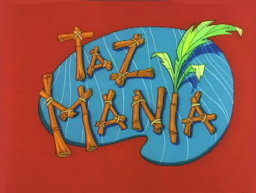

Premise and characters
The series places the whirlwind figure of the Tasmanian Devil in a domestic and community setting. Episodes typically follow his attempts to find food, cope with family life and interact with eccentric island residents. While the character retains his trademark spinning tornado, frantic energy and mostly unintelligible vocalizations, the show surrounds him with a recurring ensemble of relatives and neighbors who provide situation comedy and longer-form storytelling than the original theatrical shorts.
Format and production
Taz-Mania was produced for children's television and follows the early 1990s animated sitcom model. Episodes frequently include multiple short segments, allowing a mix of slapstick gags and simple moral or humorous resolutions. The animation and timing reflect television production practices of the period, with hand-drawn character animation, bright color palettes and sound design intended to augment physical comedy.
Themes and tone
The show balances broad physical comedy with gentle family-oriented themes. Recurring elements include the contrast between wild instincts and attempts at domesticity, appetite-driven plots, and playful parodies of popular culture and media genres. Although aimed at younger viewers, the series often used layered jokes and sight gags that appealed to older children and families.
Reception, merchandise and legacy
Taz-Mania introduced the Tasmanian Devil to a new generation and demonstrated how a short-form cartoon character could be adapted into a television lead. During the 1990s the series inspired tie-in merchandise such as toys, home-video releases and licensed products, and it remains a recognizable entry in the era's landscape of American animated programming. It is often cited as an example of expanding a classic Looney Tunes personality into serialized television storytelling.
- Adapted a classic Looney Tunes character for a sitcom-style children's series.
- Typical episode format featured multiple short segments and fast-paced gags.
- Contributed to 1990s merchandise and home media for established cartoon properties.
Related articles
Author
AlegsaOnline.com Taz-Mania (animated television series) Leandro Alegsa
URL: https://en.alegsaonline.com/art/96612