
Taxicab stand (taxi rank)
A designated curbside or lot area where taxis queue to wait for and pick up passengers; includes typical layouts, operating rules, history, and variations by region.
Overview
A taxicab stand, commonly called a taxi rank or cab stand, is a designated place where licensed taxis line up to await passengers. Stands are typically found at transport hubs, commercial districts, hotels, airports, train stations and other locations with predictable demand. The purpose of a stand is to organize taxi service, provide a visible pickup point for passengers and reduce cruising time for drivers.
Image gallery
5 Images


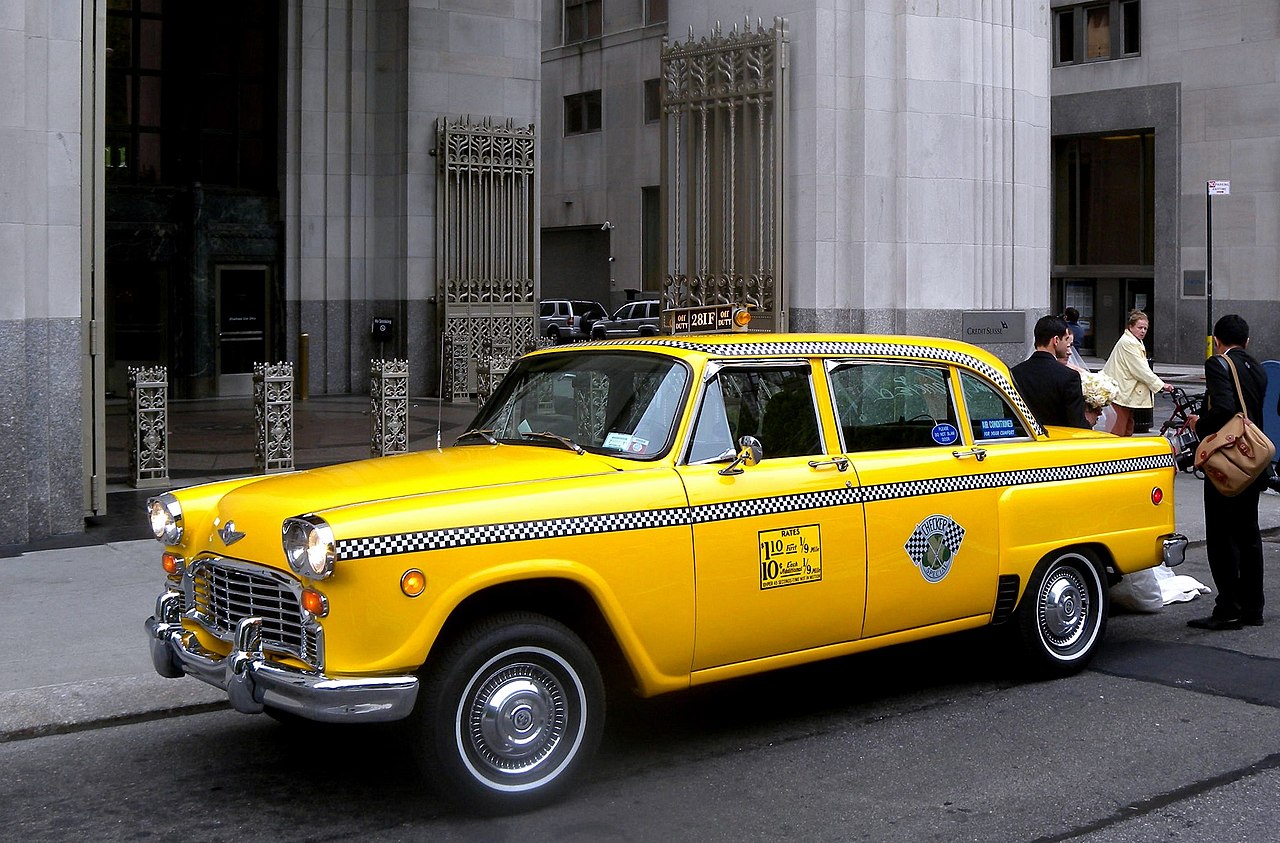

Characteristics and layout
Stands may be marked by signs, painted curb markings, lighting or parking meters and are sometimes located on public curbside space or on private property managed by an operator. Typical features include:
- Queueing area along a curb or within a small lot where cabs form a first-in, first-out line.
- Signage indicating "Taxi Stand", permitted vehicle types, hours of operation and any local restrictions.
- Clear walking access for passengers and often a sheltered waiting area in busy locations.
Operation and rules
Local authorities or taxi regulators generally set the rules for how stands operate. Common rules require taxis to join the rear of the queue, serve passengers in order, and vacate the stand when directed by a traffic officer. Some stands are reserved for prearranged or licensed vehicles only, and enforcement can be handled by parking control, police or private security. When demand is high, additional taxis may be called to nearby ranks or directed to staging areas.
History and development
Organized taxi ranks emerged in cities as motorized taxi fleets grew and urban planners sought to manage curb space and passenger flows. Over time stands have adapted to changing travel patterns: many modern stands at airports and rail terminals are integrated with passenger information systems and queuing management, while others remain simple curbside lines that rely on local knowledge.
Uses, examples and notable variations
Taxi stands serve both passengers and drivers by concentrating pickups in predictable places. Variations include metered stands, taxi marshals who manage busy queues, and virtual or app-based queuing where drivers are summoned to a specific stand. For legal definitions and local regulations, consult municipal transport authorities or the signage at the stand itself via official guidance.
Distinctions and practical tips
Not all curbside taxi waits are formal stands; informal waiting or cruising for fares is treated differently under many laws. Passengers should look for marked signs or ask nearby staff for the official rank. Drivers should follow posted rules to avoid fines and to ensure efficient service for riders.

Related articles
Author
AlegsaOnline.com Taxicab stand (taxi rank) Leandro Alegsa
URL: https://en.alegsaonline.com/art/96580