
Tacna, Peru — city profile, history and significance
Tacna is a city in southern Peru and the capital of the Tacna Region. Known for its border location, historical role in the War of the Pacific, arid climate and regional commerce, it blends history, trade and Andean culture.
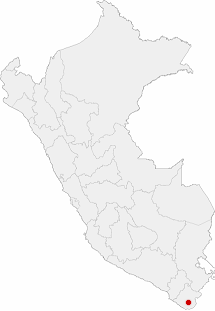
Tacna is a city in southern Peru that serves as the administrative center of the Tacna Region. It occupies a strategic position near the Pacific coast and close to the border with Chile, making it an important hub for regional trade, transport and cross‑border exchange. The city functions as a service center for surrounding agricultural and mining districts and is noted for its civic traditions.

Image gallery
9 Images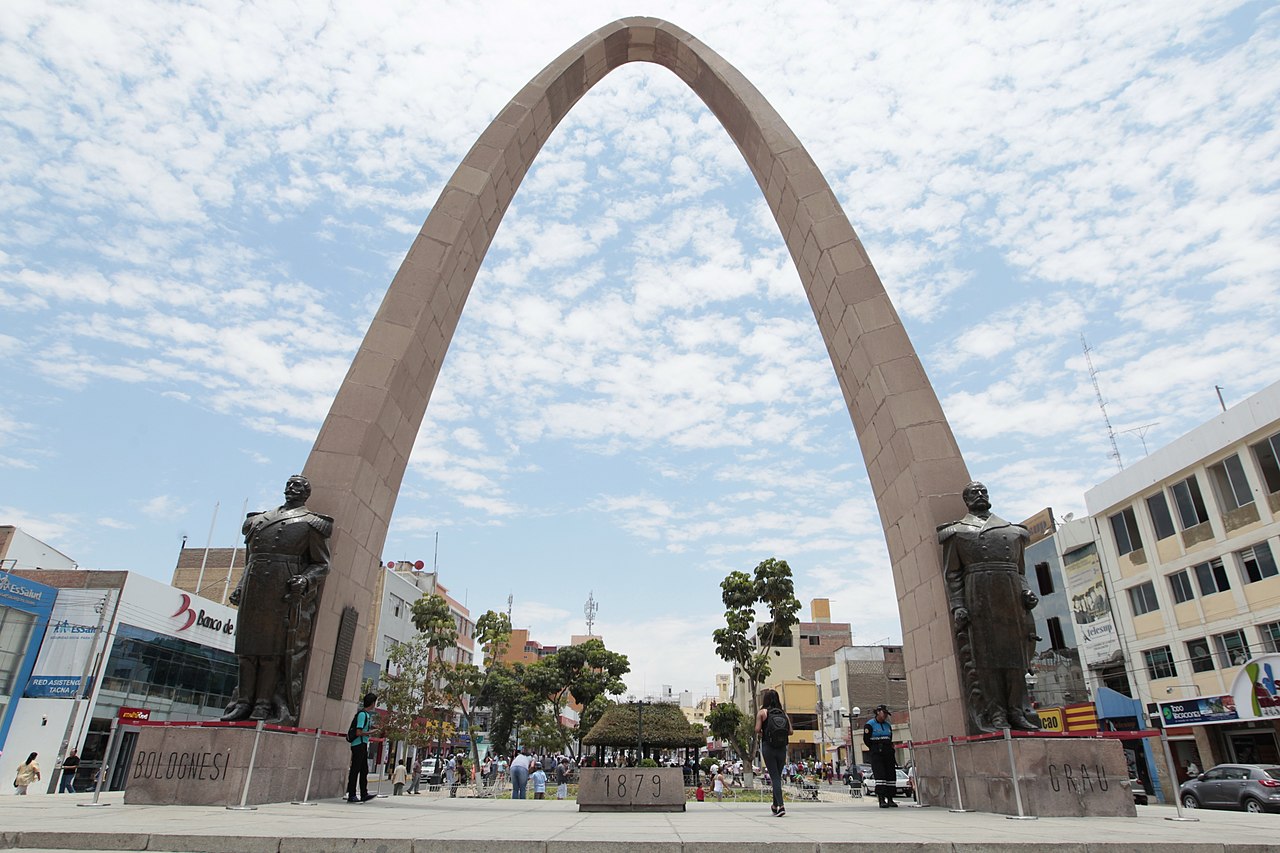


Overview and character
Tacna has an urban core with a traditional Plaza de Armas, public monuments and municipal institutions. The climate is generally arid and sunny, which influences local agriculture and lifestyle. Commercial streets, markets and public squares reflect a mix of Andean and coastal cultural influences, and the city is often a staging point for visitors exploring southern Peru.
History and political significance
Tacna played a prominent role in the aftermath of the War of the Pacific (late 19th century). For several decades the city was under foreign administration before being returned to Peruvian sovereignty by international agreement in the early 20th century. That history has left a strong sense of local identity and civic commemoration, visible in museums and monuments dedicated to the period.

Economy, geography and attractions
The surrounding region produces crops adapted to arid conditions, and local commerce benefits from cross‑border shoppers and transport corridors. Nearby natural and historical attractions include archaeological sites, thermal springs and desert landscapes. Visitors commonly find museums, war memorials and public festivals that highlight regional history and traditions.
Notable facts and distinctions
- Capital of its region and an administrative, commercial and cultural center for southern Peru.
- Remembered for its historical experience during international treaty negotiations following the War of the Pacific.
- A practical gateway for travel between Peru and neighboring countries, with active border commerce and transport links.
Tacna's blend of history, trade and arid coastal‑Andean environment makes it a distinctive Peruvian city with both local traditions and regional importance.
Related articles
Author
AlegsaOnline.com Tacna, Peru — city profile, history and significance Leandro Alegsa
URL: https://en.alegsaonline.com/art/95838