
Sylvia Bretschneider (1960–2019)
German Social Democratic politician who led the Landtag of Mecklenburg-Vorpommern as its president from 2002 until her death; long-serving regional legislator and public figure.
Sylvia Bretschneider was a German politician and member of the Social Democratic Party (SPD) who played a visible role in the politics of the state of Mecklenburg-Vorpommern. Born on 14 November 1960 in Waren (Müritz), she entered regional parliamentary life in the mid-1990s and rose to national notice within her state's political institutions. Her public career combined long-term legislative service with a prominent leadership position.
Image gallery
1 Image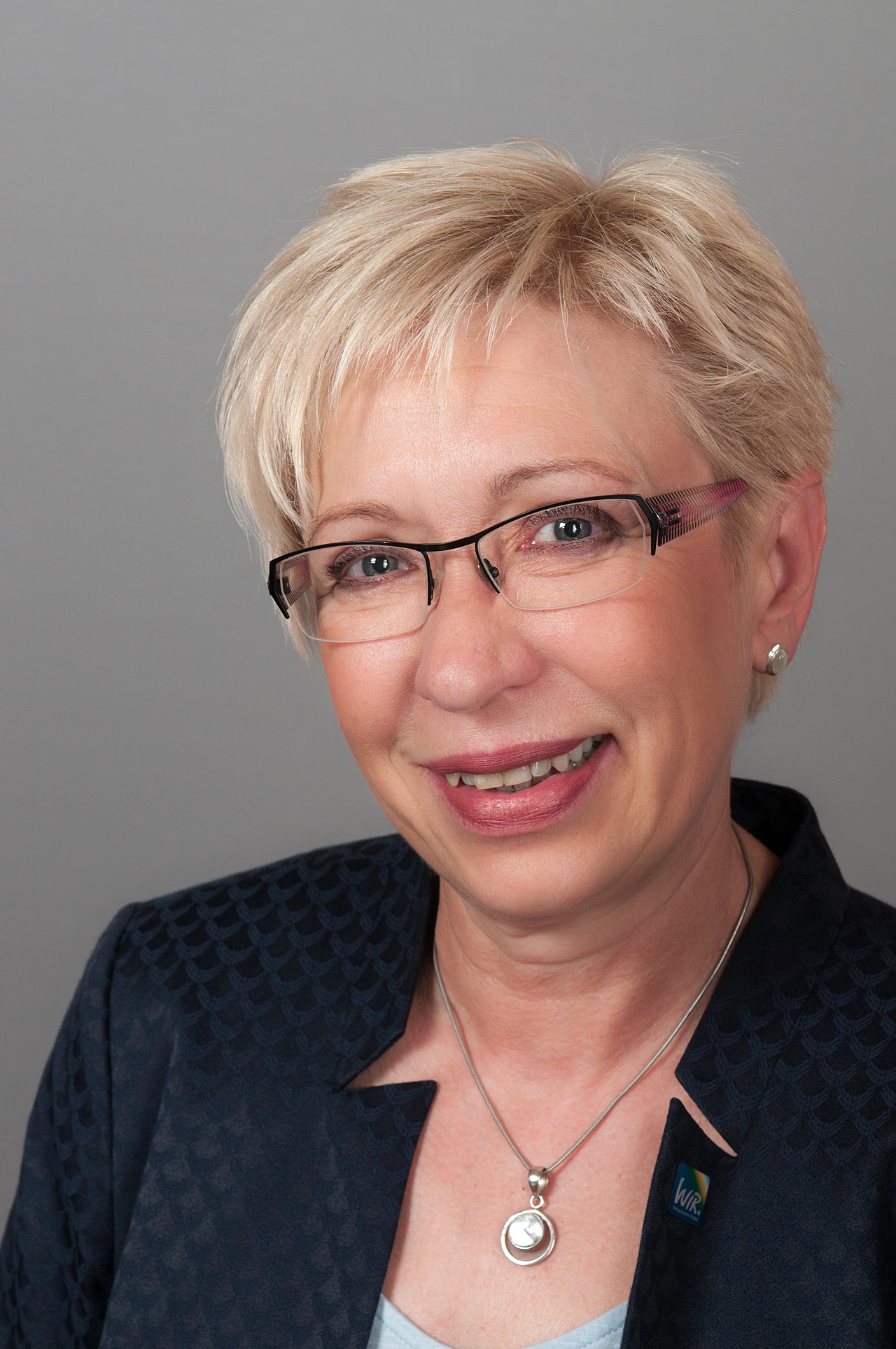
Political career
Bretschneider became a member of the Landtag of Mecklenburg-Vorpommern in 1994 and maintained a seat through subsequent terms. In 2002 she was elected by fellow deputies to serve as the president (speaker) of the state's assembly, a role she continued to hold until her death in 2019. As a legislator and then as speaker, she presided over parliamentary debates, represented the Landtag externally and worked to uphold procedural order. Her tenure spanned periods of political change in the state and she was regarded as a stabilizing figure in the chamber.
Role and responsibilities
The office of the Landtag president combines administrative, representative and moderating duties. In that capacity Bretschneider chaired plenary sessions, organised legislative business and served as a public face of the assembly. She also took part in formal functions and liaised with political groups across the chamber. Colleagues frequently underscore that long-serving speakers influence parliamentary culture even beyond specific legislative achievements.
Personal life and death
Bretschneider was born in Waren (Müritz) and lived in Mecklenburg-Vorpommern for most of her life. She was married and had three children. In April 2019 she died while still in office; reports state she succumbed to cancer in Neubrandenburg on 28 April 2019 at the age of 58. Local and regional media covered her passing and public figures from different parties paid tribute to her long service.
Legacy and significance
Her career is often cited as an example of sustained regional public service within Germany's federal system. Observers note several points of interest:
- Length of legislative service that bridged the 1990s and 2010s.
- Leadership role as president of the state assembly, shaping procedures and public representation.
- Membership in the SPD, contributing to her party's presence in regional politics.
For readers seeking further context on the Landtag and regional politics in Germany, introductory resources can be found via regional parliamentary pages and party publications; for regional biographical details see local archives and contemporaneous press reporting from Mecklenburg-Vorpommern, including coverage in towns such as Neubrandenburg where she died and her birthplace of Waren (Müritz). Additional background is available through general materials on German state parliaments and the role of parliamentary presidents (procedural outlines, health and public service considerations).
Related articles
Author
AlegsaOnline.com Sylvia Bretschneider (1960–2019) Leandro Alegsa
URL: https://en.alegsaonline.com/art/95615
Sources
- commons.wikimedia.org : Sylvia Bretschneider
- nordkurier.de : "Sylvia Bretschneider ist tot"