
Swing music
American jazz style of the 1930s–40s marked by big bands, a distinctive rhythmic 'swing' feel, dance culture (Lindy Hop), and enduring influence on jazz and popular music.
Overview
Swing is a form of popular jazz that emerged in the United States and became the dominant popular music of the 1930s and early 1940s. It is best known for its rhythmic drive, pronounced sense of groove often called the "swing feel," and arrangements written for larger ensembles known as big bands. While improvisation remained important, much of the music was arranged for clear sectional interplay and danceability.
Image gallery
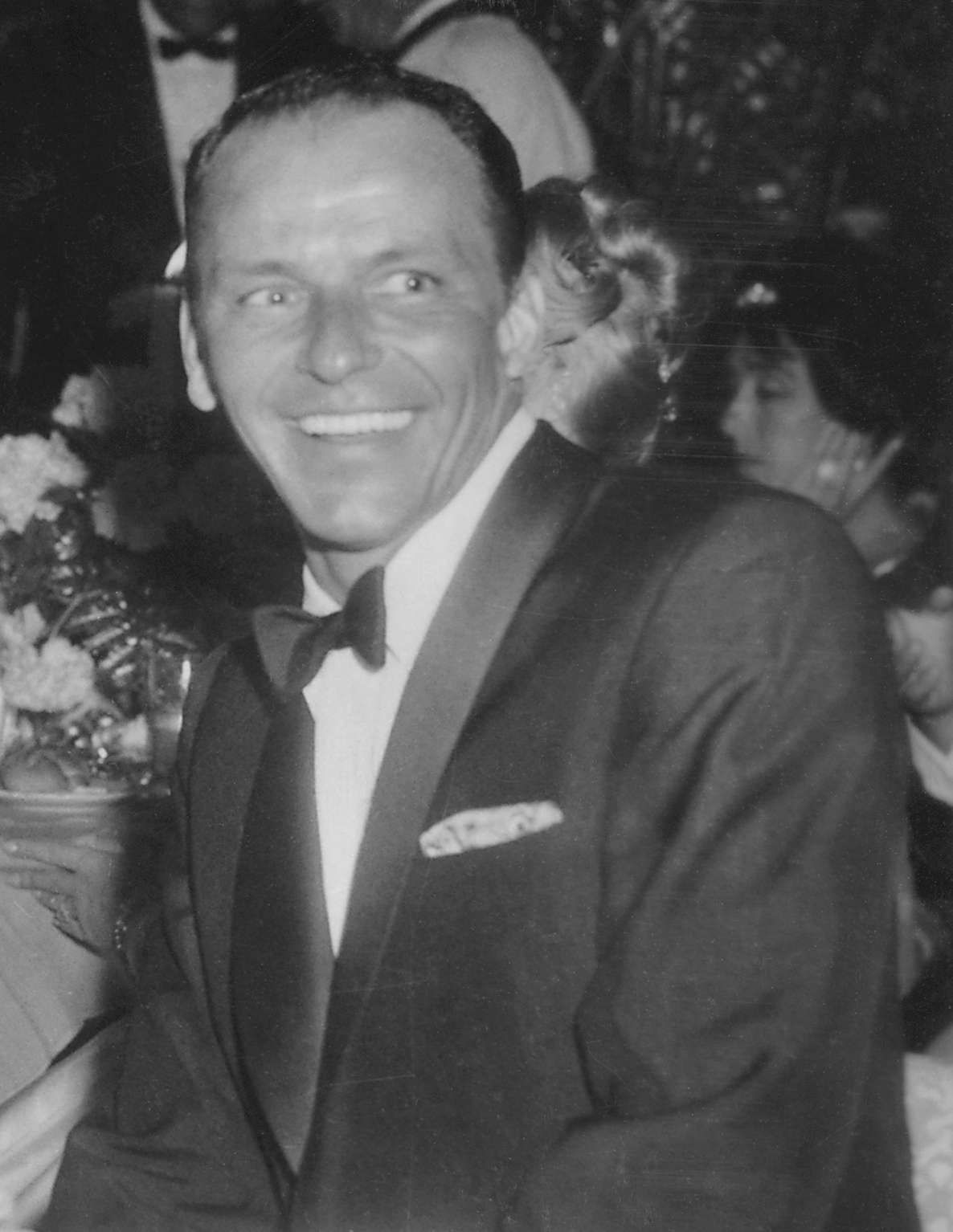
4 Images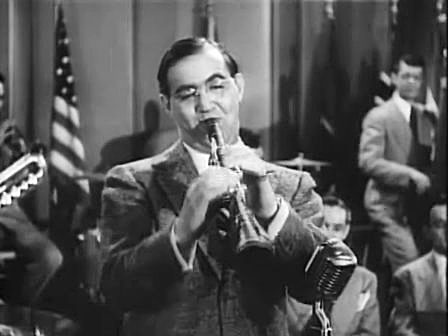

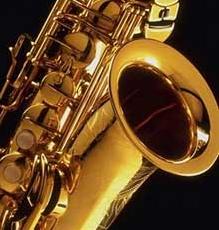
Characteristics
Typical features include a steady four-beat pulse with emphasis on the off‑beat, a walking bass line, syncopated horn riffs, and a rhythm section of piano, guitar, bass, and drums. Ensembles were usually divided into sections—saxophones (reeds), trombones, and trumpets—plus a rhythm section. Tunes often mixed written ensemble passages with solo improvisations and call‑and‑response figures between sections.
History and development
Swing grew out of earlier New Orleans, ragtime, and dance-band traditions and developed in urban centers such as New York, Chicago and Kansas City. During the 1930s it became a nationwide phenomenon through radio broadcasts, records and live dance halls. Band leaders and arrangers expanded orchestration and charted arrangements that balanced ensemble precision with solo space.
Uses, examples and cultural impact
Swing was primarily dance music—Lindy Hop and other partner dances were closely associated with it—but it also provided entertainment in films, on radio and for wartime morale. The style influenced later jazz developments (including small‑group bebop) and elements of popular music and rhythm-and-blues. Interest in swing has resurged periodically, notably in mid‑20th century revivals and the late 20th century.
Notable features and legacy
- Common instruments: trumpet, trombone, saxophone, piano, guitar, double bass, drums.
- Ensemble types: large "big bands" and smaller swinging combos.
- Notable legacies: arranging techniques, dance culture, and a bridge between early jazz and later modern styles.
Swing remains a central chapter in the history of American music: its rhythms, repertoire and performance practices continue to be studied, performed and danced around the world.
Related articles
Author
AlegsaOnline.com Swing music Leandro Alegsa
URL: https://en.alegsaonline.com/art/95530