
Symphonie fantastique — Hector Berlioz's programmatic masterwork
Symphonie fantastique (1830) by Hector Berlioz is a five‑movement program symphony depicting an artist’s obsession; noted for its idée fixe, imaginative orchestration, dramatic program and lasting influence on Romantic music.
Overview
Episode de la Vie d’un Artiste, commonly known as Symphonie fantastique, is a programmatic symphony by the French composer Hector Berlioz. Completed in 1830, the work is among the most celebrated pieces of the early Romantic era. Berlioz supplied a descriptive scenario for the score, and the music traces a dramatic sequence of episodes that depict passion, jealousy, hallucination and despair. The title’s term fantastique conveys the hallucinatory, imaginative character of the narrative rather than the modern colloquial sense of the English word "fantastic."
Image gallery
5 Images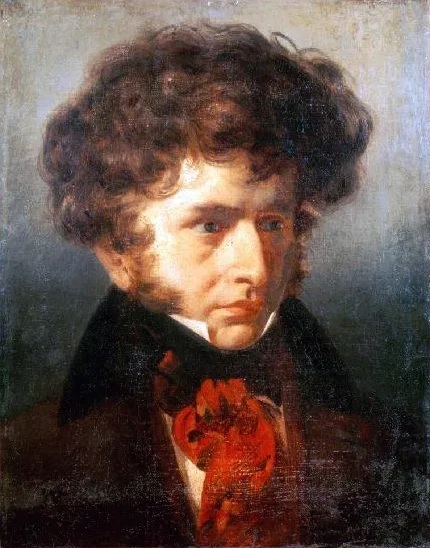

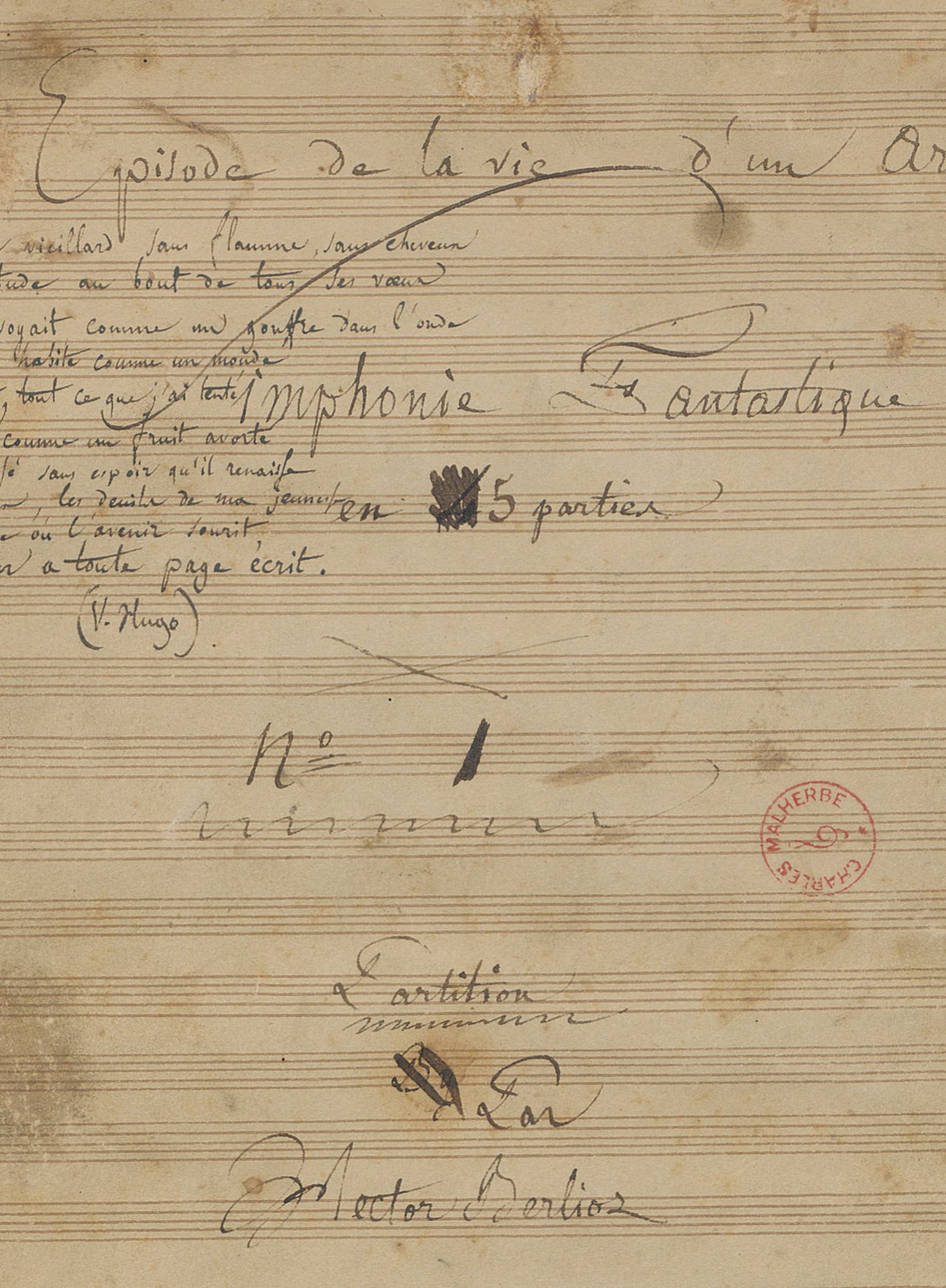

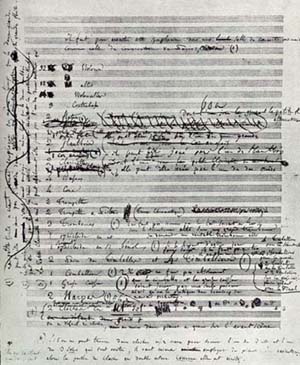
Program and narrative
The symphony follows a program about a young artist who becomes enthralled by an idealized beloved, descends into troubled obsession, and experiences dreams and nightmares under the influence of opium. Berlioz labels the work an "episode" in the artist’s life and describes scenes that range from intimate reverie to a grotesque witches’ sabbath. Central to the program is a recurring theme, the idée fixe, which represents the beloved and returns in altered guises as the artist’s state of mind changes. The use of a transformed recurring theme links the work to later concepts of thematic transformation and to what Richard Wagner would later systematize as the Wagneric leitmotif in dramatic music.
Structure and movements
- 1. Rêveries – Passions: an introduction to the artist’s ardent feelings and the first appearance of the idée fixe.
- 2. Un bal: a glittering waltz in which the beloved’s theme reappears amid ballroom textures.
- 3. Scène aux champs: a pastoral movement offering calm and distance punctured by unease.
- 4. Marche au supplice: a grim march leading to the artist’s imagined execution.
- 5. Songe d'une nuit du sabbat: a nightmarish finale in which the idée fixe becomes a grotesque caricature amid supernatural sounds.
Orchestration and musical techniques
Berlioz scored the work for a considerably large and flexible orchestra for his time, expanding wind and brass sections and calling for offstage forces and special coloristic effects to heighten the drama. He employed instruments and combinations that were unusual in symphonic scores of the period, used distinctive timbral contrasts and occasional theatrical gestures to suggest distance, crowd scenes and the uncanny. Historically noted features include a variety of wind colors, novel brass writing and the use of percussion and bell effects to depict supernatural or ritual moments.
Composition, premiere and revisions
Berlioz completed the first version in 1830 and conducted the premiere at the Paris Conservatoire in December of that year. The work provoked strong reactions: some listeners admired its originality and orchestral imagination, while others were shocked by its extremes of expression and programmatic boldness. Berlioz continued to revise the score over the following years, producing revised versions in the early 1830s and again later in the 1840s to refine balances, orchestral detail and performance instructions.
Reception, influence and legacy
Over time Berlioz’s Symphonie fantastique became emblematic of Romantic program music and a touchstone for later composers interested in narrative and coloristic orchestration. Its imaginative approach influenced orchestrators and composers who sought to extend the expressive resources of the concert orchestra and to unify multi‑movement works through recurring thematic ideas. The work remains a staple of concert programming and scholarship, studied for its innovative combination of narrative, structure and orchestral technique. Readers seeking deeper analysis should consult scholarly editions and critical commentaries for detailed discussions of sources, versions and performance practice.
Performance and study
The symphony is commonly programmed in full-length concerts and has many recordings and scholarly editions. Performers and conductors must balance the dramatic narrative with orchestral transparency, paying careful attention to the shifting roles of the idée fixe and to the spatial and color effects that Berlioz intended. As both a dramatic portrait and a technical milestone, Symphonie fantastique continues to illustrate how programmatic ambition and orchestral innovation can combine to produce a lasting musical work.
Questions and answers
Q: What is the official title of Symphonie fantastique?
A: The official title of Symphonie fantastique is Episode de la Vie d’un Artiste (An Episode in the Life of an Artist).
Q: What does "Fantasy Symphony" refer to?
A: Fantasy Symphony refers to the story that is described by the music.
Q: How long does the symphony last?
A: The symphony lasts about 45 minutes.
Q: How many movements does it have?
A: The symphony has 5 movements.
Q: What did Berlioz himself write down for his work?
A: Berlioz wrote down the story that the music describes, just as Beethoven had done with his Sixth Symphony.
Q: What is an idée fixe in musical terms?
A: An idée fixe is a tune which is always used to describe a particular person or thing in a piece of music and what Wagner would have called a leitmotif.
Q: When was Symphonie fantastique first performed?
A:The first performance of Symphonie fantastique took place at the Paris Conservatoire in December 1830.
Related articles
Author
AlegsaOnline.com Symphonie fantastique — Hector Berlioz's programmatic masterwork Leandro Alegsa
URL: https://en.alegsaonline.com/art/95636