
Battle of Palmito Ranch — the final land engagement of the American Civil War
A concise account of the Battle of Palmito Ranch (May 12–13, 1865), its setting near Brownsville, Texas, commanders, outcome, and why it is regarded as the last land action linked to the American Civil War.
Overview
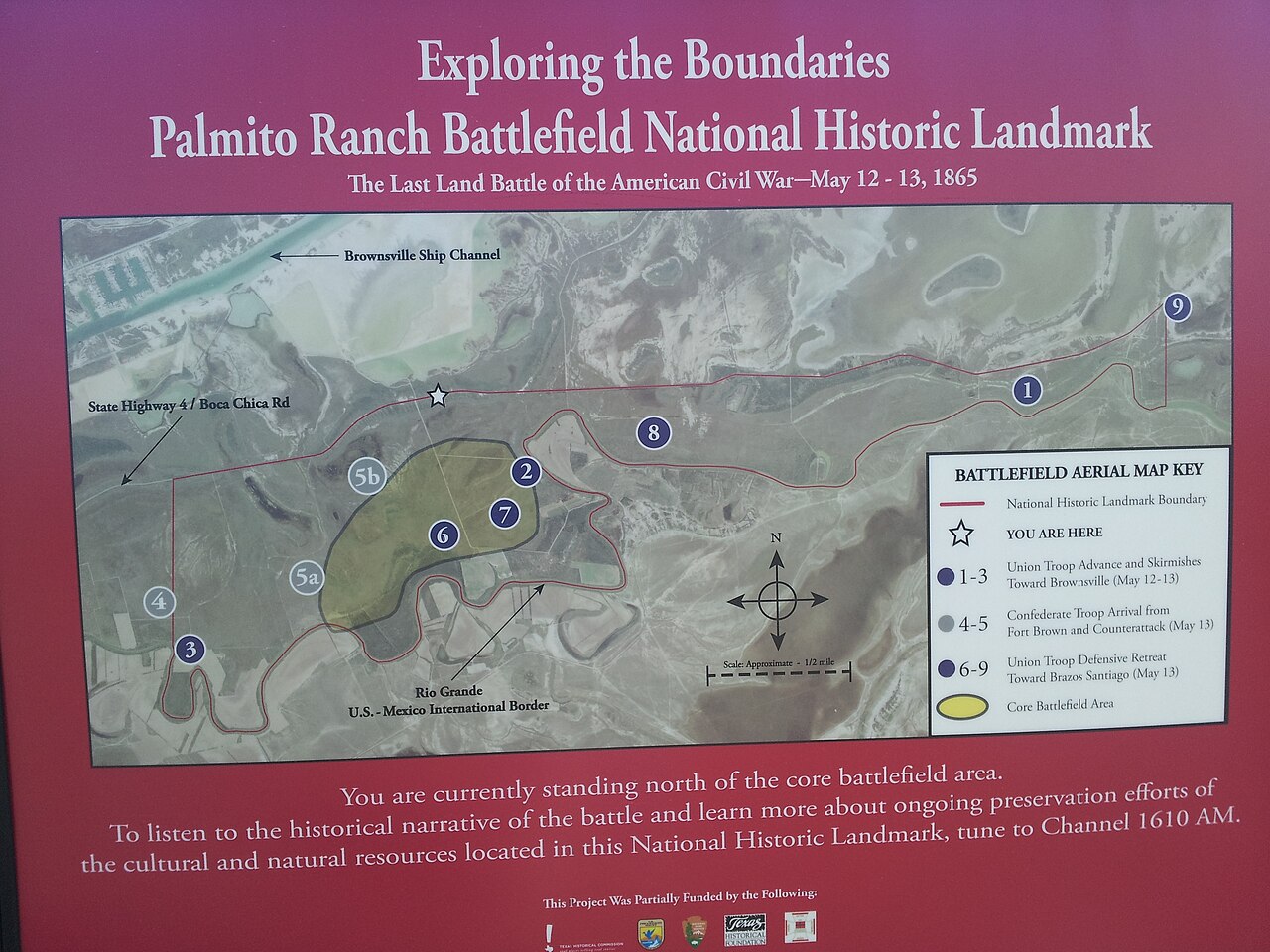
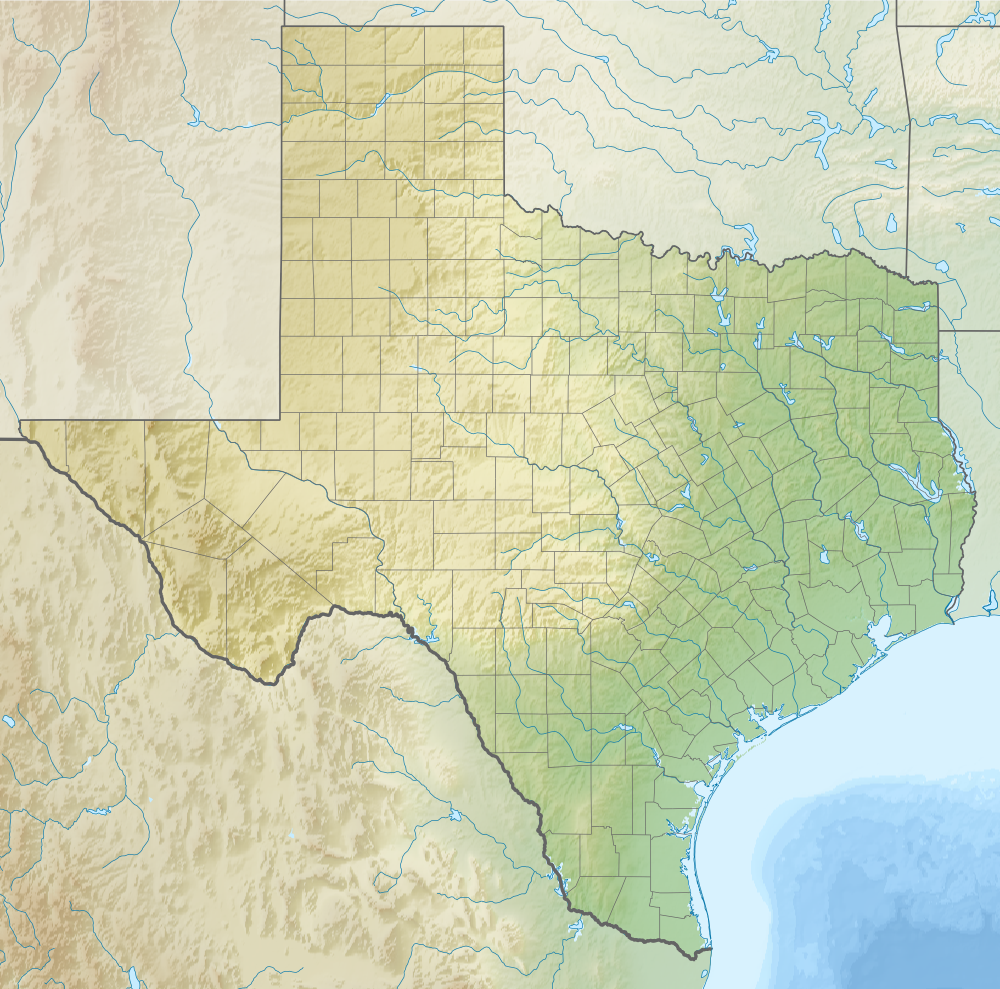
The Battle of Palmito Ranch took place on May 12–13, 1865, near Brownsville in southern Texas. Fought more than a month after General Robert E. Lee's surrender at Appomattox Court House, it is widely regarded as the last significant land engagement associated with the American Civil War. Though small in scale compared with earlier battles, its timing and circumstances make it notable in Civil War histories.
Image gallery
10 Images





Setting and context
News of Confederate surrenders traveled slowly to remote parts of the Trans-Mississippi region. Texas remained a Confederate foothold into spring 1865, and Union forces in the Gulf sought to enforce blockade lines, secure trade routes on the Rio Grande and seize cotton stocks. Local commanders on both sides still maintained forces in the area when the clash occurred.
Forces and battle
The opposing forces were composed largely of cavalry and dismounted troops operating from small detachments and ranches, rather than large field armies. Confederate units in the region were commanded by local leaders. Union detachments made a raid aimed at cutting off Confederate supplies and capturing material. Skirmishing on May 12 escalated into a brief engagement on May 13, after which Confederate defenders repelled the attack and held the field.
Outcome and casualties
The encounter ended with a Confederate tactical success: Union troops withdrew, and the Confederates retained control of the immediate area. Casualties and captures were modest compared with major Civil War battles, but the action produced prisoners and local losses that reinforced the sense of a belated and fragmented end to hostilities in the region.
Aftermath and significance
Although not decisive strategically, the battle is symbolically important because of its timing. It highlights how communications delays and local conditions prolonged armed conflict after the main Confederate armies had surrendered. The Trans-Mississippi Confederate command did not formally capitulate until weeks later, and Palmito Ranch is often cited as the final land action tied to the Confederacy.
Notable facts
- Fought 5 weeks after Appomattox, it occurred amid unclear information about surrender and orders.
- Engagement involved mounted troops, local militia and frontier units rather than large corps.
- Its designation as the "last" battle is conventional and emphasizes chronology more than scale.
Tags
Related articles
Author
AlegsaOnline.com Battle of Palmito Ranch — the final land engagement of the American Civil War Leandro Alegsa
URL: https://en.alegsaonline.com/art/9527