
Su Yu-chang (1940–2019)
Taiwanese-born martial artist, scholar and physician who taught traditional Chinese martial arts, philosophy and medicine internationally and influenced many students worldwide.
Overview
Su Yu-chang (Chinese: 蘇昱彰; 24 June 1940 – 29 April 2019) was a Taiwanese-born martial artist, scholar and practitioner of traditional Chinese medicine. He spent decades teaching kung fu, Chinese philosophy and healing practices to students around the world and is remembered for combining practical martial training with classical medical and philosophical ideas.
Image gallery
1 Image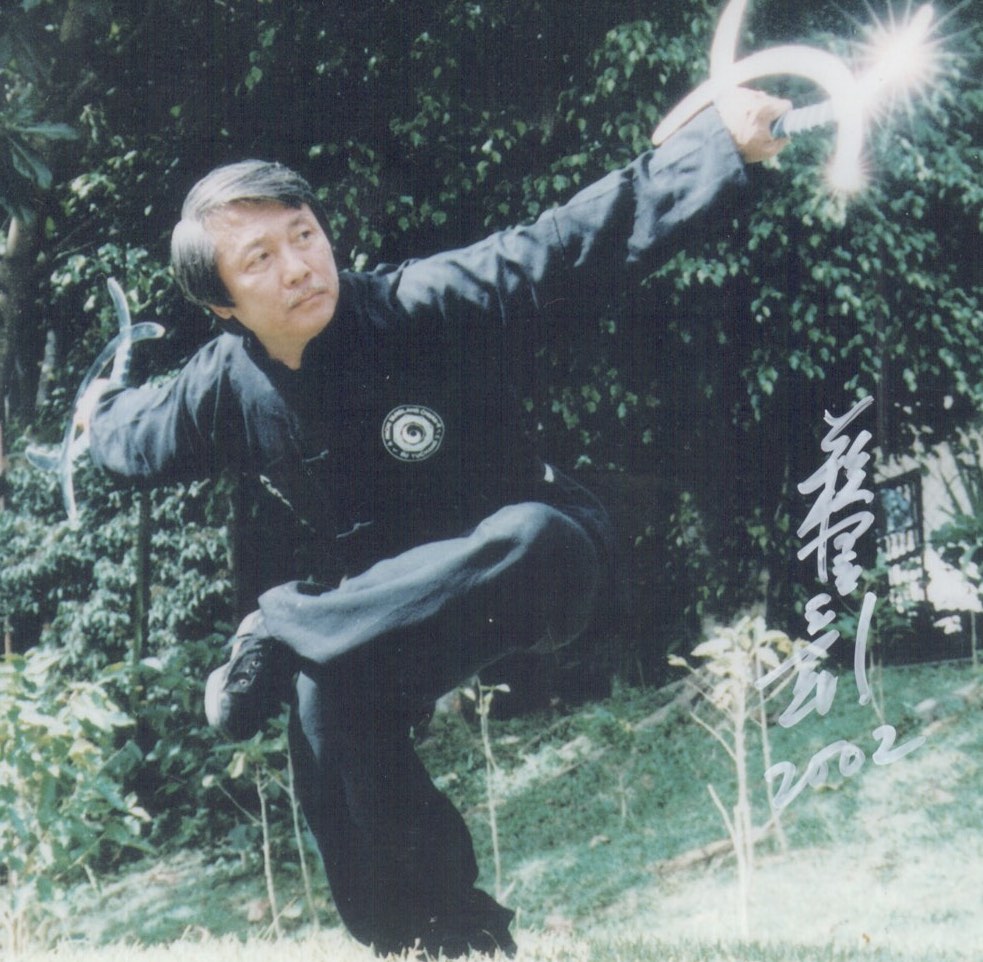
Early life and background
Su was born in Dongshan, Taiwan (Dongshan) and later traveled extensively to teach and demonstrate Chinese martial arts and related disciplines. Details of his early teachers and formal lineage vary across sources; what is widely reported is that he studied both combat and healing arts and developed a reputation as an educator who emphasized historical context and practical application.
Teachings and methods
Su's teaching integrated several interrelated elements of traditional Chinese practice. His instruction typically included:
- martial techniques and forms (commonly referenced under the umbrella term "kung fu");
- internal training such as breath work and qigong exercises to cultivate vitality;
- foundational ideas from Chinese philosophy that inform movement, strategy and ethical conduct;
- principles of traditional Chinese medicine, including basic theory of yin–yang and the five phases as they relate to health and training.
He was known for giving seminars, demonstrations and formal classes, aiming to make classical material accessible to contemporary students.
Career and influence
Across several decades Su taught in Asia, Europe and the Americas, establishing training groups and visiting schools. His approach sought to bridge practical self-defense, health maintenance and scholarly understanding of classical texts. Students and peers have noted his role in promoting a holistic view of martial arts as both physical discipline and cultural tradition.
Death and legacy
Su Yu-chang died on 29 April 2019 at a hospital in La Palma, Canary Islands, Spain, at the age of 78. After his death, those who trained with him have continued to teach elements of his curriculum and interpretation of classical materials. His work is often cited in discussions about the relationship between martial practice and traditional Chinese healing arts.
Note: Accounts of Su's specific lineages and published outputs differ among sources; the above summarizes broadly reported aspects of his life and teaching without asserting disputed or narrowly sourced claims.
Related articles
Author
AlegsaOnline.com Su Yu-chang (1940–2019) Leandro Alegsa
URL: https://en.alegsaonline.com/art/94447
Sources
- eldiario.es : Spanish obituary