
Sturm und Drang: German literary movement of emotional revolt
Sturm und Drang was a late 18th-century German movement emphasizing emotion, individuality, rebellion against neoclassical limits, and an exaltation of nature; it anticipated Romanticism and influenced literature and music.
Sturm und Drang (literally "Storm and Stress") was a German cultural and literary tendency of the late 18th century that prized intense feeling, individual creativity, and dramatic spontaneity over the Enlightenment ideals of universal reason and neoclassical restraint. Emerging among young writers and dramatists, it favored vivid expression, moral conflict, and protagonists who rebelled against social conventions.
Image gallery
3 Images
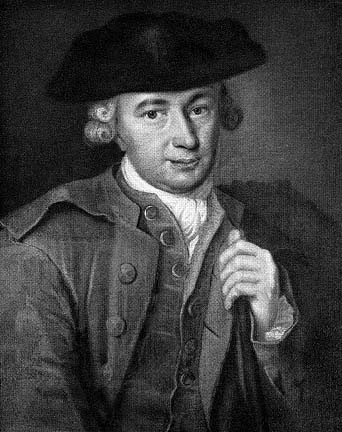

Characteristic themes and style
Works associated with Sturm und Drang emphasize strong emotion, subjective experience, and the autonomy of the individual. Common features include passionate, often violent conflicts; protagonists driven by instinct or conscience; an idealization of nature as a moral and aesthetic force; and language that breaks classical decorum in favor of forceful rhetoric and irregular forms. The movement celebrated the creative "genius" and valued authenticity over polished, didactic endings.
Origins and influences
The name derives from a play titled Sturm und Drang by Friedrich Maximilian Klinger, but the tendency developed among several writers in the 1760s and 1770s. Influences included Jean-Jacques Rousseau's emphasis on natural feeling, renewed interest in folk song and ballad traditions, and the admiration of Shakespeare for psychological depth and dramatic freedom. Sturm und Drang grew as a reaction to rigid French classicism and the perceived cold rationalism of parts of the Enlightenment.
Notable figures and works
- Johann Wolfgang von Goethe — early plays such as Götz von Berlichingen and the novel The Sorrows of Young Werther (1774) are often linked to the movement's themes.
- Friedrich Schiller — his first great play, The Robbers (1781), exemplifies rebellion and moral ambiguity.
- Jakob Michael Reinhold Lenz and Friedrich Maximilian Klinger — dramatists associated with the movement's theatrical innovations and its name.
- Johann Gottfried Herder — influential theorist who encouraged attention to folk culture and language.
Music and other arts
The term has also been applied to a certain emotional intensity in contemporary music: some late 18th-century instrumental works in minor keys and turbulent style have been described retrospectively as belonging to a "Sturm und Drang" idiom. Across the arts the tendency favored immediacy of feeling and dramatic contrast.
Legacy
Although brief, the movement prepared the ground for German Romanticism and for later tempering in Weimar Classicism. Sturm und Drang's insistence on subjectivity, nature and revolt against conventional rules left lasting traces in European literature and in debates about artistic genius, authenticity and the role of passion in human life.
Related articles
Author
AlegsaOnline.com Sturm und Drang: German literary movement of emotional revolt Leandro Alegsa
URL: https://en.alegsaonline.com/art/94409