
Stretching (body piercing): practice, methods, risks and cultural context
Stretching is the gradual widening of a healed piercing to accept larger jewelry. This article covers techniques, materials, historical context, risks, and aftercare.
Stretching is the process of increasing the diameter of an existing pierced hole in the body so it can accommodate larger jewelry. Practitioners and enthusiasts often refer to this modification simply as "stretching" or "gauging." For general information about body modification practices see relevant resources.
Image gallery
7 Images
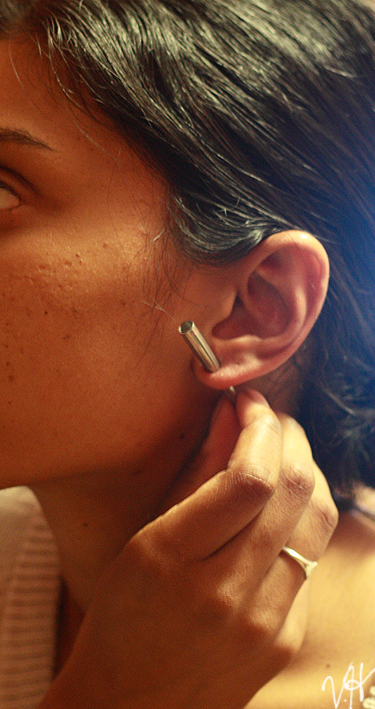




Characteristics and common locations
Stretching most frequently affects earlobes, but other sites such as the septum, nostrils, lips, nipples and healed surface piercings can also be stretched. Sizes are described in either gauge numbers or metric measurements; gauge numbers work inversely (a higher gauge means a thinner piece). Typical jewelry for stretched sites includes plugs, tunnels and flesh tunnels, made from materials like surgical steel, titanium, glass, silicone or organic materials.
Methods and progression
Safe stretching is done gradually to encourage the tissue to expand without tearing. Common approaches include using tapered tools to guide jewelry through, adding thin transfer tape around existing jewelry, and allowing time for the tissue to adapt between increases. Some people use controlled weights or larger jewelry to encourage slow stretching, but rapid or forced stretching increases the chance of injury. Professionals emphasize stretching only after the original piercing has completely healed.
History and cultural context
Body enlargement of orifices has a long history in various cultures worldwide. Ear and lip stretching, as well as lip plates and neck rings, appear in diverse traditional contexts as markers of status, identity or beauty. Contemporary stretching in modern body-mod communities often blends aesthetic preference with personal or subcultural expression rather than traditional meaning.
Risks, healing and aftercare
Possible complications include infection, migration, thinning of tissue, scar tissue (keloids or hypertrophic scars) and blowouts, where the inner tissue is forced out. Good aftercare involves keeping the area clean, using appropriate materials, avoiding rapid increases in size and seeking professional advice for complications. Reversing large stretches may be difficult and can leave permanent changes to the tissue.
Notable distinctions
Stretching is distinct from initial piercing: it alters an already healed hole and requires patience and attention. Legal and social acceptance varies by region and setting, and many practitioners recommend consulting experienced piercers and reliable sources before beginning the process.
Author
AlegsaOnline.com Stretching (body piercing): practice, methods, risks and cultural context Leandro Alegsa
URL: https://en.alegsaonline.com/art/94274