
Stargate SG-1
American science fiction television series (1997–2007) continuing the Stargate story; follows Stargate Command's SG-1 as they explore other worlds, confront alien threats, and expand a long-running franchise.
Overview
Stargate SG-1 is an American science fiction television series that continues the premise of the feature film Stargate. The program centers on a top‑secret military-scientific operation based at Stargate Command (the SGC), an underground facility that uses an ancient portal — the Stargate — to travel to other planets. The series blends military procedure, exploration, mythology, and serial storylines about alien civilizations and advanced technologies.
Image gallery
10 Images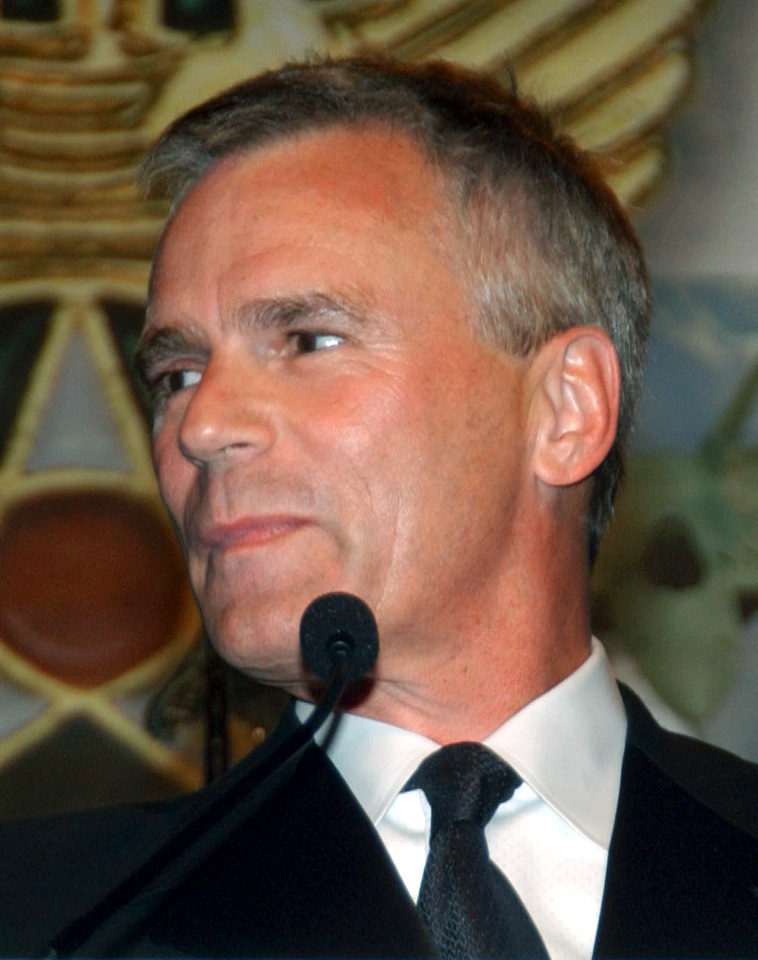




Premise and core cast
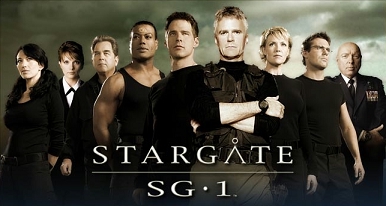
The flagship team, SG-1, begins as a four-person unit that routinely travels through the Stargate to investigate worlds, seek allies, recover technology and defend Earth. Principal members introduced early in the series include Colonel Jack O'Neill, Dr. Daniel Jackson, Major Samantha Carter, and the alien warrior Teal'c. Over the series' run, cast roles and team composition evolve, and supporting characters join or rotate into SG teams.
Series run and production
First broadcast on July 27, 1997, Stargate SG-1 ran for ten seasons and concluded on March 13, 2007 with the episode "Unending." The show originally aired on Showtime and later moved to the Sci Fi Channel. The two-hour pilot, "Children of the Gods," attracted attention for an adult scene and was rated R in some releases; it remains the only episode of the series to carry that rating. The television series was developed as a continuation and expansion of the film's universe and became a foundation for a wider franchise.
Themes, villains and worldbuilding
Stargate SG-1 mixes standalone missions with long arcs. It introduced recurring antagonists and allies that form much of the show's mythology: parasitic and godlike races, secretive organizations, and advanced machine intelligences. Notable recurring elements include the Goa'uld, powerful beings who pose as gods; technologically advanced allies; and the exploration of human origins and interstellar politics. Episodes vary from action-oriented rescues to episodes focused on diplomacy, science, or personal drama.
Legacy and related works
The show's popularity led to multiple spin-offs and extended media. Television series such as Stargate Atlantis and Stargate Universe continued to explore the franchise's concepts, and later feature-length TV movies and tie-in novels expanded its continuity. The program developed a dedicated fan community, influenced genre television with its mix of military and science fiction tropes, and helped launch the careers of its principal cast.
Notable facts and distinctions
- Stargate SG-1 is a serialized television continuation of a theatrical film rather than an original TV-only concept.
- The show ran for a decade and is one of the longer-running American sci‑fi TV series of its era.
- Production and broadcast shifted networks during its run, moving from premium cable to a specialty cable channel.
- The series is frequently cited for its ensemble cast, recurring mythological villains, and its role in building a multi-series franchise; it also remains a common point of reference in discussions of televised science fiction.
For additional background, production notes, episode guides and cast biographies, see external resources and fan archives, or consult official franchise materials represented here in related links such as official series pages and comprehensive episode lists.
Related articles
Author
AlegsaOnline.com Stargate SG-1 Leandro Alegsa
URL: https://en.alegsaonline.com/art/93472