
Spartak Tennis Club — Moscow academy that produced Russian champions
Spartak Tennis Club is a historic Moscow training centre near Sokolniki Park known for its clay courts and for producing several top Russian tennis players.
Overview
The Spartak Tennis Club is a well-known tennis training centre located close to Sokolniki Park in Moscow. Established in the Soviet era and run with a focus on junior development, the club became famous for a disciplined coaching program and clay-court training that emphasised footwork and endurance. The club maintains a mix of outdoor and indoor facilities and has served as a starting point for many players who later reached the professional tour.
Image gallery
1 Image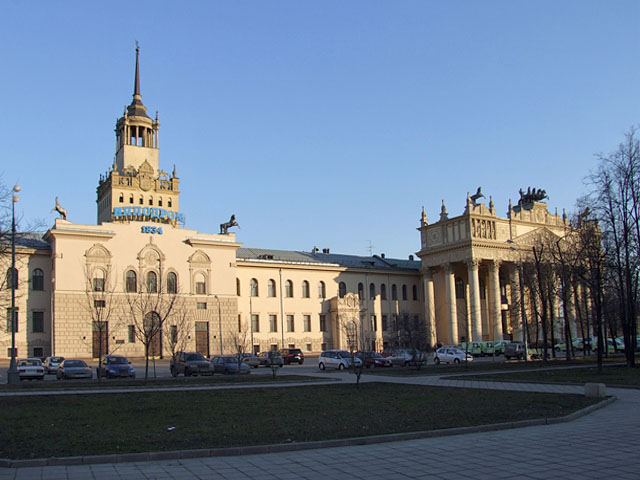
Facilities and characteristics
Spartak's complex has traditionally featured multiple outdoor clay courts and a smaller indoor hall. The outdoor clay courts number around fifteen, which makes them a substantial resource in warm months but leads to seasonal limits because those courts are unusable during severe winter weather. An indoor court allows year-round practice but cannot fully replace the volume available outdoors. The club buildings and courts are older than modern academies, and periodic renovation has been a recurring topic among local sports authorities.
History and development
Founded during a period when state-supported sports schools were common, Spartak built its reputation on producing technically sound players who were comfortable on slow surfaces. Over decades the coaching staff combined Soviet-style discipline with evolving international methods. The club's name and training tradition are linked to a larger sports society that supported multiple disciplines, and Spartak remained a visible part of Moscow's tennis culture as private academies emerged.
Notable alumni and influence
These players are among the best-known graduates, and their international success helped to raise Spartak's profile. The club continues to be credited for its role in the development pipeline that produced Grand Slam champions and top-ranked professionals from Russia.
Current role and notable facts
Today Spartak functions mainly as a regional training hub: a place where juniors receive intensive coaching and where local competitions are held. While facilities face maintenance challenges and the outdoor courts cannot be used year-round, the club's coaching traditions and alumni network remain its strongest assets. For more details on programs and visiting arrangements, see the club's information pages or local sports listings: Spartak club info.
Spartak's legacy reflects a broader story of post-Soviet sport: established public training infrastructure continuing to produce elite athletes, even as newer private academies and modern courts appear. It remains a landmark in Moscow's tennis scene and a notable example of how surface, coaching and community shape player development.
Related articles
Author
AlegsaOnline.com Spartak Tennis Club — Moscow academy that produced Russian champions Leandro Alegsa
URL: https://en.alegsaonline.com/art/92515
Sources
- sapca.org.uk : SAPCA | Latest News
- kournikova.com : Kournikova.com - The Official Site of Anna Kournikova
- nytimes.com : How to Grow a Super-Athlete - New York Times