
Somero — town and municipality in Southwest Finland
Somero is a small inland town in Southwest Finland with about 10,000 residents. Known for its rural landscape, Finnish-speaking community, and local services, it combines nature, small industry and cultural life.
Overview
Somero is a town and municipality in the region of Southwest Finland. It lies inland from the coastal cities and had a population of roughly 10,000 people in the 2010s. The municipality functions as a local centre for services, small-scale industry and agriculture within the surrounding rural area. For regional context see Somero on the regional map or general information about Finland.
Image gallery
3 Images

Characteristics
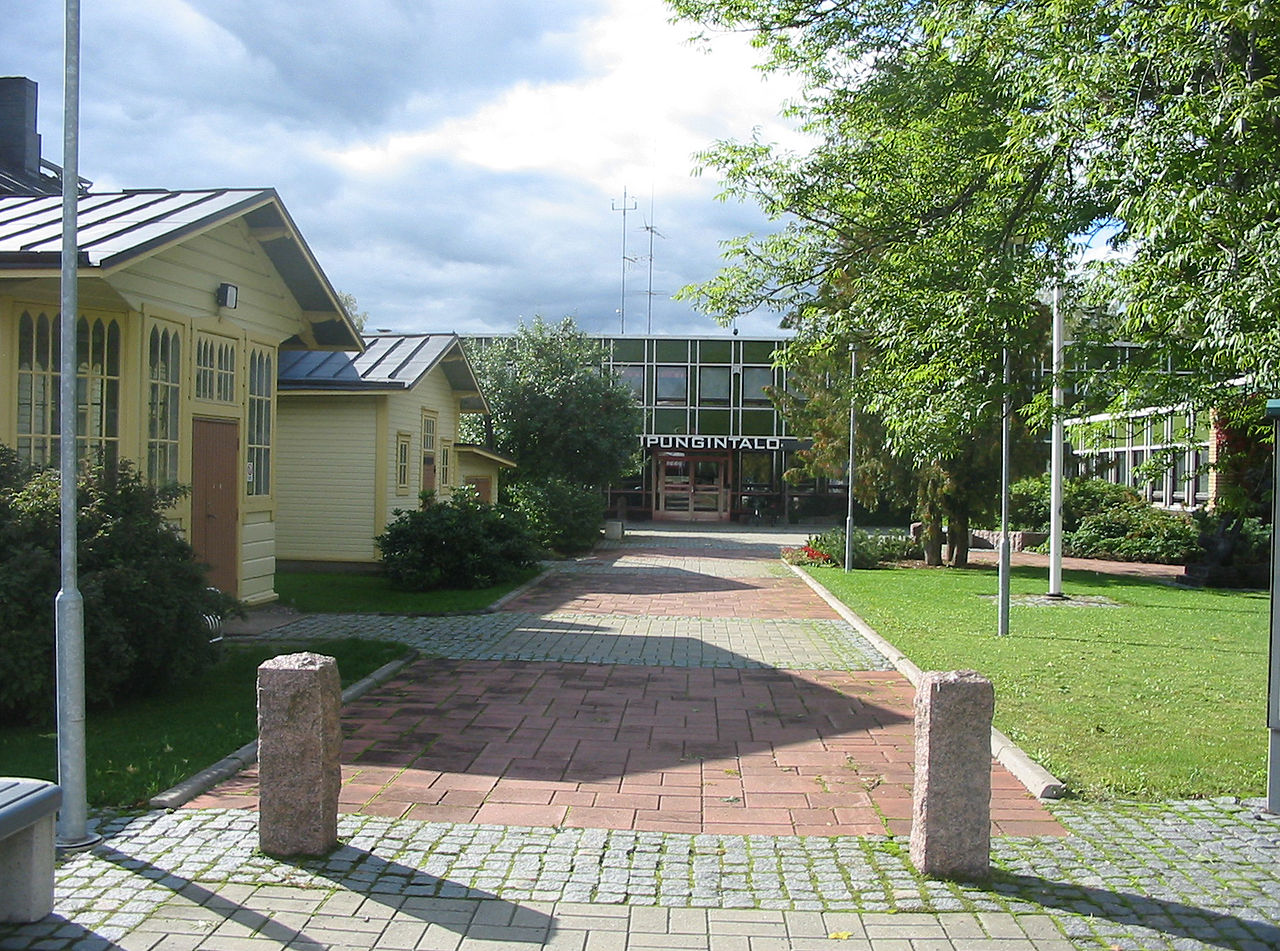
The area is characterised by mixed farmland, forests and a network of small lakes and streams that support outdoor recreation and cottage life. The majority language is Finnish, and local life reflects a predominantly rural-urban mix: municipal services and shops concentrate in the town while surrounding villages maintain farming and forestry traditions.
History and development
Somero developed historically as a parish and local market centre serving nearby villages. Over time it acquired municipal structures and modest industrial activity typical of small Finnish towns, including woodworking, food production and service businesses. Its built heritage includes parish buildings and community facilities that reflect regional architecture and local traditions.
Economy, culture and recreation
The local economy combines agriculture, forestry, small manufacturing and public services. Cultural life features community festivals, sports clubs and events that bring together residents from the town and surrounding countryside. Outdoor activities such as hiking, fishing and cross-country skiing are popular thanks to the area's forests and lakes.
Notable facts
- Somero serves as a service hub for surrounding rural communities, offering schools, healthcare and municipal administration.
- Its landscape and quiet nature make it typical of inland Southwest Finland municipalities.
- The town is an example of how small Finnish municipalities balance rural character with local industry and services.
As with many small municipalities in Finland, Somero's local identity is closely tied to its natural environment, community institutions and seasonal rhythms of work and recreation.
Related articles
Author
AlegsaOnline.com Somero — town and municipality in Southwest Finland Leandro Alegsa
URL: https://en.alegsaonline.com/art/91753