
Södermanland (Sörmland) — Swedish province south of Stockholm
Södermanland (Sörmland) is a historic province in eastern Sweden, noted for lakes, archipelago, medieval sites, manor houses and a mix of rural landscape and commuter towns near Stockholm.
Overview
Södermanland, often called Sörmland in Swedish, is one of Sweden's traditional provinces (landskap). It lies on the eastern side of the country around the lower reaches of Lake Mälaren and along the Baltic coast. The province combines agricultural plains, forests and a long coastline with many islands; its landscape and cultural identity have shaped regional life for centuries.
Image gallery
2 Images
Geography and landscape
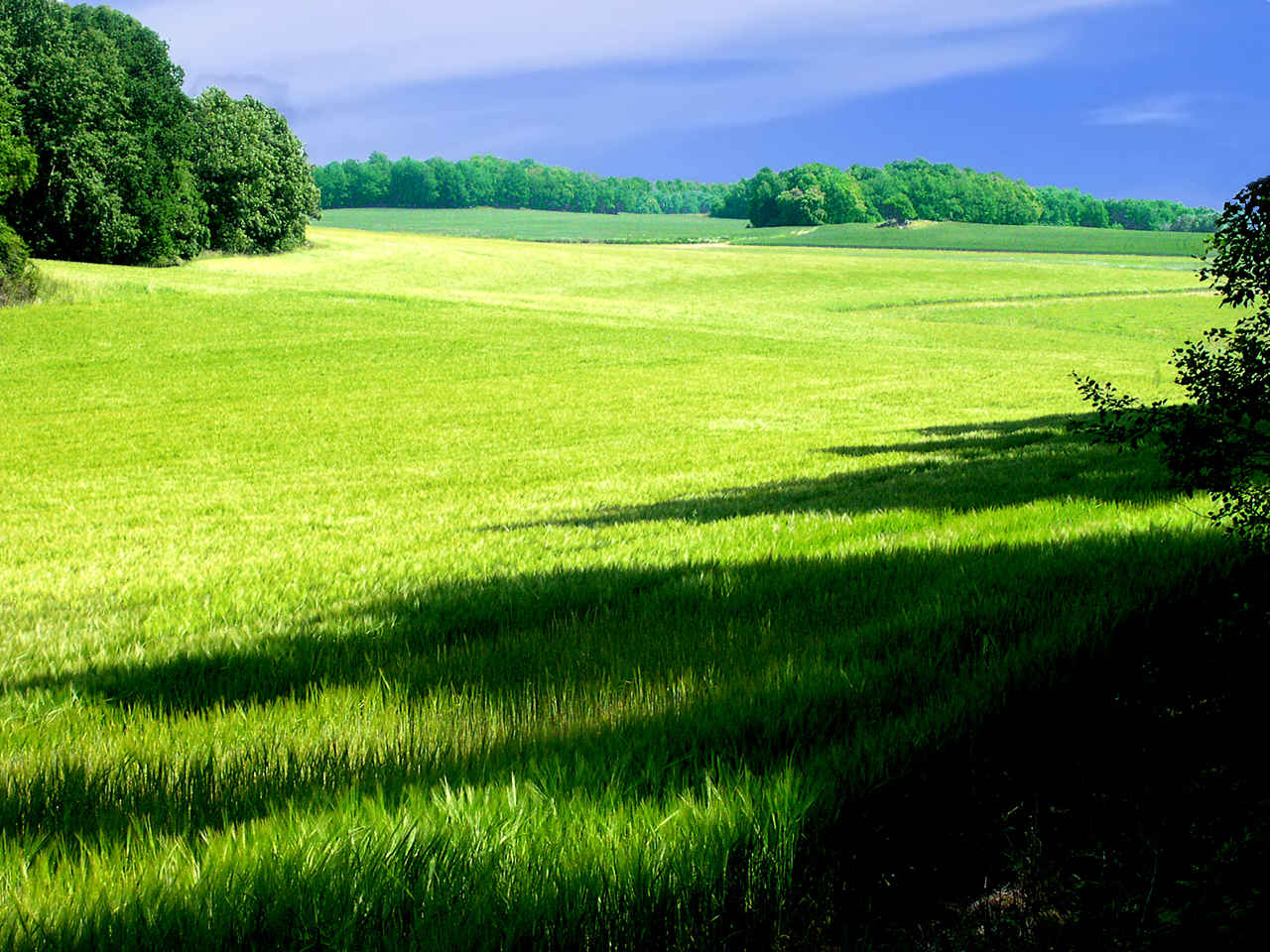
Södermanland features a varied terrain of fertile farmland, mixed woodland and an archipelago that stretches into the Baltic Sea. Numerous lakes and waterways link the interior to Mälaren and the sea, creating scenic shores and popular recreation areas. The climate is temperate, with relatively mild coastal influences compared with inland Sweden.
History and cultural heritage
The area has been inhabited since prehistoric times and played a role in the formation of the medieval Swedish kingdom. Remains from the Viking and medieval periods are common: churches, manors, runestones and castles dot the countryside. Many estates and fortifications built by Swedish nobility in the early modern era remain important cultural landmarks.
Settlements and economy
Several towns and small cities serve as local centres of commerce, industry and culture. The province includes industrial and agricultural activity, and in recent decades parts of it have become commuter territory for Stockholm, with people living in Södermanland and working in the capital. Notable urban centres include:
- Eskilstuna
- Nyköping
- Södertälje
- Katrineholm
Administration and distinctions
As with other Swedish provinces, Södermanland is a cultural and historical unit rather than a current administrative region. Modern governance is carried out by counties (län); much of the historical province overlaps with Södermanland County, while other parts of the old province fall under Stockholm County. Consequently, parts of the Stockholm metropolitan area are situated in the province's traditional territory — a relationship reflected in transport links and commuting patterns (Stockholm region).
Attractions and contemporary importance
Södermanland attracts visitors for its castles, manor houses, lakeside villages and outdoor opportunities such as hiking and boating. Local cultural events, preserved historical sites and natural reserves make it a notable part of Sweden's regional identity and a corridor between Stockholm and the more rural south.
Related articles
Author
AlegsaOnline.com Södermanland (Sörmland) — Swedish province south of Stockholm Leandro Alegsa
URL: https://en.alegsaonline.com/art/91507