
Kneževo (formerly Skender Vakuf), town in Central Bosnia
Kneževo, historically known as Skender Vakuf, is a small town and municipal centre in central Bosnia. It lies in a hilly, forested area and has a mixed cultural heritage shaped by Ottoman and Austro-Hungarian periods.
Kneževo is a small town in central Bosnia and Herzegovina that serves as the administrative centre of its surrounding municipality. The settlement is located in a predominantly hilly and forested part of the country and functions as a local hub for nearby villages. Its dual historical names reflect different eras: a Slavic-derived name meaning roughly "prince's place" and an Ottoman-era name indicating an endowment (vakuf).
Image gallery
10 Images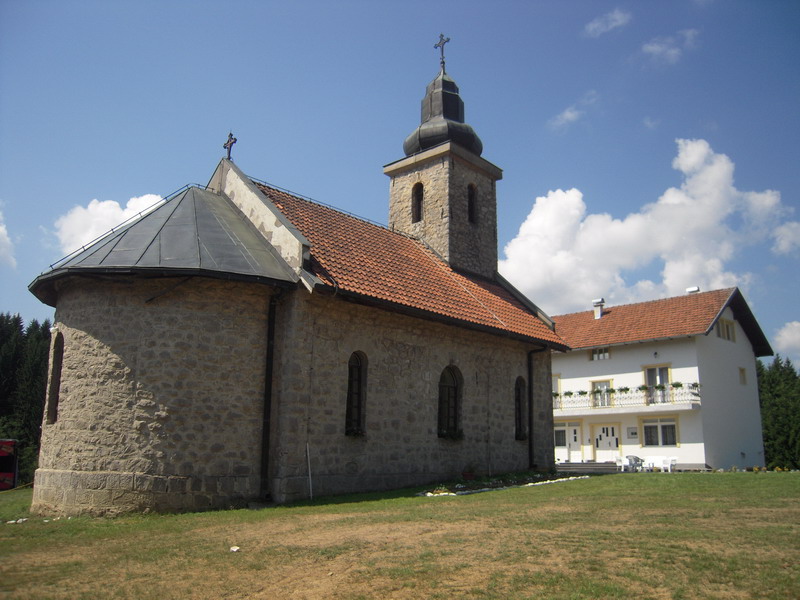


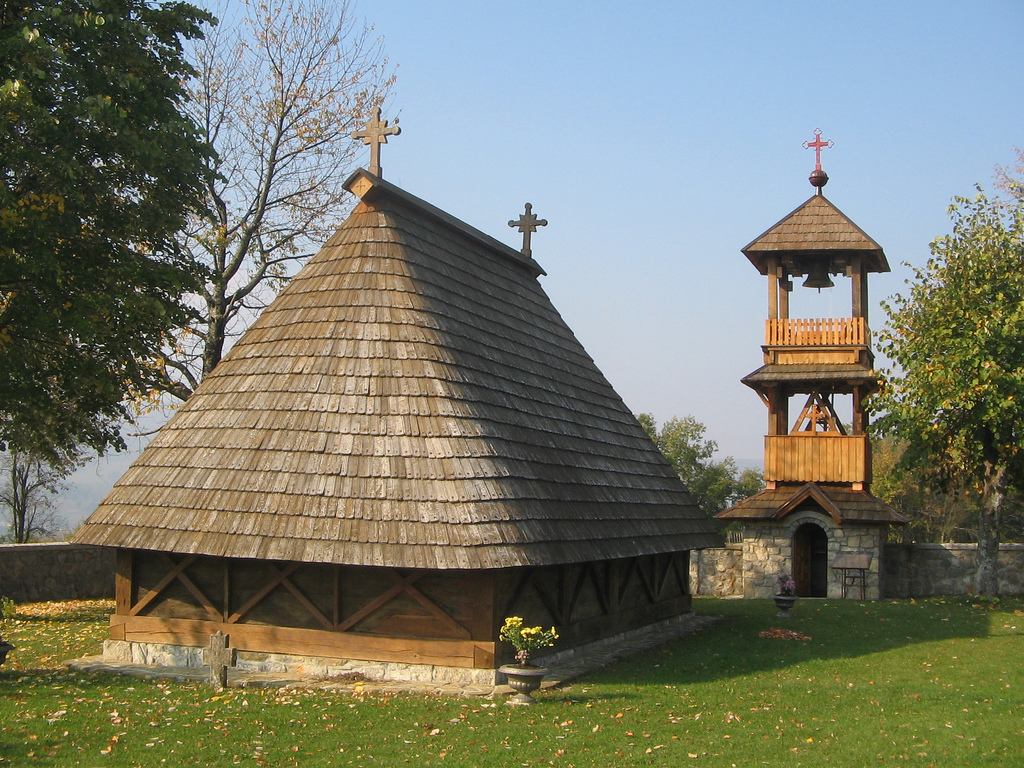

Geography and economy
The landscape around Kneževo features rolling hills, mixed woodlands and agricultural plots typical of Central Bosnia. The climate is continental with cold winters and warm summers, which supports forestry, livestock and small-scale farming. Local economic activity also includes trade, public administration and services that cater to residents of the municipality.
History and development
The town developed under Ottoman rule, when many settlements grew around vakufs (religious or charitable endowments) and local trade routes. Later administrative and infrastructural changes during the Austro-Hungarian period and the 20th century shaped its modern layout. Like much of Bosnia, Kneževo experienced administrative and demographic changes in the 1990s during the Bosnian War; these events affected population patterns and municipal boundaries.
Administration, culture and landmarks
Kneževo is the centre of a municipality composed of several villages and hamlets. The area preserves religious and cultural traces from different periods, including Ottoman-era influences and Central European architecture from later administrations. Religious buildings, memorials and community centres form important parts of local cultural life.
Local life and notable facts
- Economy: forestry, agriculture, local services and small businesses.
- Transport: regional roads connect Kneževo with larger towns in central Bosnia.
- Heritage: place names reflect both Slavic and Ottoman histories.
As a compact municipal centre, Kneževo illustrates the layered history of Central Bosnia: a rural landscape interwoven with Ottoman, Austro-Hungarian and modern Bosnian administrative influences. For concise administrative and visitor information follow local resources and municipal pages such as the one linked above.
Related articles
Author
AlegsaOnline.com Kneževo (formerly Skender Vakuf), town in Central Bosnia Leandro Alegsa
URL: https://en.alegsaonline.com/art/90900
Sources
- kartabih.com : "Karta BiH - Karta Bosne i Hercegovine"
- www2.rzs.rs.ba : "Попис становништва, домаћинстава и станова у Босни и Херцеговини 2013 на територији Републике Српске — Прелиминарни резултати"
- fzs.ba : fzs.ba