
Sheepdog — Working Dogs Trained for Herding and Stockwork
A sheepdog is a dog trained to control and move sheep and other livestock. Breeds, training, history, roles in farming and sport, and how handlers work with these intelligent herding dogs.
Overview
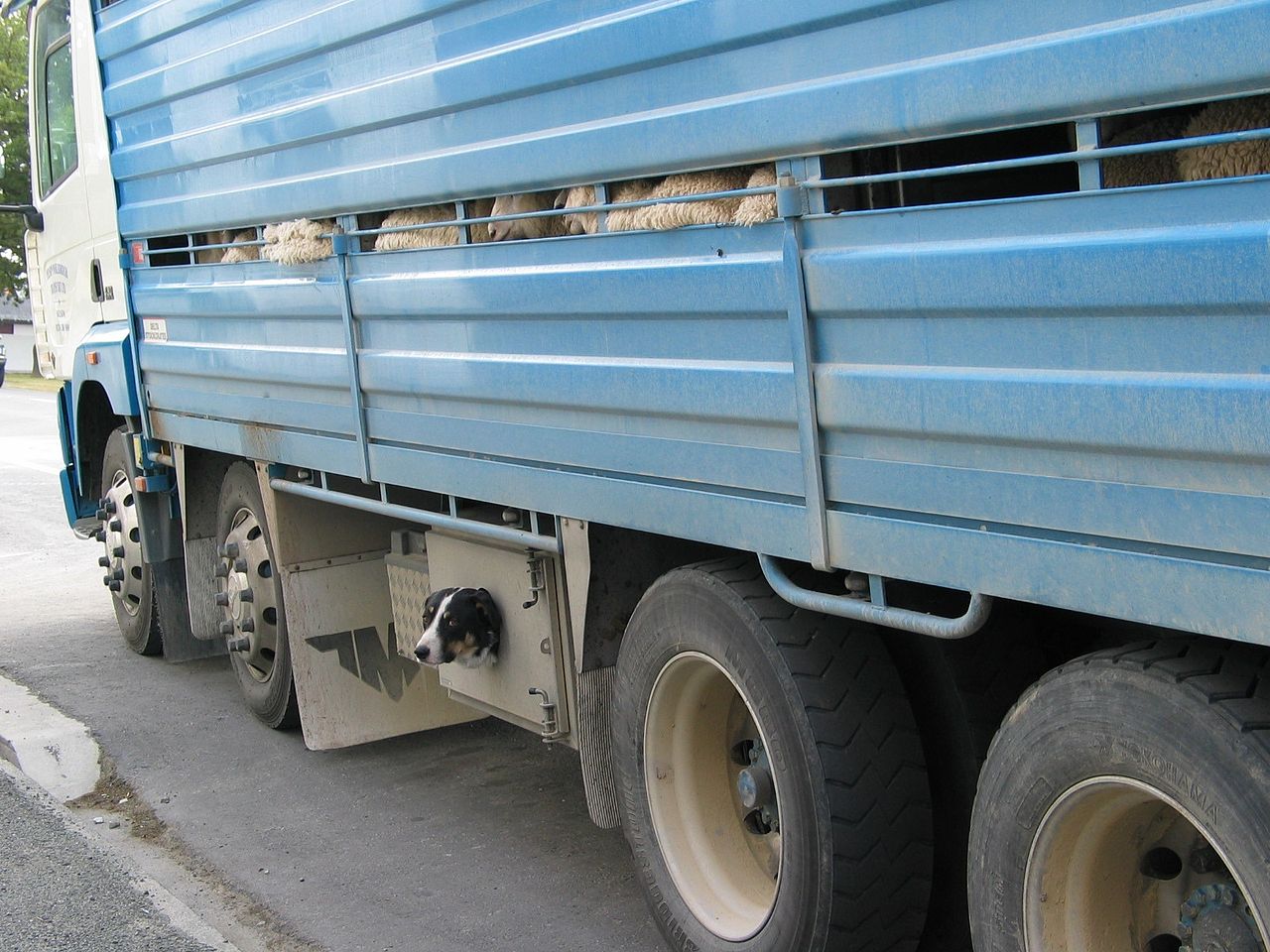
A sheepdog is any dog trained to help shepherds move, gather and control sheep and other flock animals. Herding behaviour originates in instincts found in several breeds and has been refined by selective breeding and handler training to produce agile, attentive dogs that work closely with people. Sheepdogs perform tasks ranging from driving animals across fields to holding flocks at a gate or sorting individual sheep.
Image gallery
10 Images


Characteristics and working styles
Herding dogs show a mix of intelligence, stamina, responsiveness and a strong willingness to work. Different dogs use different styles: some work close to livestock to nip and move animals, while others use a fixed stare or "eye" to direct movement. Training emphasizes voice commands, whistles and body language so the dog can act at a distance while the handler follows. Practical equipment often includes a whistle, lead and sometimes simple marking tools, but the core skill is the dog's ability to read stock and obey instructions.
History and development
Humans have relied on herding dogs for thousands of years wherever pastoralism developed. Local types were shaped by terrain, climate and the shepherding methods of each region, producing distinct breeds adapted to mountainous, open or closely managed pasture. Over time some types became standardized into modern breeds while others remained as working landraces passed down through shepherding communities.
Training, roles and examples
Training begins with socialization, obedience and exposure to livestock; more advanced schooling teaches gathering, heading, driving and penning. Sheepdogs are used on small family farms and in large commercial operations, and they also compete in sheepdog trials that test control and precision. Common examples include the Border Collie, valued for focus and agility, and traditional types such as the Old English Sheepdog and Shetland Sheepdog.
Breeds, distinctions and notable facts
- Many breeds are capable herders, from collie types to regional farm dogs; genetics and training both matter.
- Some dogs specialize in close work (nipping and moving) while others are "cleavers" or outrunners that take flocks long distances.
- Sheepdogs remain important for low-impact, efficient livestock management and for cultural traditions such as trials and demonstrations.
Whether used for everyday stockwork or competitive sport, sheepdogs illustrate a centuries-old partnership between people and dogs, combining instinctive behaviour with learned skills to manage animals in a wide variety of landscapes.
Author
AlegsaOnline.com Sheepdog — Working Dogs Trained for Herding and Stockwork Leandro Alegsa
URL: https://en.alegsaonline.com/art/89579