
Sharjah (Emirate and City, United Arab Emirates)
Sharjah is an emirate and its principal city in the UAE, known for cultural institutions, preserved heritage districts, education, trade and generally more conservative public policies than neighboring emirates.
Overview
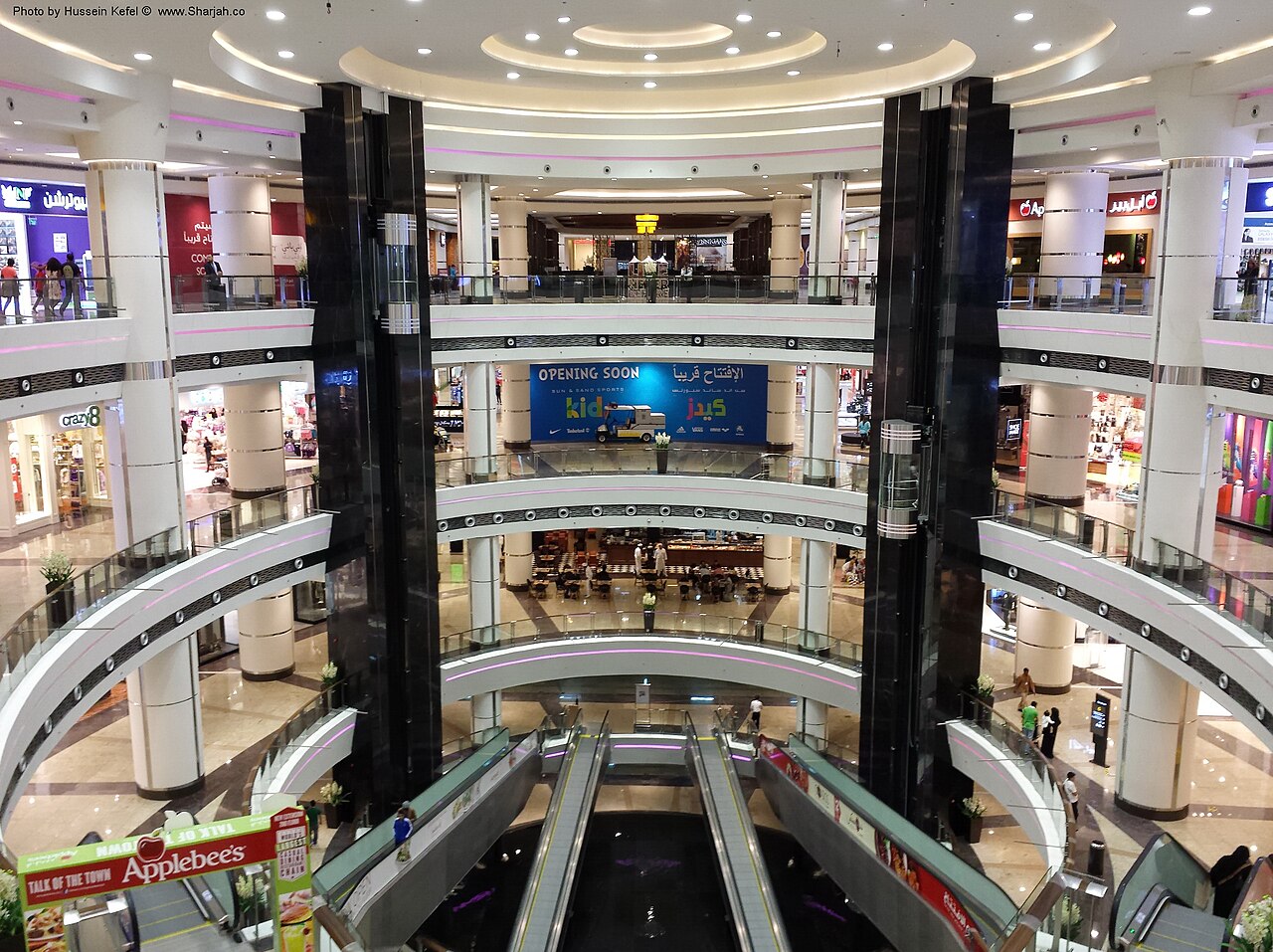
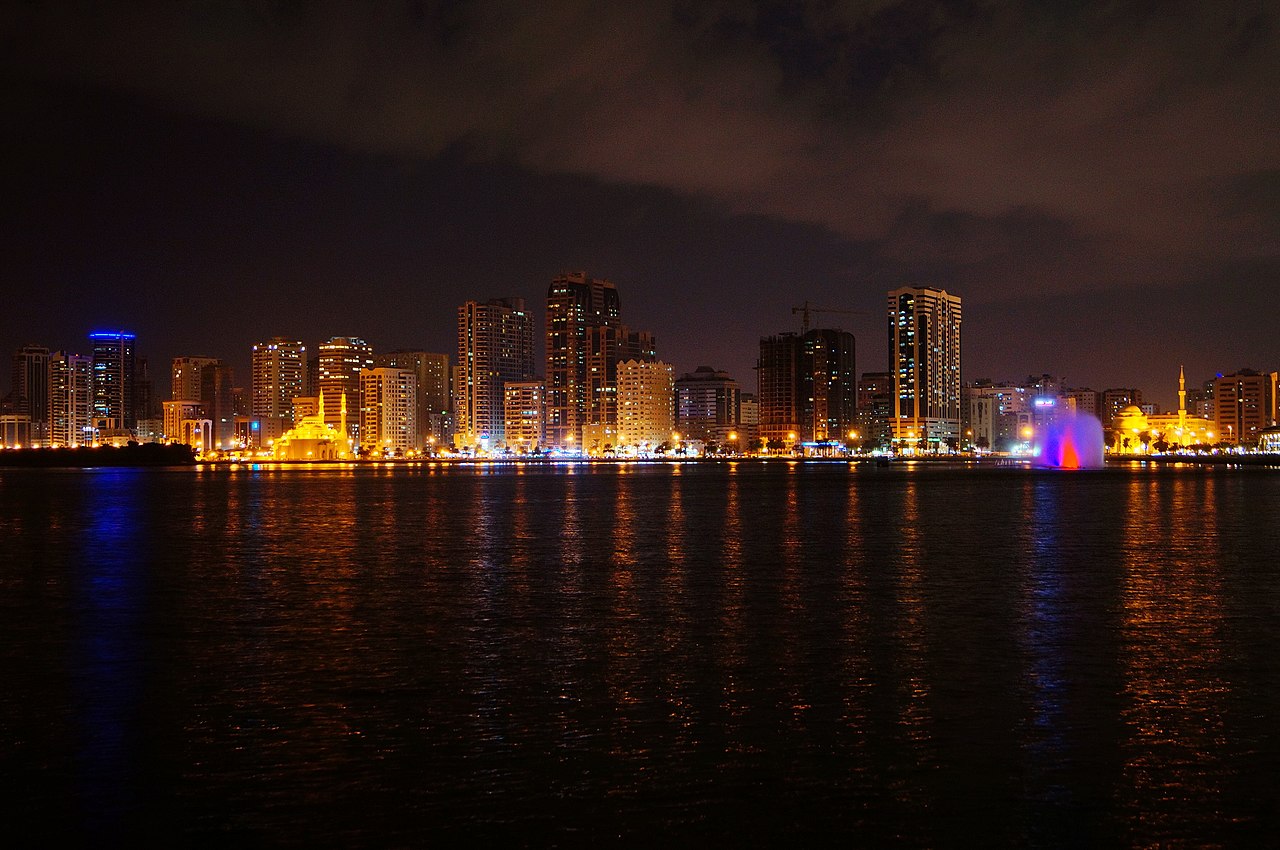
Sharjah refers both to one of the seven emirates of the United Arab Emirates and to the emirate's principal city. It is governed by the Al Qasimi ruling family and is widely regarded as a regional centre for culture, heritage preservation and education. Sharjah's urban character contrasts with neighbouring Dubai: it combines modern commercial districts, industrial zones and airports with restored souqs, museums and traditional neighbourhoods.
Image gallery
10 Images





Geography and administrative areas
The emirate has a varied geography that includes a coastline on the Arabian Gulf, continental desert and a small eastern coastline on the Gulf of Oman. Sharjah administers several non-contiguous enclaves and towns such as Khor Fakkan, Kalba and Dibba Al-Hisn along the east coast, in addition to the capital on the western shore. These geographic features shape local economies and conservation priorities.
History
Sharjah's history as a coastal trading port and maritime centre predates the modern state. Traditional activities included pearling and trade across the Indian Ocean. In the 19th and 20th centuries the area formed part of the Trucial States under British treaties. After the founding of the United Arab Emirates in 1971, Sharjah invested in infrastructure, education and cultural institutions alongside commercial development.
Culture, education and heritage
Sharjah is known for active cultural policy and many institutions: museums of Islamic art and heritage, an established art museum, restored heritage districts and annual events such as book and arts festivals. The emirate hosts a biennial contemporary art event and an international book fair that attract regional and international participants. Higher education establishments, including the American University of Sharjah and the University of Sharjah, contribute to research and a sizeable student population.
Economy and transport
The economy blends light and heavy industry, logistics, aviation, port activity, free zones and cultural tourism. Sharjah International Airport and several seaports handle passenger and cargo traffic. Industrial areas and free zones support manufacturing and shipping, while road links connect the emirate with neighbouring cities. Public transport provision is expanding but differs in scale from larger regional metros.
Governance, society and practical notes
Sharjah's legal and social frameworks are often described as more conservative than those of some neighbouring emirates: visitors and residents may encounter stricter rules on public conduct, dress and the sale or consumption of alcohol. The population is diverse, with a large expatriate community alongside Emirati citizens, and urban planning balances development with efforts to protect cultural heritage and some coastal environments.
Distinctive points
- "Sharjah" may refer to either the emirate or its capital city; context is important.
- The emirate includes geographically separate towns on the east coast, which have different coastal and ecological landscapes.
- Sharjah places particular emphasis on museums, arts and heritage preservation as part of its identity.
Related articles
Author
AlegsaOnline.com Sharjah (Emirate and City, United Arab Emirates) Leandro Alegsa
URL: https://en.alegsaonline.com/art/89506