
Shakespeare in Love (1998 film)
1998 British–American romantic period comedy–drama imagining a secret love affair involving a young William Shakespeare. Directed by John Madden; acclaimed for performances, screenplay and seven Academy Awards.
Overview
Shakespeare in Love is a 1998 British–American romantic period comedy–drama that presents a fictionalized account of a young William Shakespeare caught up in a passionate, theatrical love affair. Directed by John Madden, the screenplay was developed by Marc Norman with later contributions from Tom Stoppard. The film blends romance, comedy and metafictional elements to suggest how life and drama can influence one another, and it foregrounds the theater world of late 16th‑century London.
Image gallery
4 Images


Plot and principal characters
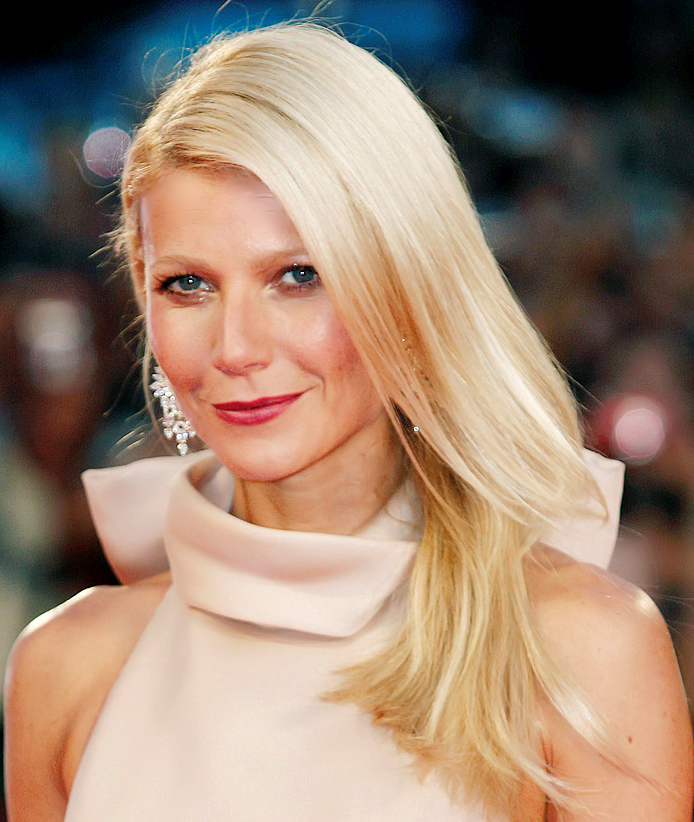
The story follows Viola de Lesseps, a noblewoman who longs to act at a time when women were not permitted on the professional stage. Disguised as a man, she joins an acting troupe and becomes the inspiration and romantic partner of William Shakespeare, who is struggling with writer's block and financial pressures. The central performances include Gwyneth Paltrow as Viola and Joseph Fiennes as Shakespeare, with Judi Dench portraying Queen Elizabeth I in a striking supporting role and Ben Affleck in a smaller supporting part. The film interweaves scenes of rehearsal, backstage intrigue and court life with playful allusions to later Shakespearean themes.
Production and screenplay
The screenplay mixes invented incidents with recognizable historical figures and theatrical conventions. Costume and set design aim to evoke the Elizabethan stage while the dialogue often echoes Shakespearean diction and motifs. The film's production emphasized period detail and theatrical staging to create a convincing world of playhouses, patrons and court entertainments. For background on the director and the creative team, see the film's page for the director and the entry on Gwyneth Paltrow, and consult the page for the lead actor for more on casting choices.
Reception and awards
On release the picture was widely praised for its performances—particularly those of Paltrow and Judi Dench—and for its witty, literate screenplay. It was a major awards-season contender and ultimately won seven Academy Awards, including Best Picture, Best Actress and Best Supporting Actress. The film's awards run also prompted discussion about the role of industry promotion and campaigning in awards outcomes. Contemporary critics debated its balance of historical playfulness and romantic storytelling.
Historical accuracy and themes
The film is explicitly a work of fiction rather than a biography. It uses historical names, settings and theatrical practices as a backdrop for dramatized scenes that are not documentary reconstructions. Key themes include the relationship between experience and artistic creation, questions of authorship and collaboration, and gender and performance, since Viola's disguise foregrounds the theatrical practice that excluded women from the stage. For commentary on the screenplay and design elements, see resources on the film's screenplay and on costume and design.
Legacy
Shakespeare in Love remains frequently cited in discussions about adaptations that fictionalize historical figures and about how popular culture represents Shakespeare. Its playful, metafictional approach has made it both a popular introduction to Elizabethan theatre for many viewers and a subject of academic interest regarding narrative invention. For broader context about the period and the real Shakespeare, consult general period context and historical notes.
Further reading and related entries can be found on dedicated pages for the film's awards and production history: see the film's awards overview and additional production notes on the director and principal cast pages.
Related articles
Author
AlegsaOnline.com Shakespeare in Love (1998 film) Leandro Alegsa
URL: https://en.alegsaonline.com/art/89401