
Serbăuţi (commune in Suceava County, Romania)
Serbăuţi is a small rural commune in Suceava County in northeastern Romania, composed of the villages Călinești and Șerbăuți, with roots in the historical region of Bukovina and a primarily agricultural character.
Serbăuţi is a rural commune in northeastern Romania, administratively part of Suceava County. It is located within the historical region commonly known as Bukovina and is made up of two component villages: Călinești and Șerbăuți. The locality is typical of small Romanian communes, combining residential hamlets, agricultural land and patches of forest.
Image gallery
2 Images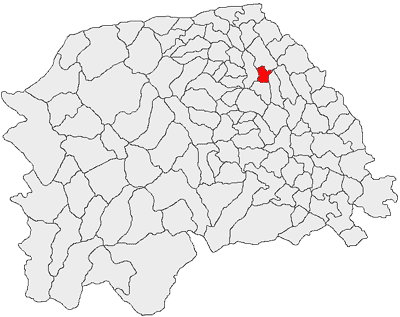

Composition and landscape
The commune consists of the two villages listed above. The landscape is generally rolling and suitable for mixed farming and orchards; local roads connect the settlements to nearby towns and to the county seat. Housing is primarily low-rise and rural in character, and public buildings commonly include a village hall and one or more churches serving local religious life.
History and cultural context
As part of the broader Bukovina area, the territory around Serbăuţi shares a history shaped by the medieval Principality of Moldavia and later by periods of imperial administration in the late 18th and 19th centuries. Twentieth-century changes in national borders and administrative systems affected land ownership and community life, and traditional customs and crafts persist alongside modern influences.
Economy and everyday life
Economic activity in Serbăuţi is dominated by small-scale agriculture, animal husbandry and forest-related work. Residents may supplement incomes through local services, seasonal labour, or commuting to larger towns. Community life often centers on religious and seasonal festivals and on cooperative social networks typical of Romanian rural areas.
Administration and notable facts
- The commune is governed by a local mayor and council operating within the county framework.
- Place names are spelled with Romanian diacritics (Șerbăuți/Serbăuţi); similar village names occur elsewhere in Romania.
- For maps and administrative details consult the county authorities or national sources for Romania.
Serbăuţi exemplifies many small rural communes in the region: modest in size, rooted in local agricultural traditions, and part of the layered history of Bukovina within the modern Romanian state.
Related articles
Author
AlegsaOnline.com Serbăuţi (commune in Suceava County, Romania) Leandro Alegsa
URL: https://en.alegsaonline.com/art/88972