
Seine-Saint-Denis (French department)
Seine-Saint-Denis is a densely populated department in Île-de-France, northeast of Paris, known for cultural diversity, urban suburbs, social challenges and landmarks such as the Stade de France.
Overview
Seine-Saint-Denis is a French administrative department in the Île-de-France region. It forms part of the densely built-up suburbs to the north and northeast of central Paris and is commonly identified by its departmental number, 93. The area is administratively important and culturally vibrant; for basic information about the department see the official department page and the regional context at Île-de-France resources.
Image gallery
7 Images



Geography and communes
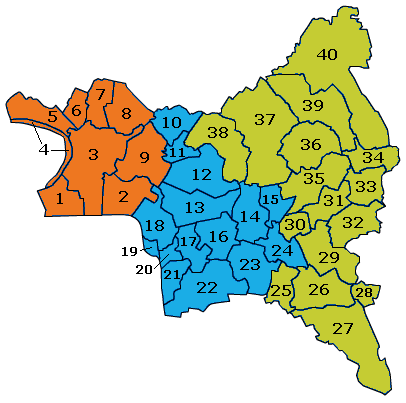
The department covers a compact territory made up of numerous contiguous communes that function as suburbs of Paris. Major communes include:
- Saint-Denis, home to several historic and sporting sites
- Montreuil
- Aubervilliers
- Bobigny (the prefecture)
- Pantin and others that together create a continuous urban area with Paris
History and administration
Seine-Saint-Denis was created during administrative reorganisation in the late 1960s from parts of former departments surrounding Paris. Its seat, the prefecture, is located in Bobigny. Over decades the department evolved from industrial suburbs to a complex mix of residential, commercial and light-industrial zones.
Economy, demographics and challenges
The department is one of the most densely populated in France, with a large and diverse population: official estimates from the mid-2000s put the population at around 1.45 million inhabitants. It has a youthful demographic profile and a strong presence of immigrant communities. Economic life mixes local businesses, services and remaining industrial sites. Seine-Saint-Denis also faces notable social and economic challenges, including higher-than-average unemployment and pressure on housing and public services.
Culture, sport and notable sites
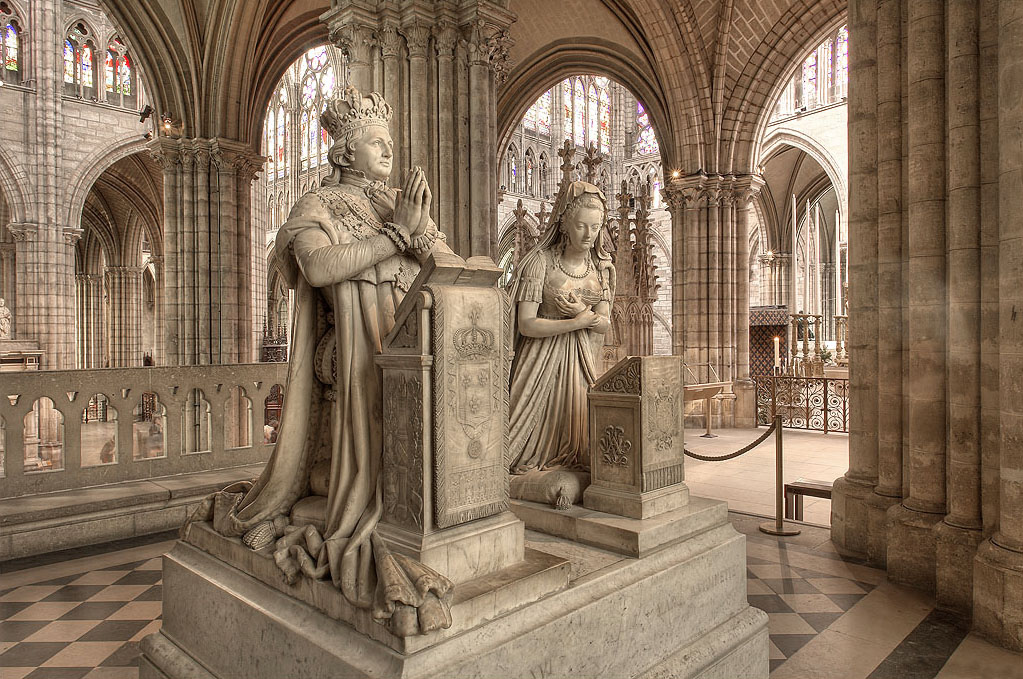
Despite difficulties, Seine-Saint-Denis is renowned for cultural dynamism: it has been an important incubator for music, street arts and social movements. The department contains major venues such as the Stade de France in the commune of Saint-Denis, museums, cultural centers and vibrant street festivals. These sites attract visitors from across the Paris region and contribute to a strong local identity.
Transport and connectivity
Seine-Saint-Denis is well connected to Paris by regional trains (RER), metro lines, tramways and bus networks, and it is crossed by major roads and transport corridors. These links shape daily commuting patterns and the department's economic integration with the rest of the metropolis. For demographic and planning references see the regional statistics and documents such as the population estimate from 2006: 2006 estimate.
Related articles
Author
AlegsaOnline.com Seine-Saint-Denis (French department) Leandro Alegsa
URL: https://en.alegsaonline.com/art/88597