
Science park (technology and research campus)
A planned real-estate development hosting high-tech, scientific and research organizations, often linked to universities to promote innovation, collaboration, technology transfer and economic growth.
A science park is a managed property created to host and support high-technology, scientific and research-oriented organizations. These campuses combine office space, laboratories, incubators and shared facilities to encourage collaboration among companies, universities and public research institutes. The model is widespread worldwide and especially common in developed economies; for example, there are over 140 such parks in North America.
Image gallery
7 Images


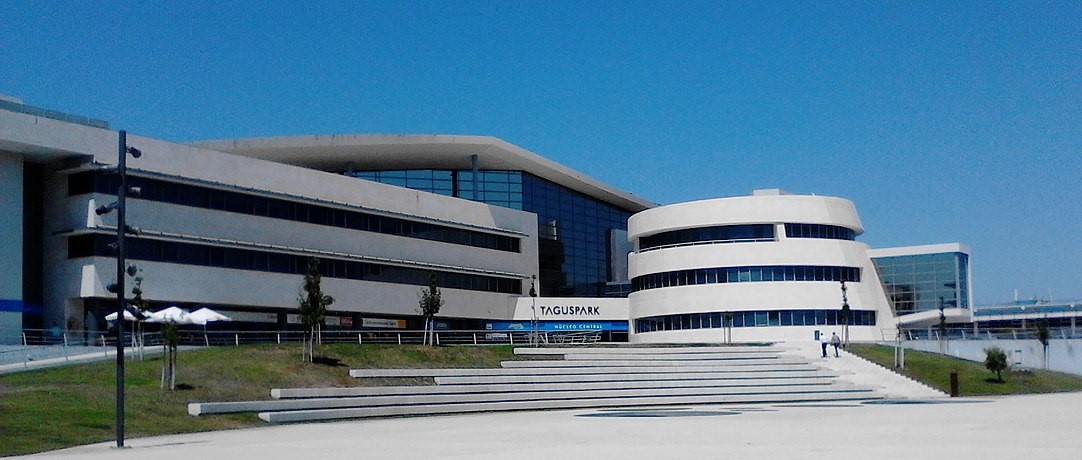


Characteristics and components
Science parks are designed with specialized physical and organizational features that support innovation. Typical components include robust laboratory space, adaptable offices, high-capacity digital infrastructure, pilot manufacturing or test facilities, and communal amenities. Parks often host business support services such as technology transfer offices, legal and financial advisors, and on-site incubators or accelerators that help startups and university spin-offs scale.
Governance and ownership
Ownership and management models vary: some parks are owned by universities, others by private developers, government agencies or public–private partnerships. Governance arrangements influence priorities for tenancy, intellectual property policies and relations with academic partners. A park may be described as a property intended for coordinated development of innovation activities.
Functions, impact and uses
Science parks accelerate commercialization of university and institutional research, provide graduated space for firms at different stages, and concentrate skilled labor and specialized suppliers. They help regions attract investment, support workforce development and create networks that increase knowledge transfer. Many parks emphasize collaboration with science and industry to foster applied research and product development.
Challenges and trends
Current trends include greater focus on sustainability, digital connectivity and sector specialization (for example biotechnology or advanced manufacturing). Challenges include ensuring affordable space for startups, aligning incentives among stakeholders and measuring longer-term economic impact of research commercialization. Despite these challenges, science parks remain important instruments in regional innovation systems.
Related articles
Author
AlegsaOnline.com Science park (technology and research campus) Leandro Alegsa
URL: https://en.alegsaonline.com/art/88030