
Says — former municipality in Graubünden, Switzerland
Says was a small rural municipality in the Landquart district of Graubünden, Switzerland. It merged into Trimmis on 1 January 2008 and retains a distinct local character within the larger municipality.
Overview
Says was a small municipality in the district of Landquart within the canton of Graubünden. Located in eastern Switzerland, it functioned as an independent local community until the start of 2008. The settlement is typically described as a compact village with a rural character and close ties to nearby towns.
Image gallery
3 Images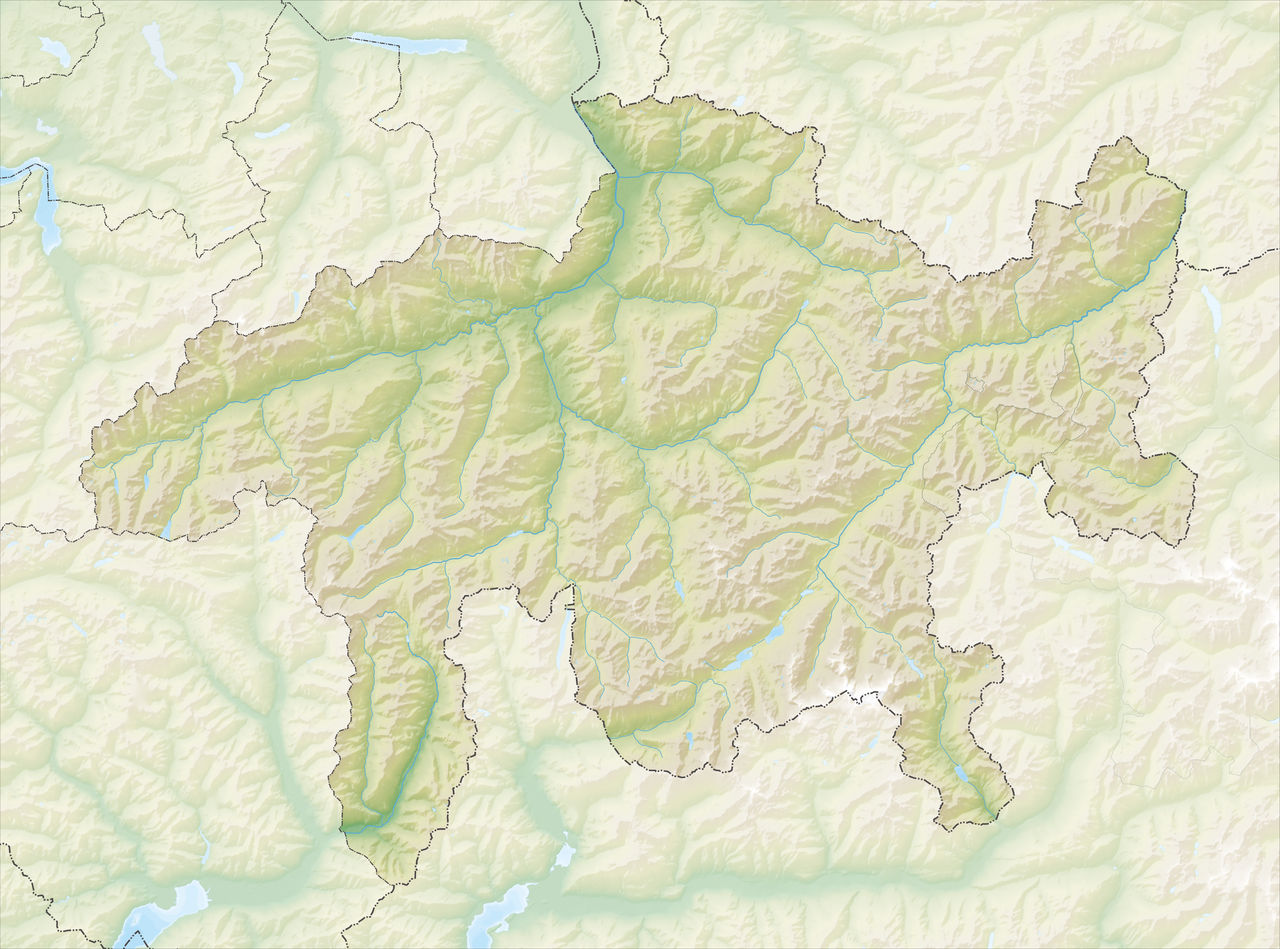


Geography and character
The village sat on slopes above the Rhine valley near the municipality of Trimmis and the regional centre of Chur. Its landscape includes mixed farmland, pasture and patches of woodland, with traditional alpine-style houses and local lanes rather than large urban infrastructure.
History and development
Says has medieval roots typical of mountain villages in Graubünden; it evolved over centuries as a small, self-contained community. Local life historically centered on agriculture, seasonal work and parish institutions. Administrative arrangements reflected Switzerland’s long tradition of municipal autonomy.
Merger into Trimmis
On 1 January 2008 the municipality was formally merged into the neighbouring municipality of Trimmis. Before the merger Says had maintained its own municipal council and services; the change united local administration and planning under the larger municipality while preserving the village identity.
Administration and identity
- Before 2008 it was listed as a separate municipality within the Swiss federal system.
- It belonged administratively to the district of Landquart and the canton of Graubünden (Grisons).
- After the merger local traditions, building fabric and place names continue to mark Says on maps and in local memory.
Importance and notable facts
Although small, Says illustrates common themes in Swiss local governance: geographically distinct villages with long histories that later join larger municipalities for administrative efficiency. The merger into Trimmis is an example of municipal consolidation seen across Switzerland in recent decades. For administrative details and historical records consult municipal and cantonal sources via the relevant authorities and archives.
Related articles
Author
AlegsaOnline.com Says — former municipality in Graubünden, Switzerland Leandro Alegsa
URL: https://en.alegsaonline.com/art/87722