
Saylorville, Iowa
Saylorville is a small census-designated community north of Des Moines, Iowa, notable for its proximity to Saylorville Lake and its role in flood control, recreation, and the Des Moines metropolitan region.
Saylorville is a census-designated place (CDP) in Polk County, in the state of Iowa, United States (U.S.). It lies north of Des Moines and is commonly associated with the nearby reservoir known as Saylorville Lake. Though small and unincorporated, the community functions as part of the greater Des Moines metropolitan area and shares close economic and recreational ties with the region.
Image gallery
2 Images
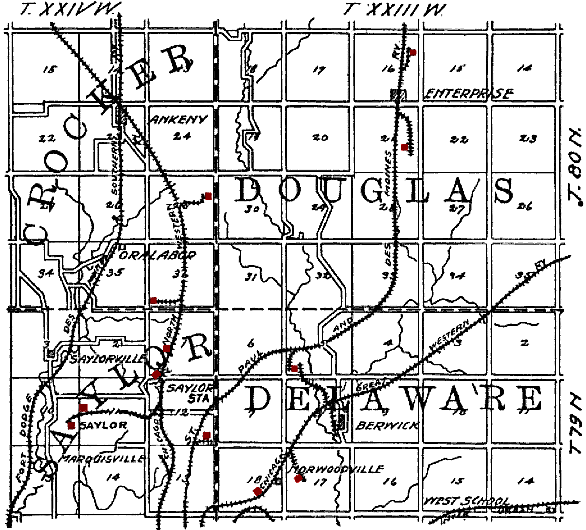
Characteristics and setting
Saylorville is primarily residential with local services that serve both year-round residents and visitors drawn to the lakeshore. The landscape combines low-lying river valley, wooded shorelines and managed public land around the reservoir. The nearby water impoundment and public recreation areas create a mix of suburban and outdoors-oriented character.
History and development
The area's modern identity grew after construction of the dam and reservoir in the mid‑20th century, when federal flood control projects reshaped the Des Moines River valley. The name reflects an early settler family in the region; over time the community and the dam became linked in local usage, though the CDP and the lake are distinct features.
Uses and importance
Saylorville Lake and its dam serve two major functions: flood control for downstream communities and a regional recreation resource. Managed public lands around the reservoir offer boating, fishing, hiking trails, picnic areas and campgrounds, attracting day users and seasonal visitors. The reservoir also provides wildlife habitat and supports local tourism and outdoor economies.
Notable distinctions
- Administrative status: Saylorville is a CDP rather than an incorporated town, meaning it lacks a municipal government of its own.
- Relationship to the lake: The name Saylorville commonly refers to both the community and the nearby Saylorville Lake, but they are separate entities—one a place where people live, the other a managed water body.
- Regional role: The area contributes to flood resilience for Des Moines and nearby communities while offering outdoor recreation that supports local quality of life.
For visitors or researchers seeking more detailed maps, recreation guides, or administrative information, regional planning and federal agencies maintain resources and management plans that cover Saylorville Lake, the dam, and the surrounding communities.
Related articles
Author
AlegsaOnline.com Saylorville, Iowa Leandro Alegsa
URL: https://en.alegsaonline.com/art/87716