
Sauk Village, Illinois
Sauk Village is a suburban village in Cook and Will counties, Illinois, just south of Chicago. It developed as a mid-20th‑century residential community and maintains local parks, schools, and civic institutions.
Sauk Village is a village located in the U.S. state of Illinois, situated on the southern edge of the Chicago metropolitan area. It lies in both Cook and Will counties and functions chiefly as a residential suburb with local commercial corridors and community facilities. The village is commonly considered part of the broader south suburban region that surrounds Chicago.
Image gallery
6 Images
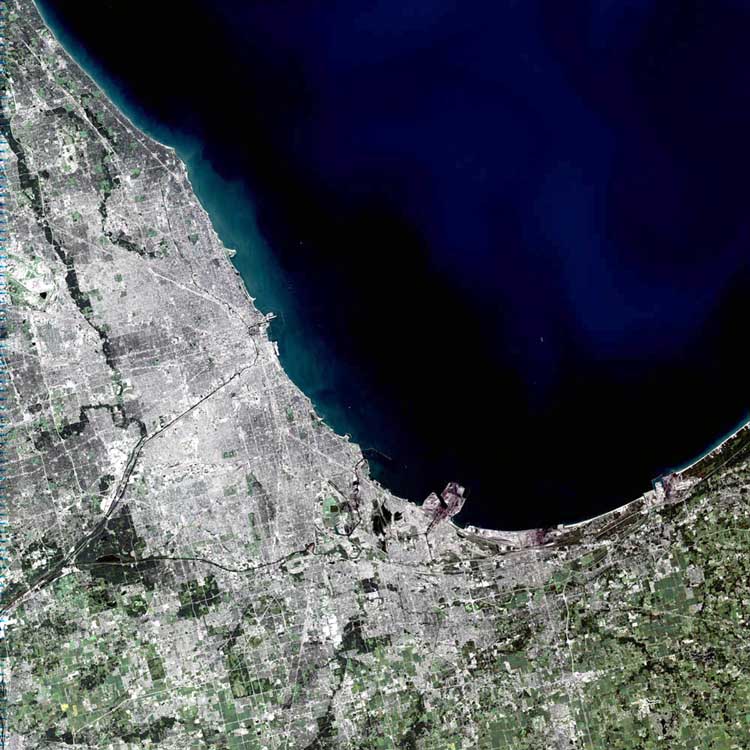
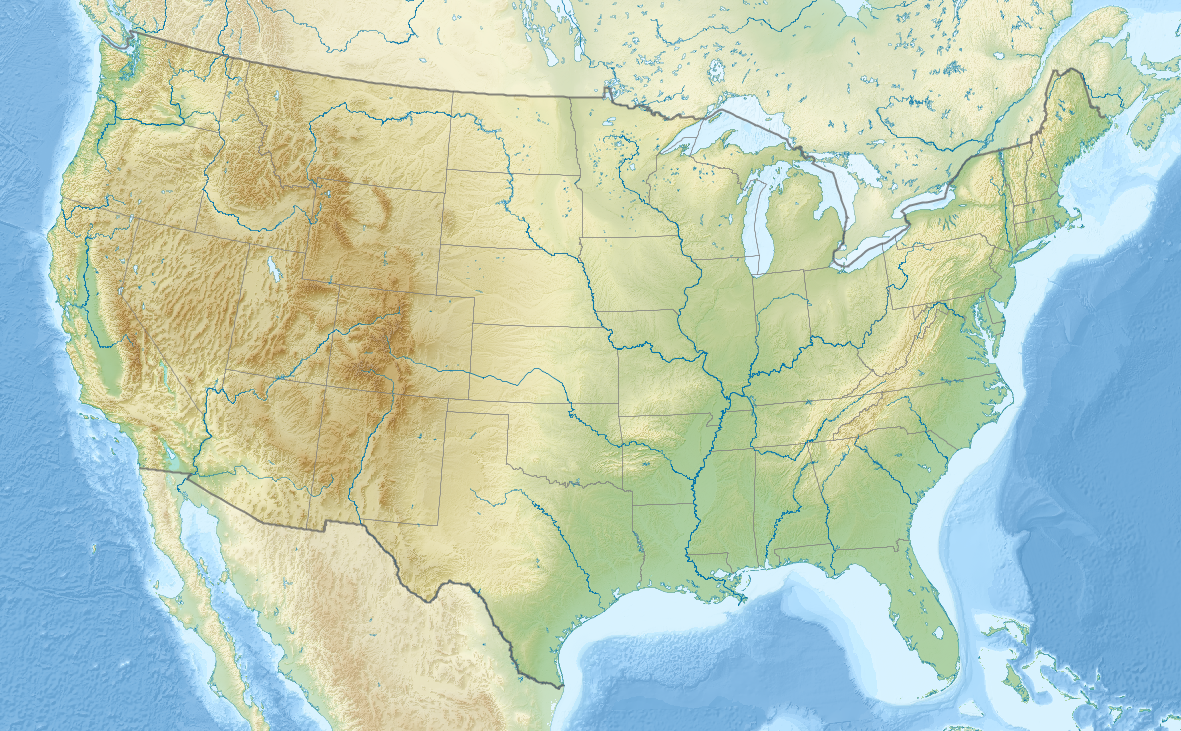


Geography and character
The built environment of Sauk Village includes single‑family neighborhoods, small shopping strips and municipal buildings. Green space, neighborhood parks and tree‑lined streets are features of its layout. Its proximity to the Chicago area makes it a community where many residents commute to jobs in the city and nearby employment centers.
History and name
The village takes its name from the Sauk (or Sac) Native American people and from historic routes known as Sauk trails that crossed the region. The locality transitioned from rural and agricultural uses to residential development during the post‑World War II suburban expansion that shaped many communities around Chicago.
Government, services, and institutions
Sauk Village is governed by an elected village board and chief executive commonly responsible for municipal services such as public safety, sanitation and parks. Educational needs are served by nearby public school districts and community resources include libraries and recreational programs run at the village level.
Economy, transport and community life
The local economy relies on small businesses, retail along major routes and a commuter workforce. Transportation connections include regional roads and access to metropolitan transit options that link residents to jobs and services in Chicago. Community life is sustained through civic events, youth programs and neighborhood organizations.
Further information
- For municipal details and local announcements, see the village's official pages: Sauk Village official information.
- Context about the village within the state: Illinois state resources.
- Demographic and regional data can be found via federal or regional statistical sources: regional data and statistics.
Related articles
Author
AlegsaOnline.com Sauk Village, Illinois Leandro Alegsa
URL: https://en.alegsaonline.com/art/87544