
Sante Geronimo Caserio: Italian anarchist who killed President Sadi Carnot
Sante Geronimo Caserio (1873–1894) was an Italian anarchist who assassinated French President Sadi Carnot in 1894. The killing intensified anti-anarchist measures in France and is studied in histories of political violence.
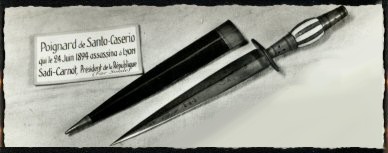
Sante Geronimo Caserio (born 1873) was an Italian-born anarchist best known for the assassination of Marie François Sadi Carnot, president of the French Third Republic. Caserio’s act—committed while the president was on official duty in 1894—was carried out with a knife, led to his rapid arrest and trial, and culminated in execution later that year. The episode is often cited in discussions of "propaganda of the deed" and the political climate of late 19th-century Europe. Biographical summary
Image gallery
9 Images


Background and political milieu
Caserio came from a working-class background in northern Italy and was drawn into the transnational anarchist movement that linked militant critics of the state across Europe. That movement included diverse currents, from those advocating nonviolent communal organizing to those who argued for violent direct action against political leaders. Caserio spent time in France and associated with anarchist circles there; these contacts and the broader radical discourse shaped his worldview. Early years and milieu
The assassination and arrest
During a public appearance by the president, Caserio approached and fatally stabbed Sadi Carnot. Contemporary press accounts and police reports described a swift arrest at the scene. Authorities framed the killing as part of a recent wave of anarchist attacks on public figures, which had already prompted alarm among governments and the public. The circumstances of the attack and the prompt detention influenced the legal and political response that followed. Details of the attack
Trial, execution and immediate effects
Caserio's trial was conducted quickly; he was convicted and executed within months. The legal process, its speed, and the public reaction were intensely debated at the time. In France, the assassination reinforced support for tougher measures against anarchist agitators, including expanded surveillance and stricter laws aimed at suppressing radical publications and meetings. Judicial proceedings
Impact and legacy
- Illustrates the phenomenon called "propaganda of the deed" and its consequences for political movements. Anarchist context
- Contributed to a climate of anti-anarchist legislation and policing in the French Third Republic. Legal and political aftermath
- Continues to be examined in studies of political violence, state reaction, and the ethics of direct action. Scholarly discussions
Historians place Caserio’s act within broader social and political tensions of the era: industrial change, labor unrest, national rivalries, and debates about the legitimacy of violent protest. While the assassination is sometimes reduced to its sensational facts, its significance lies in how democratic societies used emergency measures and public opinion to respond to radical opposition. The case remains a reference point in scholarship on crime, punishment and political radicalism.
Related articles
Author
AlegsaOnline.com Sante Geronimo Caserio: Italian anarchist who killed President Sadi Carnot Leandro Alegsa
URL: https://en.alegsaonline.com/art/87177