
Bando kickboxing
A modern, sport-oriented form of Burmese striking arts combining standing strikes with a ring or mat format. Rules, equipment and contact level vary from light-contact to full-contact competition.
Overview
Bando kickboxing is a contemporary competitive discipline that adapts striking methods from Burmese fighting traditions into a gloved, ring-or-mat sport format. It is sometimes described in Europe as a version of "Burmese boxing" adapted for modern competition and training. The emphasis is on stand-up techniques delivered with the feet and gloved fists, organized into regulated bouts suitable for both recreational practitioners and competitive athletes.
Image gallery
10 Images


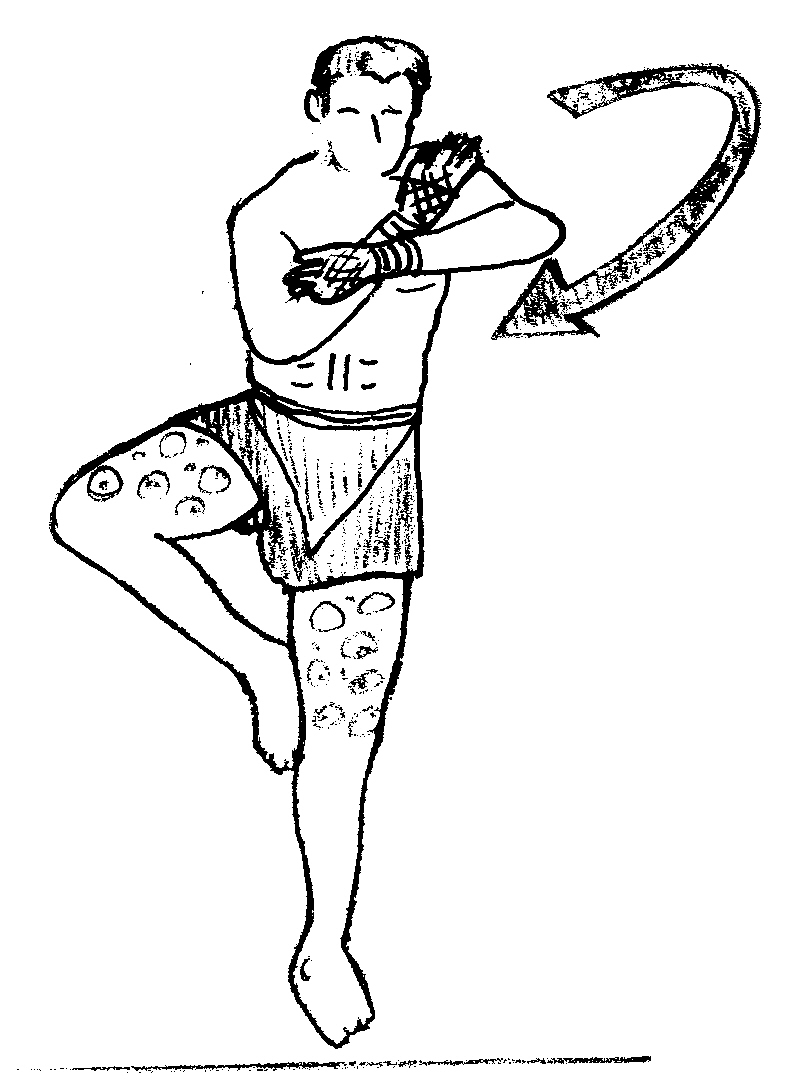


Characteristics and common rules
Rules for Bando kickboxing are not wholly standardized worldwide and are often set by national or club-level organizations. Common features include:
- Two primary competition modes: a light- or controlled-contact division where strikes are aimed to touch without injuring, and a full-contact division that permits strikes at full power for experienced adults.
- Use of boxing gloves (rather than bare hands), with protections varying by age and level—typical equipment includes headgear, chest protectors, shin guards and mouthguards.
- Fights held either in a ring or on a carpeted mat; bout duration, number of rounds and permitted techniques (for example, types of kicks, knees or clinch work) depend on the rule set and competitors’ categories.
History and development
The sportized form of Burmese striking arts began to take shape in the mid-20th century as practitioners adapted traditional techniques for Western-style competition. In the United States and Europe during the 1960s and 1970s, these adaptations contributed to the emergence of various full-contact striking sports and helped create a framework that combined standing combat skills with protective equipment and refereed matches.
Practice, training and uses
Students practice combinations of punches, kicks and defensive footwork drawn from both traditional Bando kata and modern kickboxing drills. Training can be oriented toward self-defense, physical conditioning or competitive fighting. Clubs often offer separate classes for children, amateurs and experienced fighters, adjusting contact levels and protective gear to match safety and developmental needs.
Differences from related arts
Bando kickboxing differs from traditional Burmese bare‑knuckle styles (such as classic lethwei) in several important ways: it typically uses gloves, restricts or omits techniques like headbutts permitted in some traditional forms, and operates within fixed time rounds under a referee. Compared with mainstream international kickboxing, Bando kickboxing may retain particular striking patterns and cultural training elements drawn from Burmese practice while otherwise following familiar sport-combat conventions.
Competition variations and safety
Because rules vary, organizers clearly state allowed techniques and required protective equipment before events. Youth and novice divisions emphasize safety with mandatory helmets and body protectors; full-contact adult divisions reduce padding but impose medical checks and supervising referees. For more on organized formats and regional rule sets, see further information.
Questions and answers
Q: What is bando kickboxing?
A: Bando kickboxing is a modern sport form of lethwei, a form of Burmese boxing that involves fencing with feet and gloved fists in a ring.
Q: When was bando kickboxing born?
A: Bando kickboxing was born in North America at the beginning of the 1960s.
Q: What are the two forms of fight in bando kickboxing?
A: The two forms of fight in bando kickboxing are "controlled bando kickboxing" (light contact) and "bando kickboxing of full contact."
Q: What is controlled bando kickboxing?
A: Controlled bando kickboxing is a form of bando kickboxing where the blows only touch the opponent in order to not hurt them.
Q: Who is full contact bando kickboxing intended for?
A: Full contact bando kickboxing is intended for adults who are more experienced.
Q: What are some of the variable rules and conditions in bando kickboxing competitions?
A: Variable rules and conditions in bando kickboxing competitions include authorized and forbidden techniques, fight time, type of surface, and wearing of protective gear.
Q: What are some examples of protective gear worn during bando kickboxing competitions?
A: Examples of protective gear worn during bando kickboxing competitions include a helmet, plastron, protectors of shins, and slippers.
Tags
Related articles
Author
AlegsaOnline.com Bando kickboxing Leandro Alegsa
URL: https://en.alegsaonline.com/art/8700