
Sal (island of Cape Verde)
Sal is a low, sandy island in northern Cape Verde known for its beaches, year‑round sunshine, wind sports, salt pans and Amílcar Cabral International Airport.
Sal is one of the islands of Cape Verde, situated in the eastern part of the archipelago. The island is characterised by broad, white sandy beaches, an arid, largely flat terrain and steady trade winds, which have shaped both its landscape and its appeal as a tourism and sports destination. The principal town and administrative centre is Espargos, while the southern settlement of Santa Maria has developed into the island's main resort area.
Image gallery
10 Images
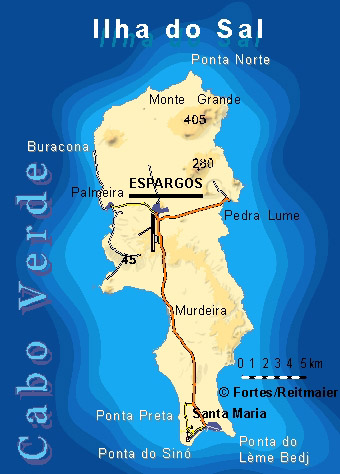


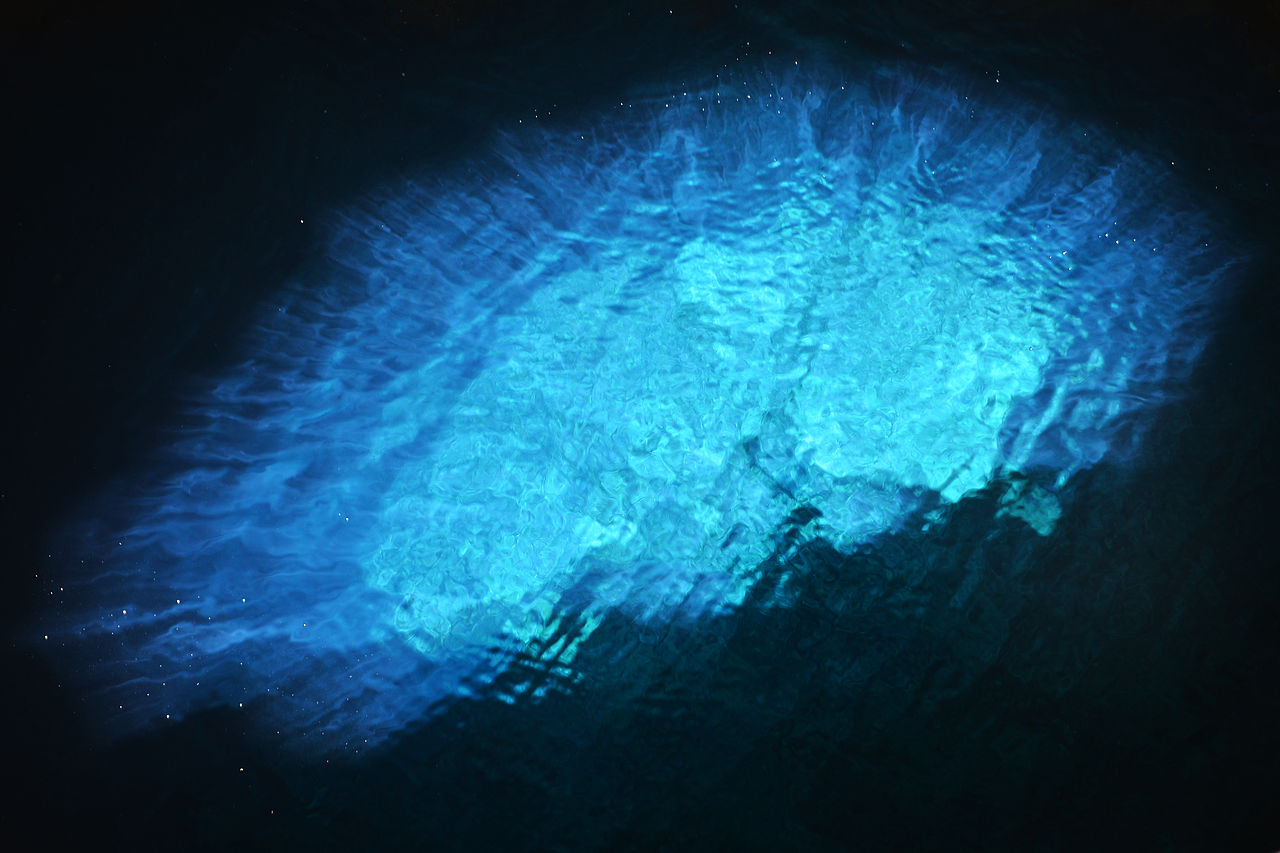


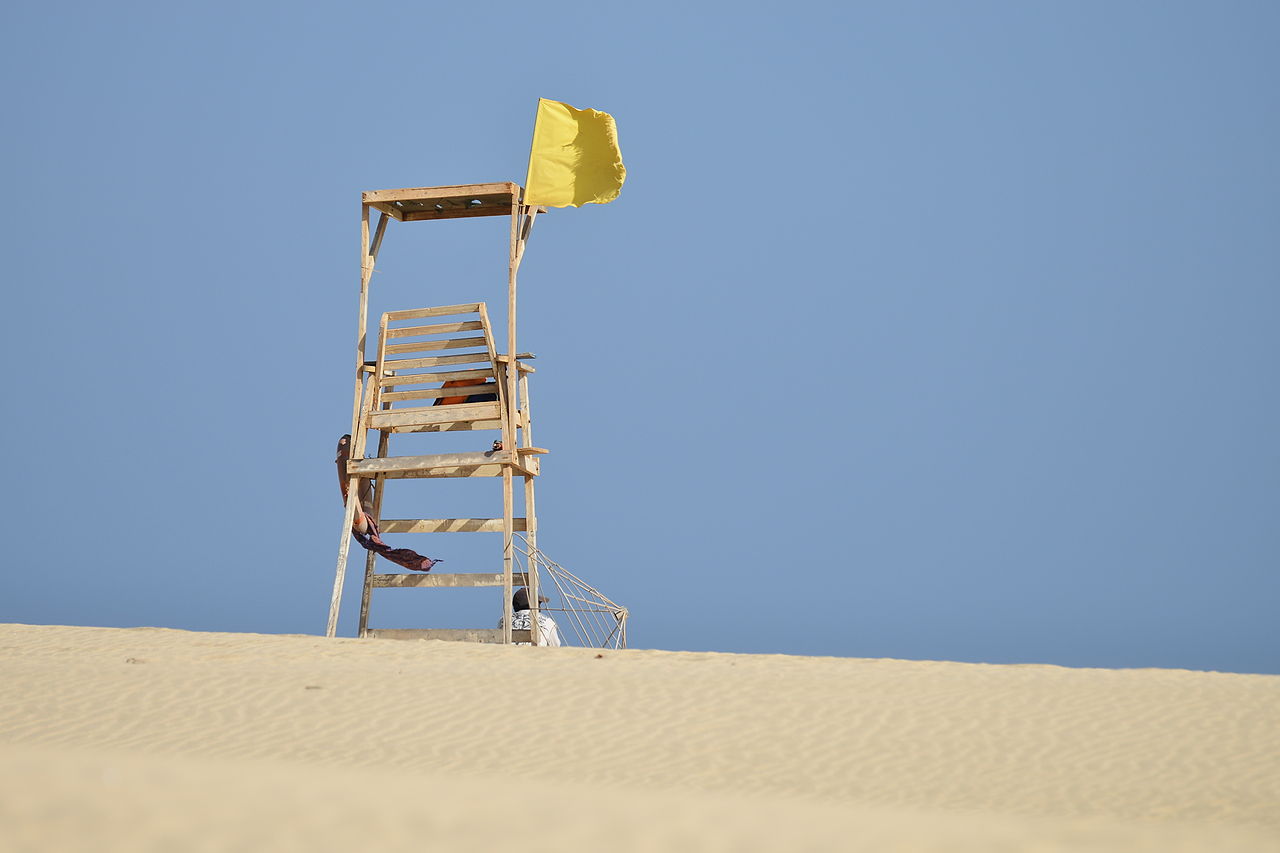


Geography and climate
Unlike the volcanic, mountainous islands elsewhere in the country, Sal is relatively low and exposed. The soil is sandy or rocky, and natural vegetation is sparse. Rainfall is scarce and seasonal, producing a semi‑desert appearance across much of the island. The persistent winds and long hours of sunshine create favourable conditions for windsurfing and kitesurfing and contribute to a lively season for water sports.
History and name
Portuguese explorers charted Sal in the 15th century; the island's name, which means "salt" in Portuguese, refers to its long history of salt extraction. Natural salt pans and an extinct volcanic crater with salt deposits near Pedra de Lume were important local resources and helped give the island its early economic role before tourism expanded.
Economy and tourism
Today tourism is the dominant economic activity. Santa Maria and nearby beaches attract visitors for swimming, diving, sport fishing and wind sports. Hotels, restaurants and service businesses concentrate along the coast, while inland areas remain more sparsely developed. Salt production and some fishing continue as supplementary activities.
Transport and infrastructure
Sal hosts Amílcar Cabral International Airport, the busiest airport in Cape Verde, located close to Espargos. The island's main port is Palmeira on the west coast, which handles cargo and some ferry traffic. Road connections link the towns and tourist resorts, though much of the island remains easy to traverse by short drives.
Notable facts and activities
- Popular beaches: Santa Maria and surrounding coves are known for clear water and sand.
- Water sports: world‑class windsurfing and kitesurfing thanks to steady winds.
- Historical sites: salt pans at Pedra de Lume and the port town of Palmeira reflect earlier economic uses.
- Travel hub: the island's airport makes it a common entry point to the country.
Sal remains distinctive within Cape Verde for its coastal resorts, open landscapes and an economy oriented toward visitors and maritime connections, offering both natural attractions and infrastructure that support year‑round travel.
Related articles
Author
AlegsaOnline.com Sal (island of Cape Verde) Leandro Alegsa
URL: https://en.alegsaonline.com/art/86378