
Saint Vincent (island) — geography, history, and significance
Saint Vincent is the largest island of Saint Vincent and the Grenadines. A volcanic, mountainous Caribbean island with La Soufrière, Kingstown, a Garifuna heritage and a mixed agricultural and tourism economy.
Overview
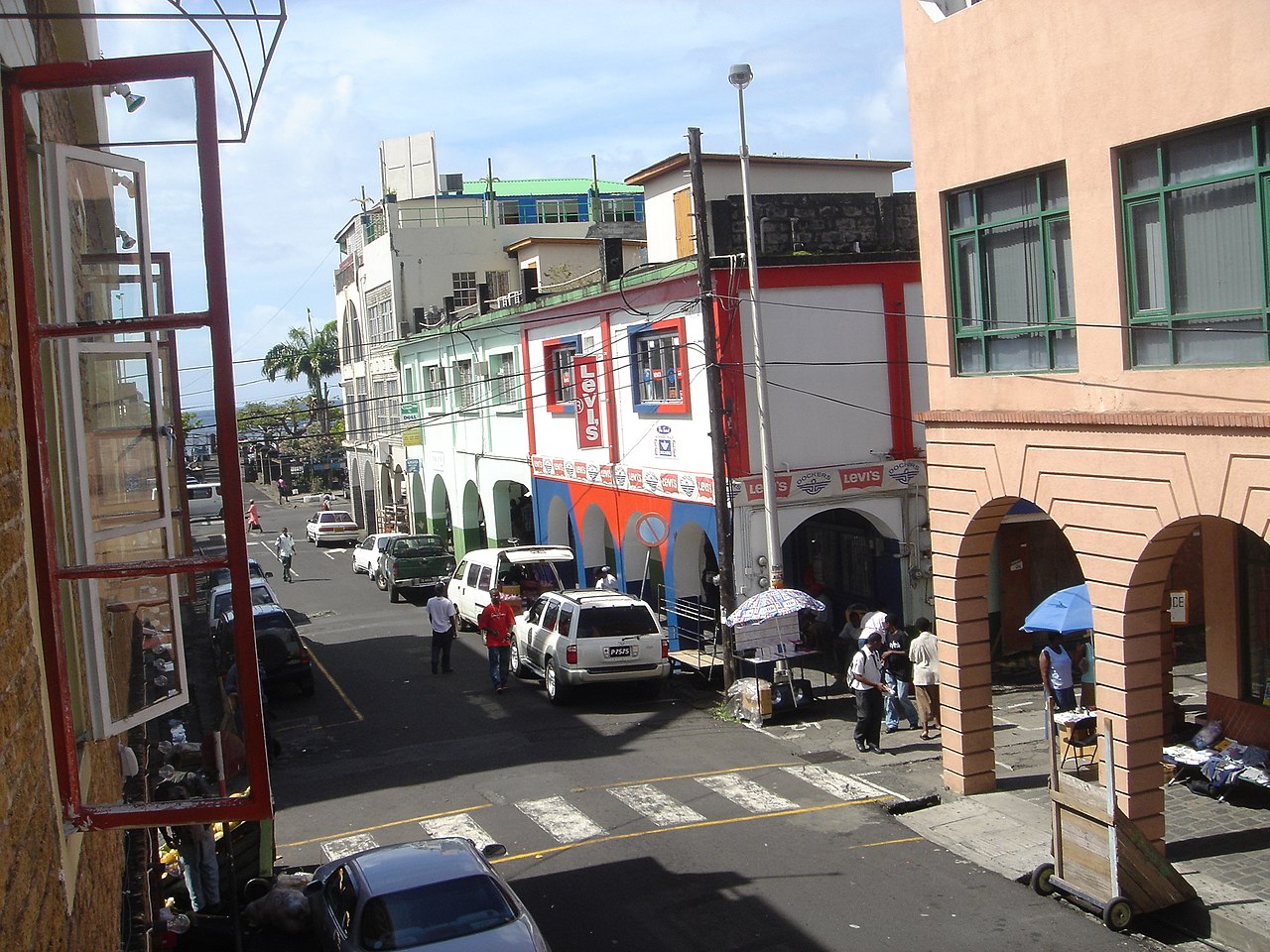
Saint Vincent is the principal and largest island of the state of Saint Vincent and the Grenadines, located in the southern Windward Islands of the eastern Caribbean. The island hosts the national capital, Kingstown, which functions as the political, commercial and maritime centre. Kingstown is the island's largest town and port; its population is commonly reported in the tens of thousands, and it serves as the principal point of entry for visitors and goods.
Image gallery
7 Images



Geography and environment
The island is volcanic in origin and characterised by steep, forested hills, deep river valleys and a narrow coastal plain. Its terrain is dominated by an active volcanic complex known as La Soufrière, which has influenced settlement patterns, agriculture and emergency planning. A tropical climate supports moist forests and agricultural plots, while fringing reefs, bays and mangroves around the coast sustain fisheries and nearshore biodiversity. Soil fertility in many upland areas has encouraged smallholder farming and orchard cultivation.
Geology and volcanism
La Soufrière is the island's most notable geological feature. It is an active stratovolcano with a history of periodic eruptions that have had local and regional effects. Monitoring and hazard preparedness are important local priorities, and eruptions have at times prompted evacuations and emergency responses. Volcanic soils and topography continue to shape land use and conservation decisions.
History
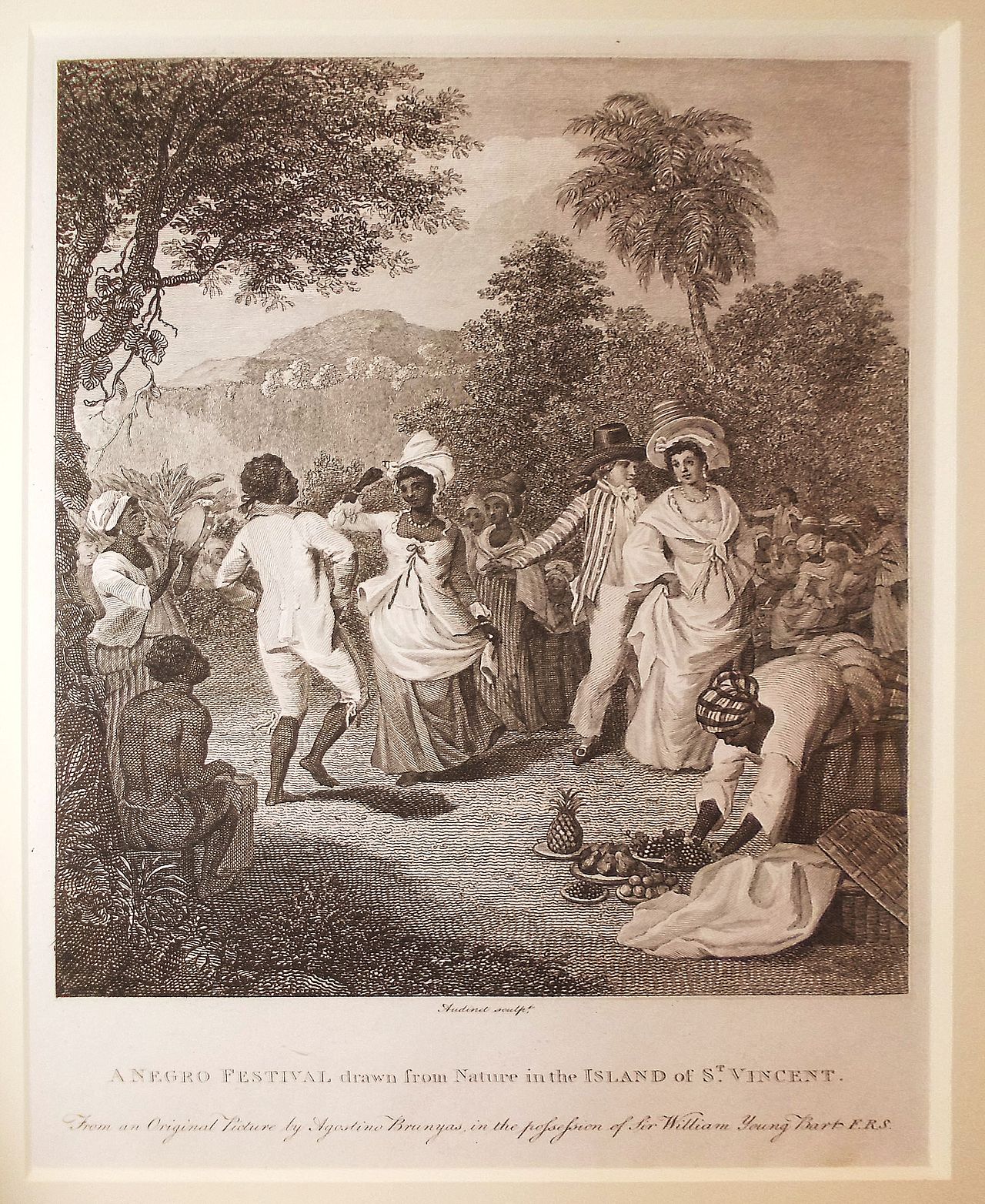
Prior to European contact the island was inhabited by indigenous Caribbean peoples and later became home to a mixed African–Carib community often referred to as the Black Caribs or Garifuna. In the 18th century Saint Vincent was contested between European powers; French and British influence alternated before Britain established firm colonial control. The late 18th century saw violent conflict and the forced removal of many islanders, events that remain central to local memory and identity. In the 20th century the island participated in the broader political movement toward self-government and national independence within the Commonwealth.
Population, culture and society
English is the official language and the island's culture reflects African, indigenous and European influences in music, cuisine, festivals and religious life. Community ties, migration and diasporic connections shape contemporary society; many citizens maintain family and economic links with overseas communities while sustaining local traditions.
Economy and infrastructure
The economy combines agriculture, services and tourism. Historically, small-scale export agriculture such as bananas and root crops was important; today tourism, fisheries, port services in Kingstown and remittances are significant contributors to livelihoods. Transport infrastructure includes the principal port at Kingstown and an international airport serving regional and international routes, which have improved access for visitors and trade.
Conservation and challenges
Conservation initiatives address forest protection, coastal reef health and sustainable fisheries, while also balancing community needs for land and resources. The island faces common Caribbean challenges such as volcanic hazards, tropical storms, coastal erosion and the need to adapt to climate variability. Efforts by government, local organizations and international partners focus on disaster preparedness, sustainable tourism and biodiversity protection.
Further reading
- General information about the island: Saint Vincent.
- Context on the wider nation and the island chain: Saint Vincent and the Grenadines.
- Historical context on European involvement: French and British colonial history.
Related articles
Author
AlegsaOnline.com Saint Vincent (island) — geography, history, and significance Leandro Alegsa
URL: https://en.alegsaonline.com/art/86248