
Saint-Rémy-de-Provence: history, sights and cultural significance
Historic Provençal town in the Alpilles (Bouches‑du‑Rhône), noted for Roman Glanum, Van Gogh’s stay at Saint‑Paul‑de‑Mausole, weekly markets, olive groves and Provençal festivals.

Overview: Saint‑Rémy‑de‑Provence is a small Provençal town and commune in southern France, in the Bouches‑du‑Rhône department. It lies within the Provence‑Alpes‑Côte d'Azur area (PACA) and at the northern edge of the low limestone Alpilles range. The town had roughly 10,000 inhabitants in early 21st‑century counts (2007 data) and is widely visited for its archaeological remains, art heritage and Provençal markets.
Image gallery
9 Images





History and heritage
The locality has been occupied since antiquity. Nearby lie the remains of the Roman town of Glanum, with a triumphal arch and necropolis that illustrate the area’s importance in Roman and pre‑Roman times. During the medieval and early modern periods Saint‑Rémy grew around its parish and convent buildings; its narrow lanes and stone houses preserve a strong historic character. The town’s layers of history are visible in archaeological sites, parish churches and in the layout of the old centre.
Artistic and cultural significance
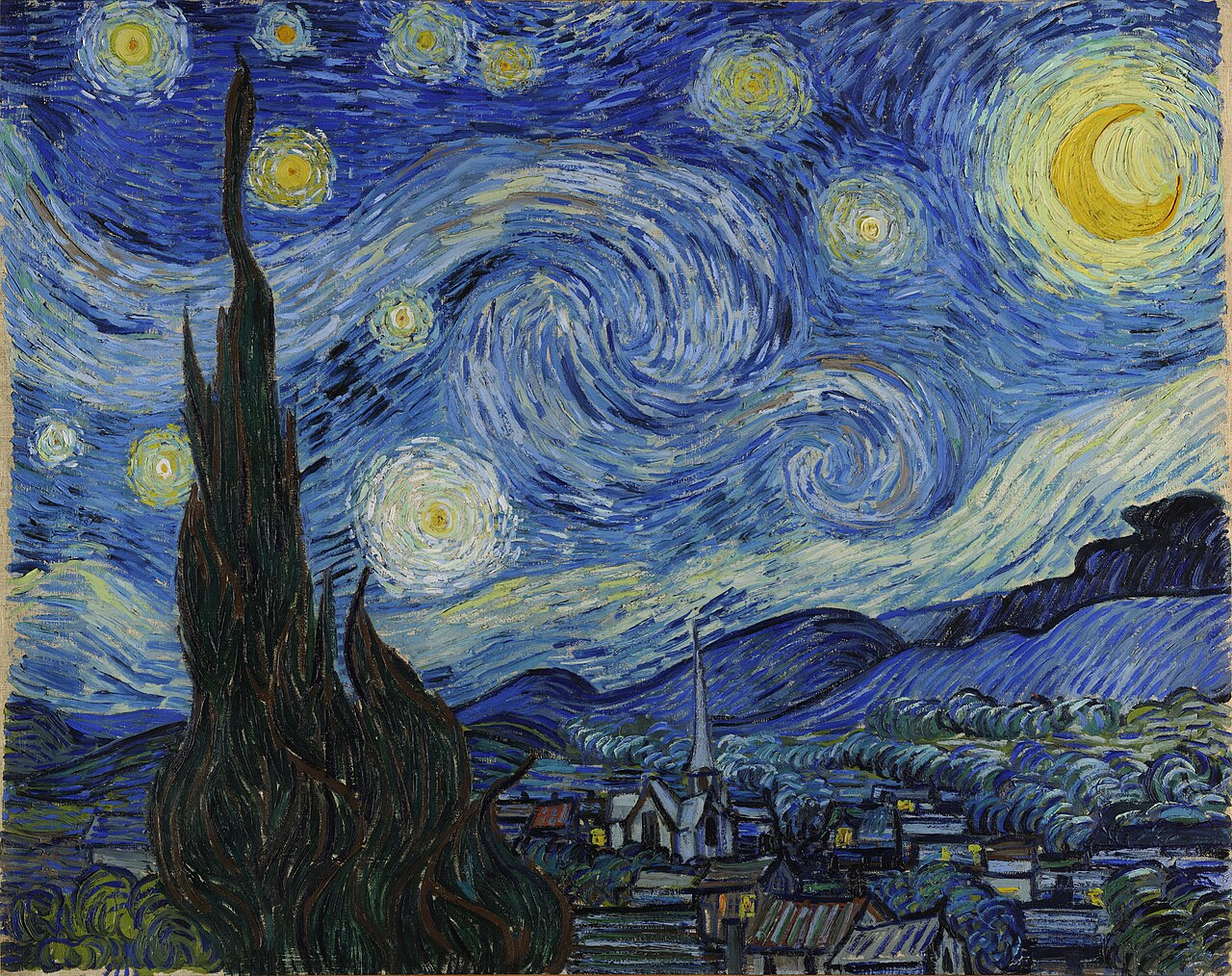
Saint‑Rémy is internationally associated with Vincent van Gogh, who was a patient at the former monastery asylum of Saint‑Paul‑de‑Mausole on the town’s outskirts in 1889–1890. There he painted many canvases inspired by the local landscape, including cypresses, olive groves and the Alpilles ridges. The asylum and locations linked to his stay are focal points for visitors and art scholars interested in his work and life.
Sights and visitor highlights
- Glanum: an open‑air archaeological site with Roman monuments and a museum area offering context about ancient settlement techniques and trade.
- Saint‑Paul‑de‑Mausole: a former monastic complex and asylum, interpreted for Van Gogh’s work and daily life during his stay.
- Old town and market: weekly Provençal market, craft shops, stone facades and shaded squares reflecting traditional regional life.
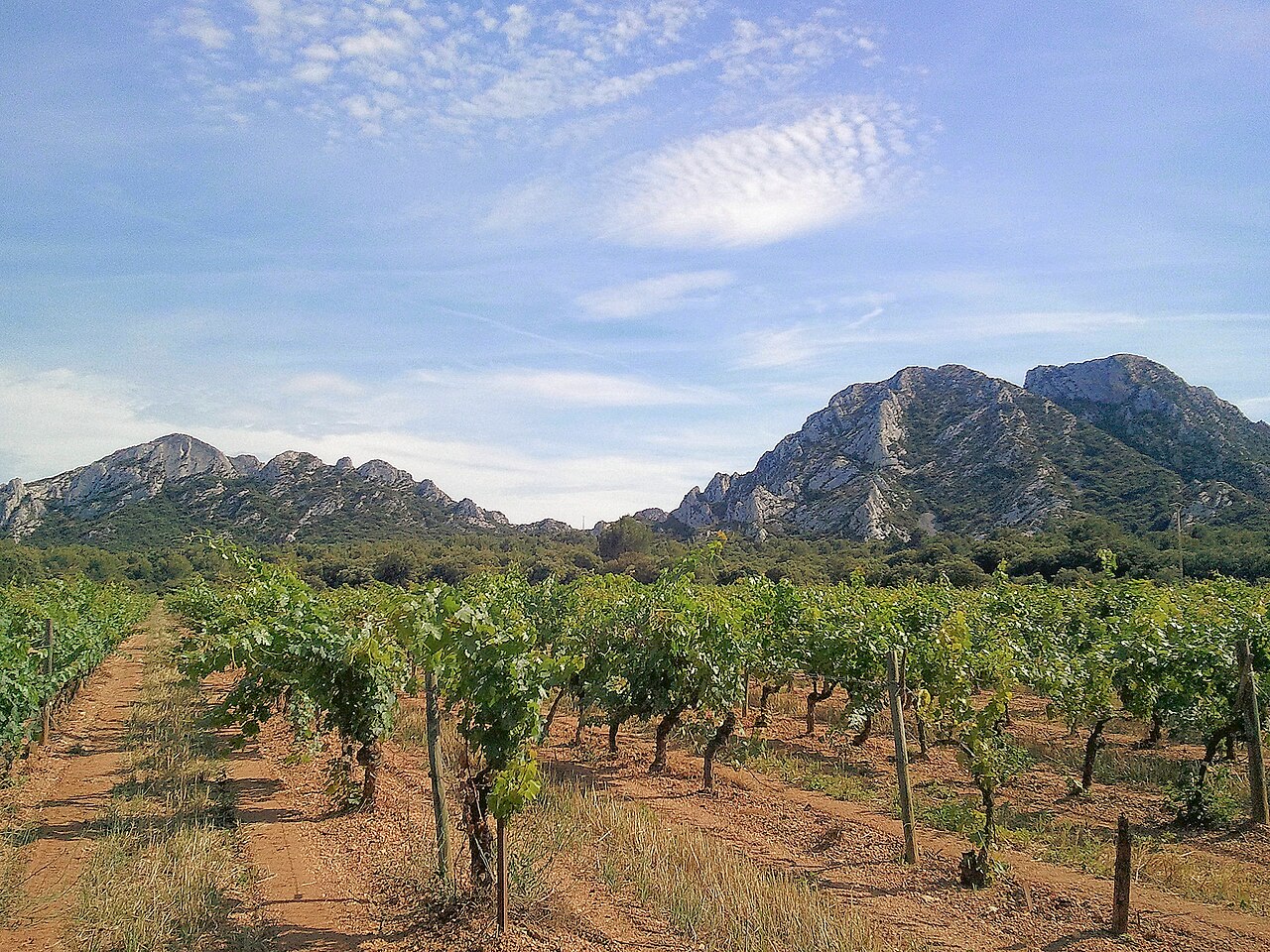
- Trails and landscapes: walking routes into the Alpilles, olive groves, vineyards and panoramic viewpoints over the limestone plateaus.
Local life, festivals and economy
Saint‑Rémy retains a rural‑urban mix: agriculture (notably olives and wines), small artisans and tourism form the economic base. The town hosts regular markets and seasonal festivals celebrating Provençal food, music and traditional crafts. Local museums and cultural programmes present rotating exhibitions and events that highlight both heritage and contemporary practice.
Practical information
The town is accessible by regional roads and public transport connections from larger centres in Provence. Visitor services and municipal information can be consulted through official channels; for administrative and local services see the department pages and for broader regional information the regional guides. Additional tourist resources and practical travel advice are available via online and local tourist offices (tourism guide).
For historical references and dedicated studies consult archaeological publications and art histories, and for up‑to‑date visitor details the town’s official notices and regional tourism sites provide schedules, conservation notices and seasonal events (commune site, population and statistics, region, department, department resources, tourist information).
Saint‑Rémy‑de‑Provence thus combines archaeological significance, literary and artistic associations, and a living Provençal culture that continues to attract visitors interested in history, art and rural Mediterranean landscapes.
Related articles
Author
AlegsaOnline.com Saint-Rémy-de-Provence: history, sights and cultural significance Leandro Alegsa
URL: https://en.alegsaonline.com/art/86141