
Saint-Quentin (Aisne)
Saint-Quentin is a northern French commune in Aisne, historically in Picardy, known for its large Gothic basilica, canal, industrial heritage and extensive post‑World War I Art Deco reconstruction.
Overview
Saint-Quentin is a commune and sub-prefectural town in the Aisne department of northern France. Historically part of Picardy (Picardie), it grew where waterways and roads meet, becoming a regional market and industrial centre. The town is crossed by the Canal de Saint-Quentin, which shaped its commerce and urban layout.
Image gallery
8 Images


History
The place takes its name from Saint Quentin, a Christian missionary traditionally martyred there in the Roman era. Medieval development clustered around a major collegiate church and markets. Like many towns in the region, Saint-Quentin experienced industrial expansion from the 18th century, particularly in textiles and manufacturing. Intense fighting and occupation in World War I caused heavy destruction; much of the central area was rebuilt in the 1920s and 1930s.
Landmarks and architecture
Key sights reflect the town’s layered past, from medieval to early 20th-century styles. Notable examples include:
- The basilica — a large Gothic church that dominates the skyline.
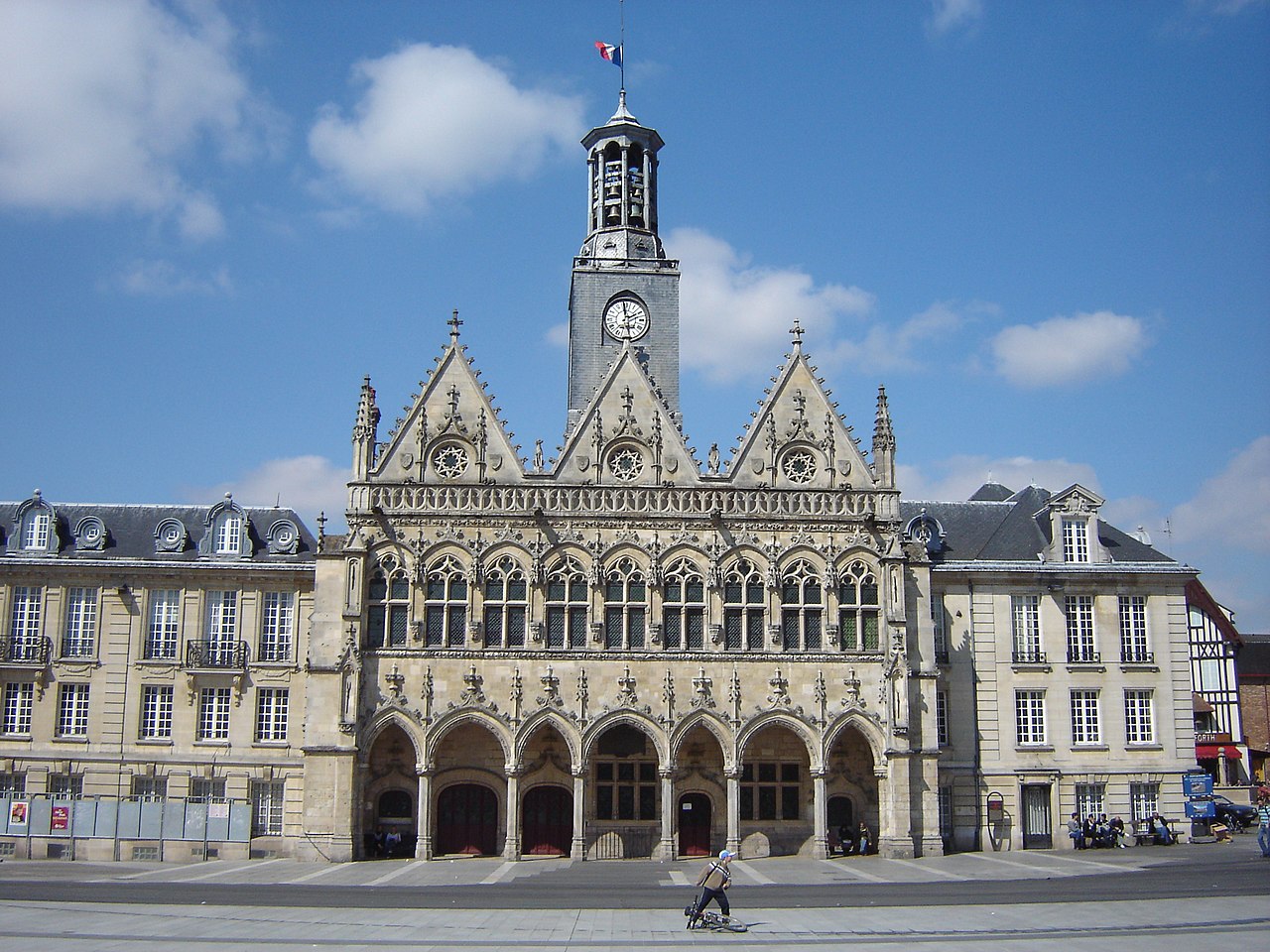
- Civic buildings and façades — many rebuilt after World War I with Art Deco elements.
- Canal and bridges — the Canal de Saint-Quentin remains visible in the townscape.
Economy and transport
Historically driven by textiles and related industries, the local economy later diversified into manufacturing, logistics and services. Saint-Quentin is linked by regional rail and road networks and benefits from inland waterways for freight. Its role as an administrative centre is underscored by its status as a sub-prefecture.
Culture and contemporary life
The town retains museums, public squares and cultural programming that reflect both its medieval heritage and interwar reconstruction. Annual events, local markets and preservation efforts draw visitors and residents interested in architecture, history and regional culture.
Notable distinctions
Saint-Quentin exemplifies towns that combine historic monuments with visible reconstruction after major 20th-century conflict. Its name, waterways and built fabric make it a representative example of northern French urban development across centuries.
Related articles
Author
AlegsaOnline.com Saint-Quentin (Aisne) Leandro Alegsa
URL: https://en.alegsaonline.com/art/86130