
Saint-Paul-du-Vernay (commune in Calvados, Normandy, France)
Saint-Paul-du-Vernay is a small rural commune in the Calvados department of Normandy, northwest France. Overview of its geography, history, administration, economy and places of interest.
Overview
Saint-Paul-du-Vernay is a rural commune in northwestern France. It is formally recognised as a commune (local administration) and lies within the historic area long known as Basse-Normandie. Today it is part of the administrative arrangements of the Normandy region.
Image gallery
1 Image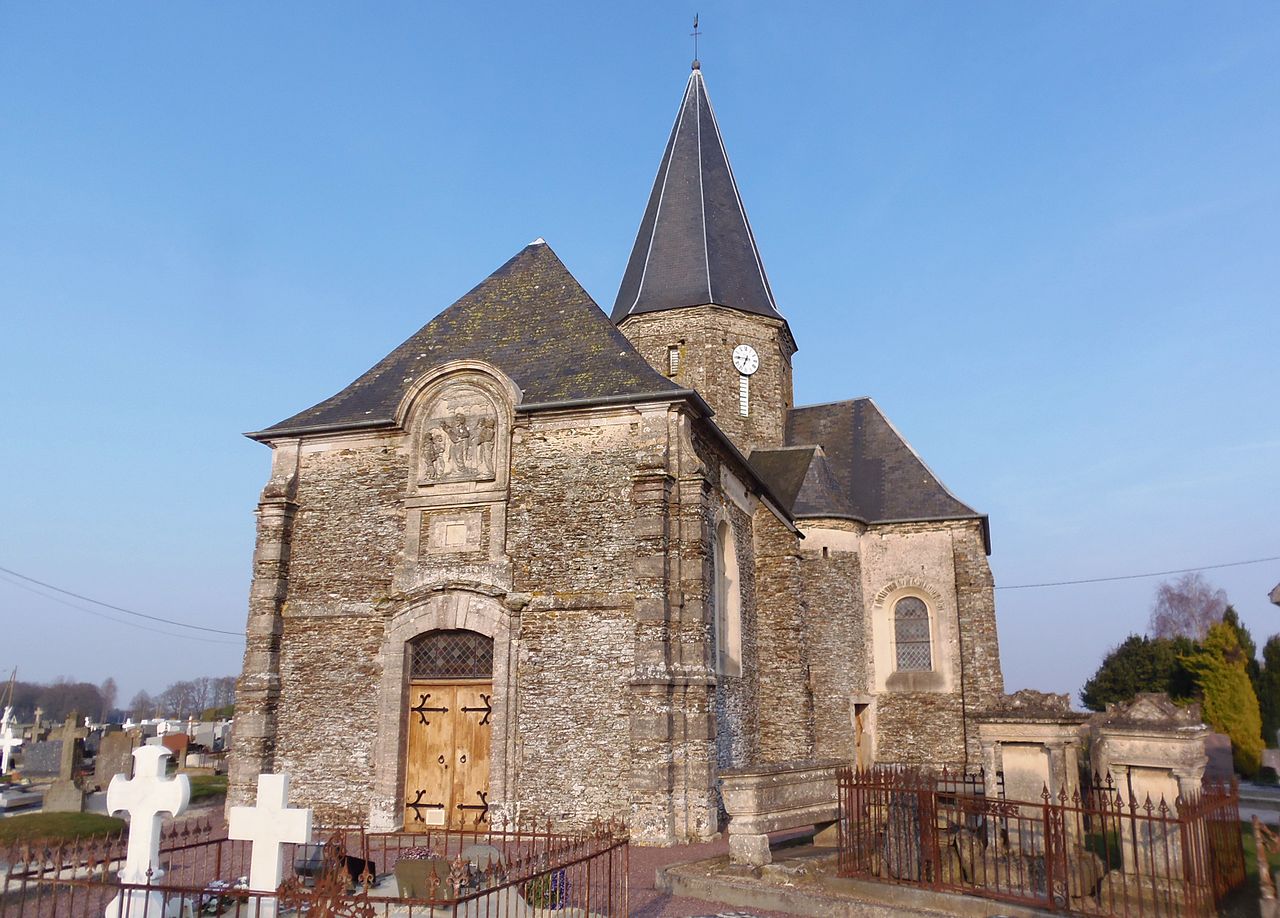
Geography and administration
The commune is situated in the Calvados department, a territory that combines coastal zones and inland bocage landscapes (Calvados). Historically associated with Basse-Normandie, the locality now falls under the broader regional framework of Normandy after recent territorial reforms. The local council (mairie) administers municipal services typical of French communes.
History and development
Like many settlements in the region, Saint-Paul-du-Vernay grew around a parish and agricultural hamlets. The surrounding area has medieval roots and later rural development. In the 20th century the wider Calvados area was affected by the events of the 1944 Normandy campaign; traces of that period form part of local memory and landscape.
Economy, culture and daily life
The local economy is mainly rural and agricultural in character. The broader Calvados department is known for apple orchards, cider and eaux-de-vie called calvados, and such agri-food traditions influence local culture. Community life typically revolves around the mairie, the church, seasonal festivals and markets that are common to small Norman communes.
Landmarks and points of interest
- Parish church and traditional stone farmhouses reflecting local architecture.
- Bocage countryside and lanes that attract walkers and those exploring rural Normandy.
- Nearby historic towns and commemorative sites related to 20th-century events.
Practical information
Visitors and residents access Saint-Paul-du-Vernay via departmental roads and by travelling from larger regional centres. Municipal services, local associations and agricultural activity shape everyday life. For broader context about the country and national services see France.
Related articles
Author
AlegsaOnline.com Saint-Paul-du-Vernay (commune in Calvados, Normandy, France) Leandro Alegsa
URL: https://en.alegsaonline.com/art/86037