
Saint-Montan — hilltop commune in Ardèche, France
Saint-Montan is a historic hilltop commune in Ardèche, southern France, noted for its medieval remains, compact stone village, rural scenery and local cultural events that attract walkers and visitors.
Overview
Saint-Montan is a small rural commune in the Ardèche département of the Auvergne-Rhône-Alpes region in southern France. Perched on a hill above farmland and woodland, it preserves a compact historic centre with visible medieval remains and a village plan shaped by defensive needs. The settlement combines everyday residential life with seasonal tourism and cultural activity, and it is administered within the French communal system.
Image gallery
2 Images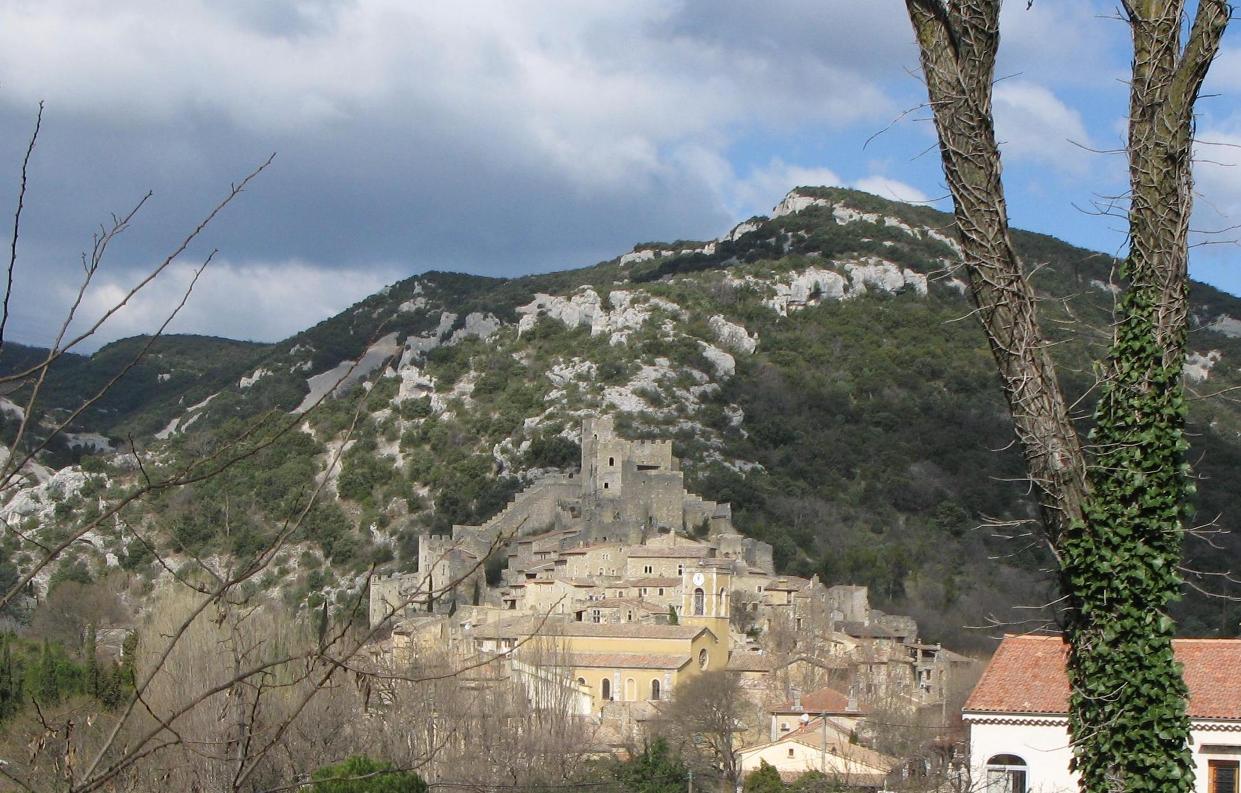

Geography and character
The surrounding landscape mixes limestone slopes, cultivated terraces and patches of Mediterranean-influenced vegetation. The village overlooks small valleys and lanes that link farms, hamlets and local roads. Narrow streets, stone houses with traditional tiled roofs and elevated viewpoints contribute to an intimate, historic atmosphere. The climate shows both Mediterranean and continental influences, which supports a variety of outdoor activities year-round.
History and built heritage
Saint-Montan has medieval origins: the village core developed around a fortified site and an associated religious centre. Visitors can observe remnants of fortifications and ecclesiastical buildings that attest to a lengthy inhabited past. Over centuries the community adapted its fortifications and dwellings to changing needs while retaining the historic street pattern. Conservation efforts and careful reuse of old buildings help maintain the village character.
Economy, culture and tourism
The local economy blends agriculture, small enterprises and tourism. Farmers work plots in the valleys and slopes and local producers contribute to markets and seasonal events. Small guest accommodations, cafés and craft shops serve visitors drawn by history, walking routes and village festivals. Cultural life typically includes markets, temporary exhibitions and occasional concerts or open-air fêtes, reflecting regional traditions.
Notable features and visitor information
- Compact historic centre with narrow lanes and traditional stone houses.
- Visible remains of medieval fortifications and old religious buildings.
- Access to rural trails and viewpoints that overlook the Ardèche countryside.
- Local markets, seasonal festivals and craft activities that showcase regional culture.
Practical information and administrative contacts are available from official sources: see the commune's pages for local notices and services commune information, consult the Ardèche departmental site for broader services and transport Ardèche department, and refer to departmental administrative resources for formal procedures departmental services. General visitor guidance for the wider region can be found through regional tourism resources southern France tourism.
Related articles
Author
AlegsaOnline.com Saint-Montan — hilltop commune in Ardèche, France Leandro Alegsa
URL: https://en.alegsaonline.com/art/85999