
Saint-Gobain (Aisne): commune, history and local features
Saint-Gobain is a small commune in the Aisne department of northern France, known for its woodland, abbey ruins and historical link to the glassmaking company that bears its name.
Saint-Gobain is a commune in northern France. The settlement lies within the historic Picardie area, now part of the Hauts-de-France region, and is administratively in the Aisne department. For general reference information see the local commune page and regional summaries of Picardie. It occupies a largely rural landscape typical of northern France, where woodland and agricultural plots shape the local economy.
Image gallery
2 Images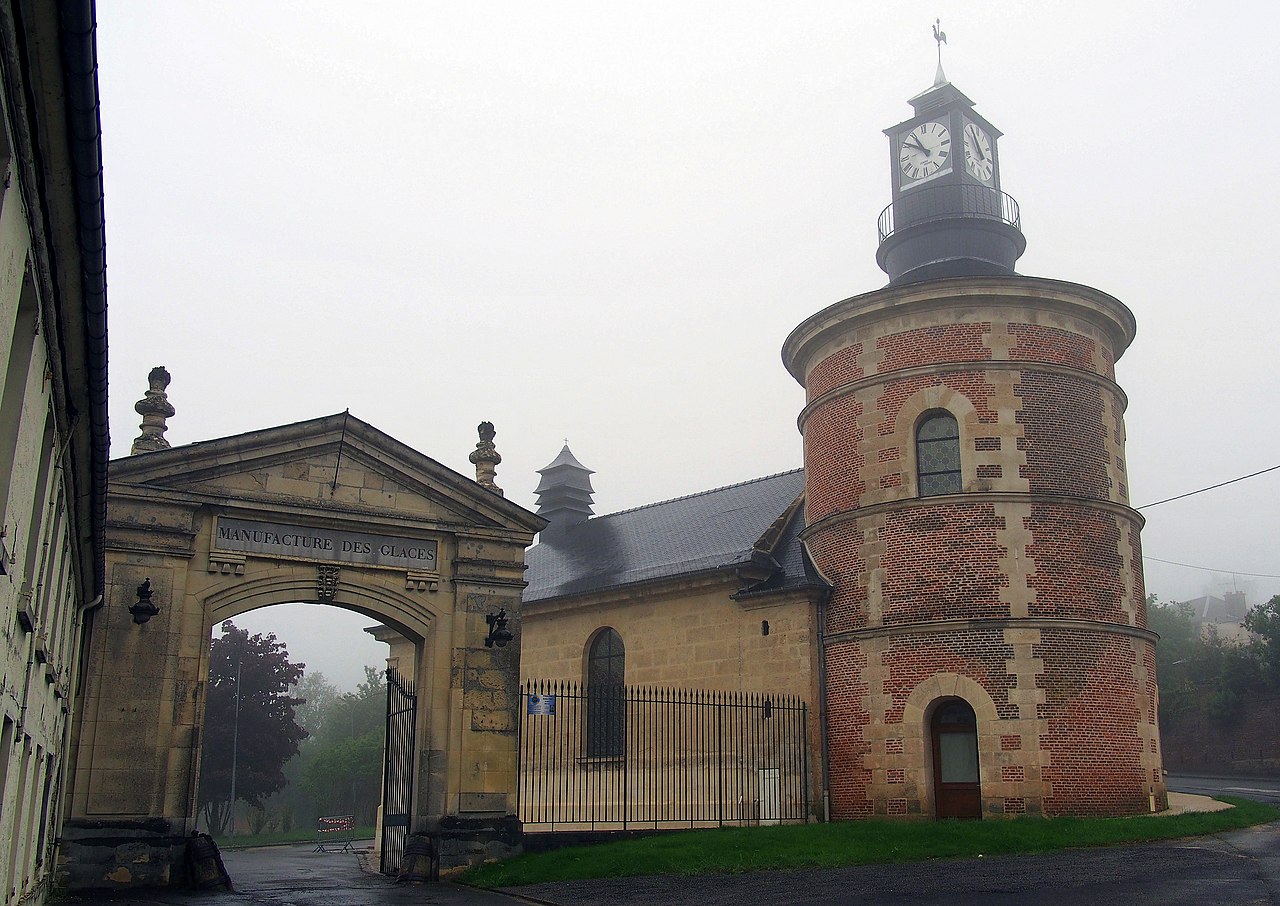

History and name
The village takes its name from Saint Gobain, a 7th‑century hermit venerated in the area. Over centuries a small abbey and associated religious sites developed here; remnants of that medieval religious presence are a notable part of the local heritage. The place name also provided the inspiration for the name of the French glass and construction multinational, which has historical roots in the broader region.
Geography and administration
Saint-Gobain sits amid mixed forest and farmland. The commune is governed as part of the Aisne departmental structure and shares administrative, school and municipal services with neighbouring villages. The surrounding Forest of Saint-Gobain is an important natural feature, used for recreation and forestry management.
Economy and community
The local economy is characterised by small‑scale agriculture, forestry and services that support residents and visitors. The population is modest and the community retains a rural character; local events and municipal life are typical of small French communes with an emphasis on preserving landscape and heritage.
Points of interest
- Ruins and sites associated with the medieval abbey and the cult of Saint Gobain.
- Woodland trails in the Forest of Saint-Gobain, popular for walking and nature observation.
- The village church and traditional rural architecture reflecting local history.
- Connections in local memory and industry to the Saint‑Gobain name and glassmaking traditions.
Visitors often combine a stop in Saint-Gobain with wider exploration of the Aisne countryside. For administrative or tourist enquiries consult the commune's information pages and regional guides linked above, and follow local signage when exploring wooded routes or historical sites.
Related articles
Author
AlegsaOnline.com Saint-Gobain (Aisne): commune, history and local features Leandro Alegsa
URL: https://en.alegsaonline.com/art/85674