
Saint-Georges-en-Auge (former commune in Calvados, France)
Former rural commune in the Pays d'Auge of Calvados, northwest France; merged into the new commune Saint-Pierre-en-Auge on 1 January 2017. Typical Norman bocage landscape with agricultural heritage.
Saint-Georges-en-Auge was a small rural commune in the Calvados department of northwest France. The settlement lay within the historical area known as the Pays d'Auge and belonged administratively to the region long called Basse-Normandie. It is recorded as a former commune after an administrative consolidation that took effect on 1 January 2017, when it joined the newly created entity Saint-Pierre-en-Auge.
Image gallery
1 Image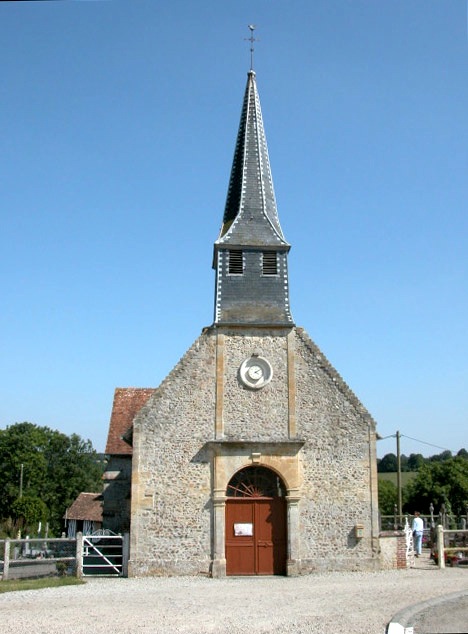
Geography and landscape
The locality exemplifies the Norman bocage: small fields and hedgerows, pastures, and apple orchards that shape the rolling landscape. As part of the Calvados department, the area shares a temperate, oceanic climate and rural land use patterns typical of northwestern France. Small lanes, a village nucleus and scattered farms characterise its settlement pattern rather than dense urban development.
Name and origins
The place-name combines a dedication to Saint George with the regional tag "en-Auge," indicating location in the Pays d'Auge. Like many French communes, its identity developed around a parish and agricultural community over many centuries; specific archival details are recorded in departmental sources and local registers.
Administration and recent history
Administratively Saint-Georges-en-Auge functioned as an independent commune until the wave of municipal reorganisations in the 2010s. Regional reforms created larger intercommunal structures and, in this case, the new commune of Saint-Pierre-en-Auge absorbed several small communes to streamline governance and share local services.
Economy and cultural features
Economic life in and around Saint-Georges-en-Auge has traditionally centered on agriculture: dairy production, cattle grazing and apple growing are common in the Pays d'Auge. The wider area is known for cider, calvados (apple brandy) and cheeses associated with Normandy; heritage buildings such as parish churches and farmsteads contribute to local character and modest tourism appeal.
- Department: Calvados
- Historical region: Basse-Normandie
- Country: France
- Status: merged into Saint-Pierre-en-Auge on 1 Jan 2017
- Entry on local records: former commune file
Related articles
Author
AlegsaOnline.com Saint-Georges-en-Auge (former commune in Calvados, France) Leandro Alegsa
URL: https://en.alegsaonline.com/art/85620
Sources
- legifrance.gouv.fr : Arrêté préfectoral