
Sablières — commune in Ardèche, southern France
Sablières is a small commune in the Ardèche department of southern France. This article outlines its location, landscape, governance, historical context, economy and visitor information.
Overview
Sablières is a French locality identified as a commune in the Ardèche département, situated in southern France. Like many communes in the region, it functions as the lowest tier of local government, centred on a village or small settlement and its surrounding hamlets and countryside.
Image gallery
1 Image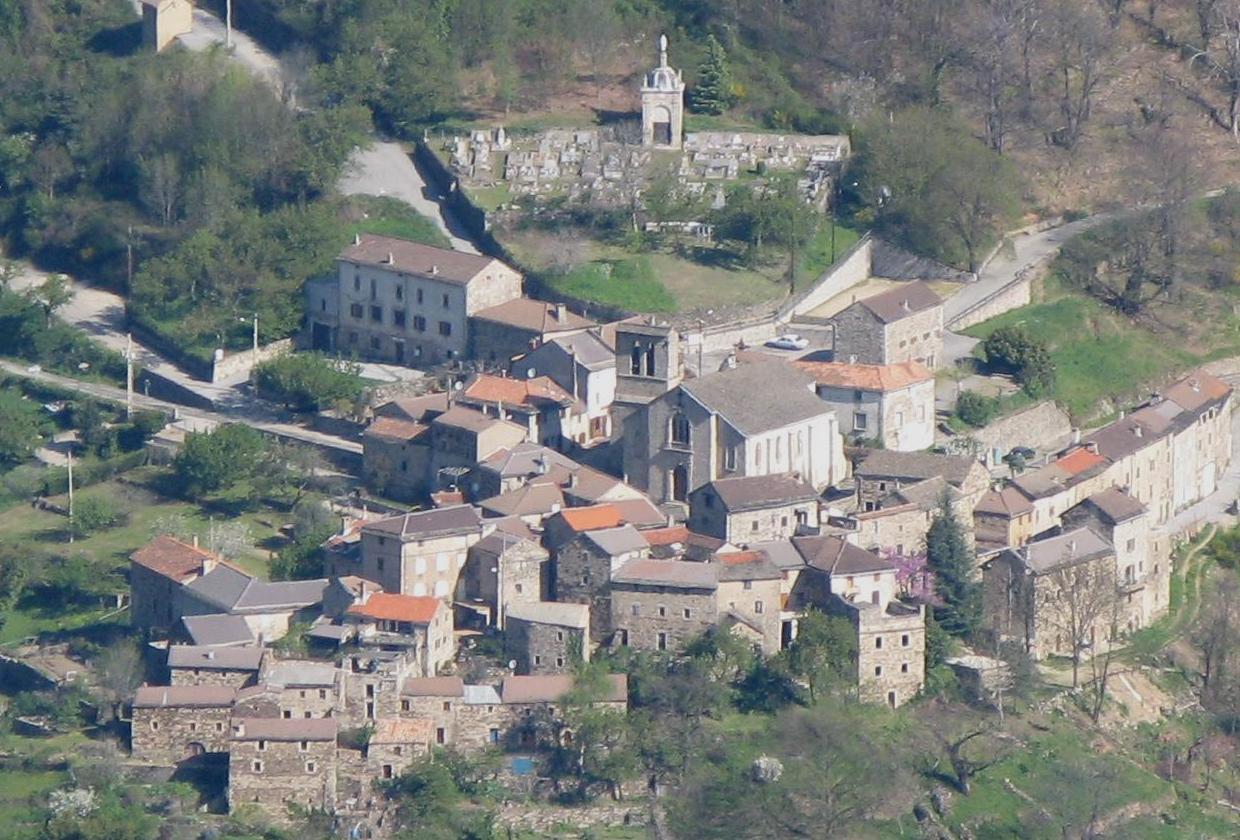
Geography and environment
The area around Sablières typically features the varied terrain associated with Ardèche: rolling hills, forested slopes and river valleys. Vegetation and land use often combine mixed woodland, pasture and small-scale agriculture. The local climate is influenced by Mediterranean and mountain patterns, giving warm summers and cool winters in higher places.
History and development
The history of communes in Ardèche spans prehistoric occupation, Roman influence and medieval settlement growth. While specific historical details for Sablières vary, such communes usually developed around agricultural activity, local roads and parish or seigneurial centres. Over time they adapted to changes in rural economy and administrative reforms introduced after the French Revolution.
Administration, economy and services
As a commune, Sablières is administered by a municipal council and mayor, responsible for local services, planning and community life. The local economy is commonly based on agriculture, forestry and small businesses; some residents commute to nearby towns for work. Public services in rural communes include a town hall (mairie), elementary schooling in some cases, and links to intercommunal structures for wider services.
Points of interest and visitor information
Visitors to small Ardèche communes often value natural scenery, walking paths and traditional village architecture. Practical information for visitors generally includes local access by departmental roads, seasonal opening hours for services, and opportunities for outdoor recreation such as hiking and nature observation.
Notable facts and context
- Sablières participates in the longstanding system of French communes, each with its own municipal identity.
- It shares cultural and environmental characteristics with the wider Ardèche area, known for rural landscapes and regional traditions.
- For detailed, up-to-date information on administration, events or tourism, consult the commune's mairie or the departmental resources.
Related articles
Author
AlegsaOnline.com Sablières — commune in Ardèche, southern France Leandro Alegsa
URL: https://en.alegsaonline.com/art/85110