
Royal Tunbridge Wells — spa town and borough in Kent, England
Royal Tunbridge Wells is a historic spa town in Kent, England, known for the Pantiles, Georgian and Victorian architecture, green commons and its heritage as a fashionable 17th–18th century resort.
Overview
Royal Tunbridge Wells is a town in the county of Kent, England. It lies close to the boundary with East Sussex and forms the principal settlement of the borough of Tunbridge Wells. Its formal title includes "Royal," reflecting a long history of patronage and civic recognition. The place is sometimes called simply Tunbridge Wells and should not be confused with the smaller market town of Tonbridge, to the north.
Image gallery
10 Images




History and origins
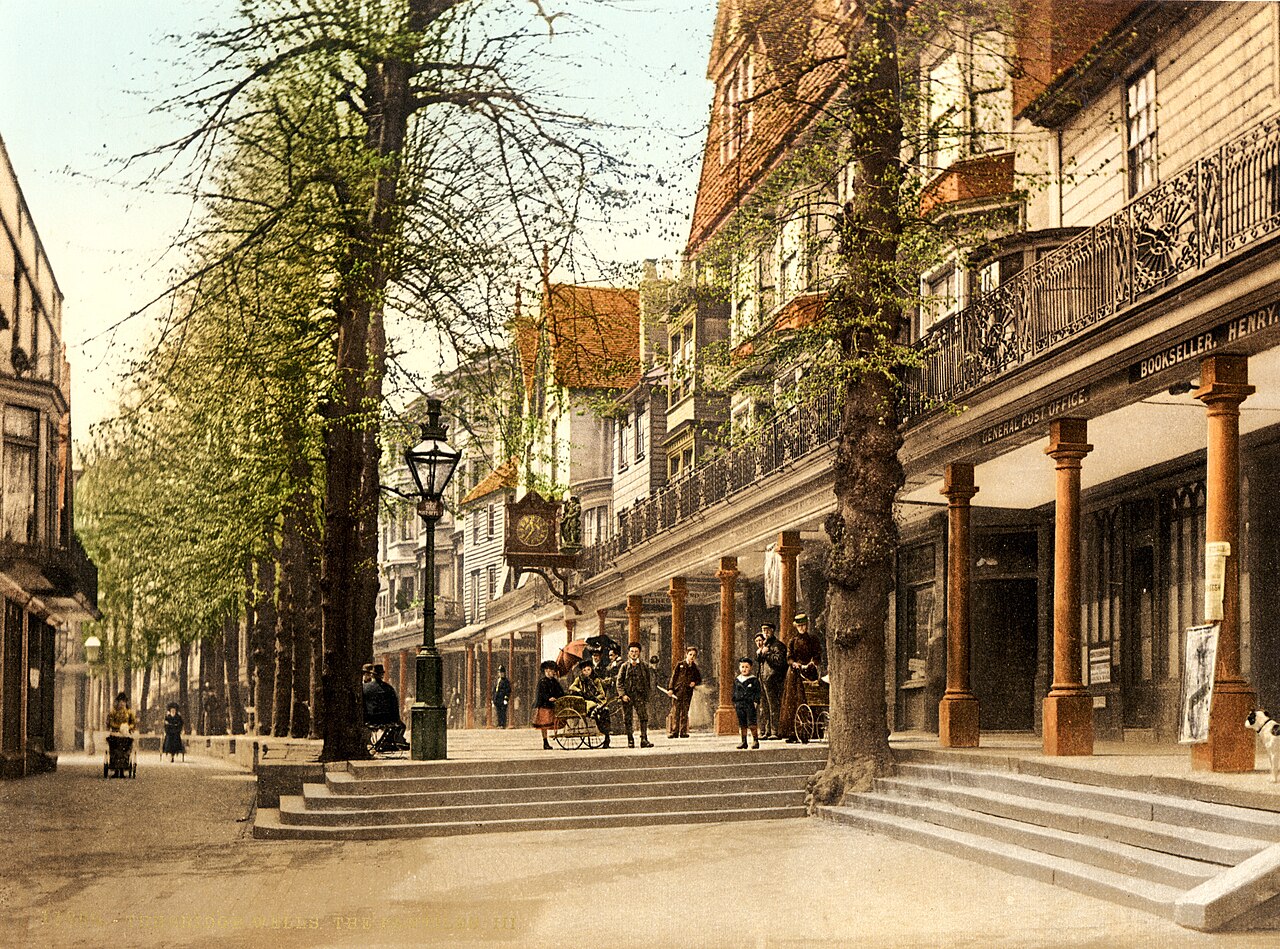
The town grew up around a chalybeate spring that attracted visitors seeking health benefits from mineral waters. From the 17th century onward it developed into a fashionable resort, particularly in the 18th century when promenading and social gatherings became central to its character. Spa visitors and resident gentry shaped the early street plan and the elegant buildings that survive in parts of the town centre.
Character and notable places
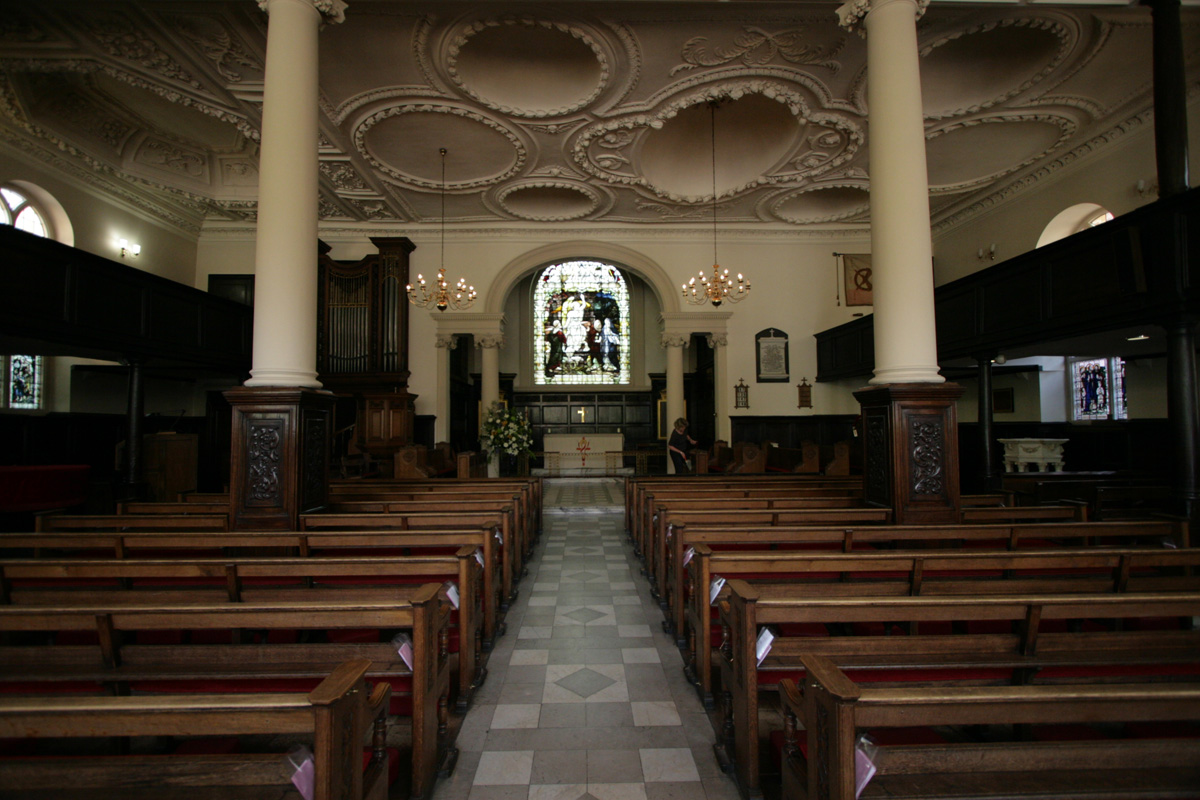
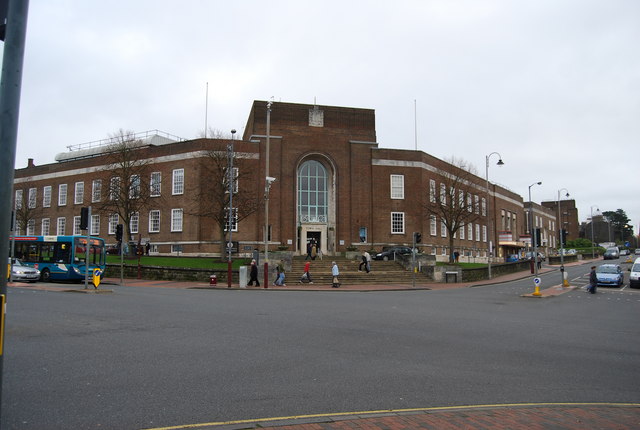
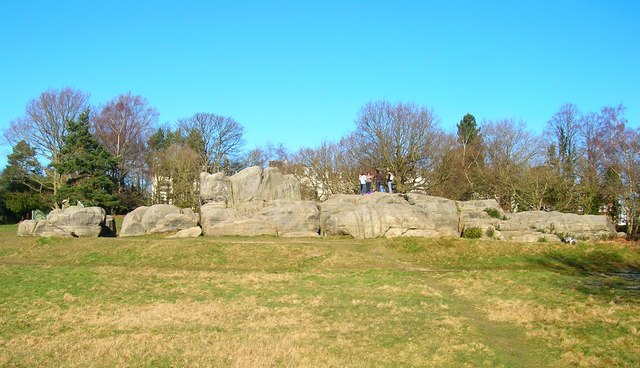
Royal Tunbridge Wells combines preserved Georgian and Victorian architecture with modern shops and cultural venues. The most recognisable area is the Pantiles, a colonnaded promenade of shops, cafés and galleries that preserves the historic atmosphere of the spa era. The town also has formal parks and commons, such as Calverley Grounds and Tunbridge Wells Common, which provide open space for recreation and events.
Transport, economy and culture
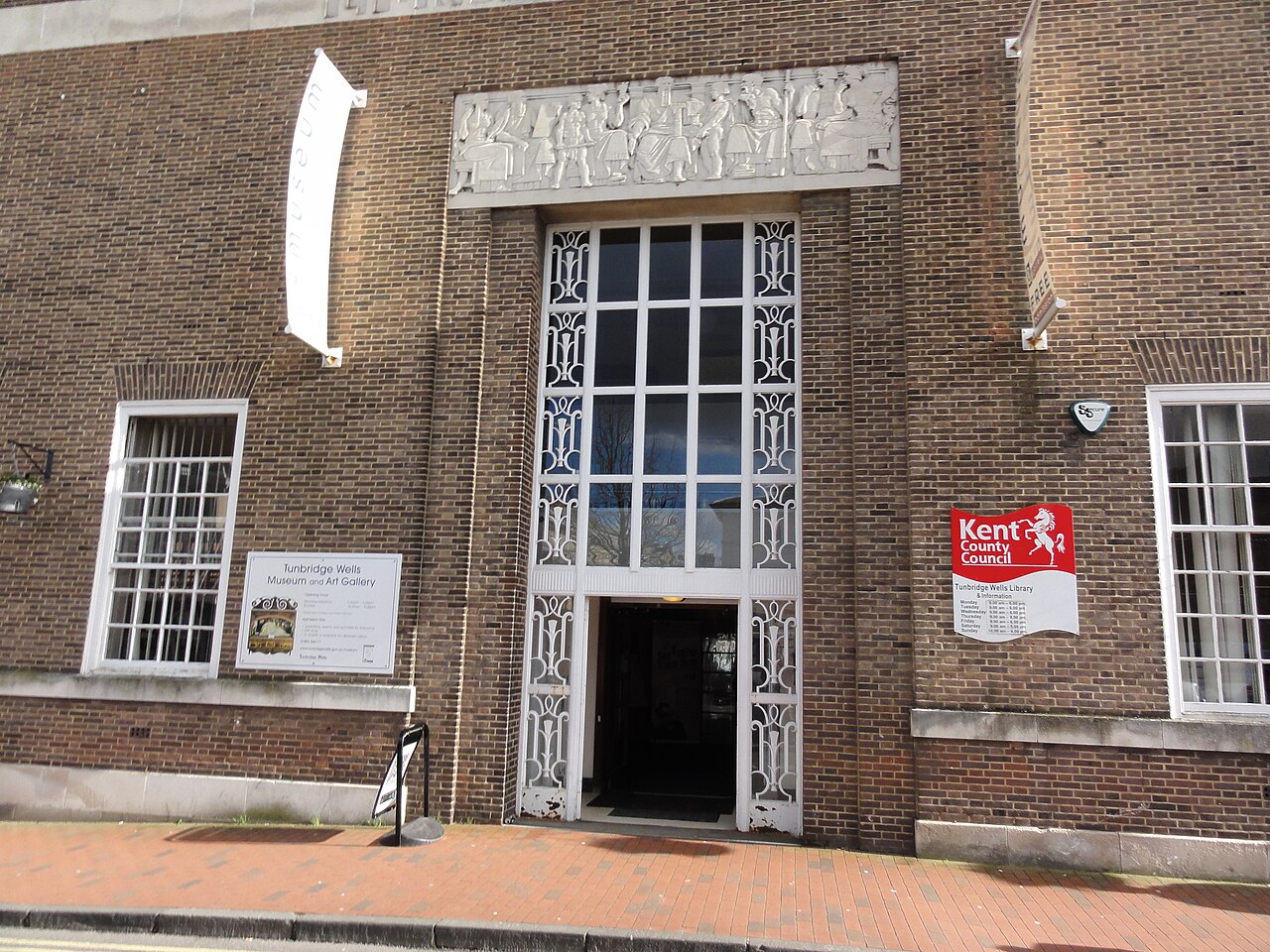
Today the town functions as a local commercial hub and a commuter base for people working in larger cities. It is served by road and rail links that connect it to surrounding towns and the capital. Cultural life includes a museum and art gallery, theatres, regular markets and community festivals that celebrate local history and contemporary arts.
Notable places
- The Pantiles — historic colonnaded promenade and shopping area
- Tunbridge Wells Common — large open space with walking routes
- Calverley Grounds — public park with bandstand and gardens
- Tunbridge Wells Museum & Art Gallery — local history and exhibitions
Visitors are often drawn by the town's blend of heritage and everyday life: architectural interest, accessible green spaces and a compact centre of independent shops and restaurants. Conservation areas protect many buildings, helping retain the distinctive character that grew from its spa-town origins.
Related articles
Author
AlegsaOnline.com Royal Tunbridge Wells — spa town and borough in Kent, England Leandro Alegsa
URL: https://en.alegsaonline.com/art/84516