
Royal Borough of Greenwich
A London borough on the River Thames, noted for the Prime Meridian, Greenwich Mean Time, maritime heritage, historic parks and the Maritime Greenwich UNESCO World Heritage Site.
Overview
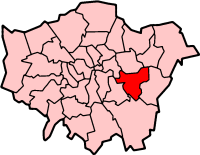
The Royal Borough of Greenwich is an administrative district in southeast London, straddling both banks of the River Thames where it curves southward. It is widely recognised for its maritime history and role in global timekeeping: the Prime Meridian and the Royal Observatory at Greenwich established the reference for Greenwich Mean Time (GMT). The borough combines dense urban areas with long-established parks and riverfront landscapes.
Image gallery
10 Images


History and identity
Greenwich has roots that reach back to the medieval and Tudor periods, when royal palaces and naval institutions made the area important to the monarchy and the navy. Over centuries the town developed as a centre for shipbuilding, naval administration and navigation. Much later, nineteenth- and twentieth-century growth, together with transport improvements, integrated surrounding communities into the modern borough.
Geography, districts and landmarks
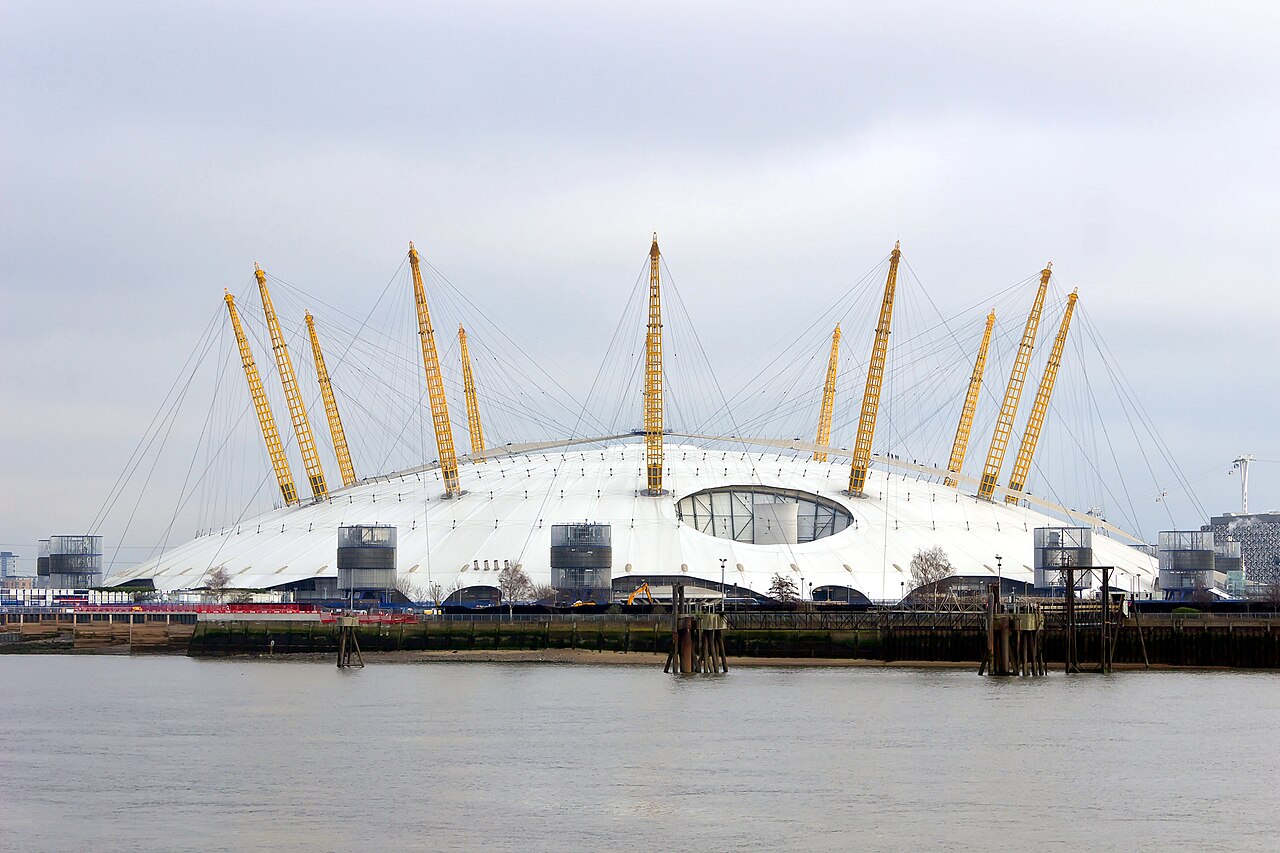
The borough covers a mix of historic town centres and suburban neighbourhoods, including the riverside district of Greenwich itself and other localities such as Woolwich, Charlton, Blackheath and Eltham. Distinctive public spaces and monuments are a major feature of the area.
- Royal Observatory: location of the Prime Meridian and astronomy collections.
- Maritime Greenwich: the Old Royal Naval College, the National Maritime Museum and Greenwich Park.
- Cutty Sark: a nineteenth-century tea clipper preserved as a museum ship.
- Woolwich: historic military and industrial districts undergoing regeneration.
Culture, tourism and significance
Maritime Greenwich, designated as a UNESCO World Heritage Site, attracts visitors for its architecture, museums and views along the Thames. Markets, festivals and arts venues contribute to a lively cultural scene. The borough’s historical associations with navigation and timekeeping have enduring symbolic and educational importance, influencing scientific museums and international recognition.
Transport, economy and administration
Greenwich is served by a mixture of rail, light rail, river services and road links that connect it to central London and Docklands. Notable transport modes include commuter rail services, the Docklands Light Railway (DLR) extensions, river buses and a cable-car connection across the Thames. The local economy blends heritage tourism, public services, retail and newer commercial developments around the river and docklands.
Practical information and further reading
The borough is governed by a local council within Greater London and is one of a small number of boroughs that bear the title "Royal" in recognition of its historical ties to the monarchy. For official information on services, events and visitor guidance see official Greenwich information.
Related articles
Author
AlegsaOnline.com Royal Borough of Greenwich Leandro Alegsa
URL: https://en.alegsaonline.com/art/84433