
Rottnest Island (Wadjemup): overview, wildlife, history and visiting information
Rottnest Island (Wadjemup) lies 18 km off Western Australia. Known for quokkas, beaches, and heritage sites, it combines natural values, Indigenous history, and visitor activities accessible by ferry or private boat.
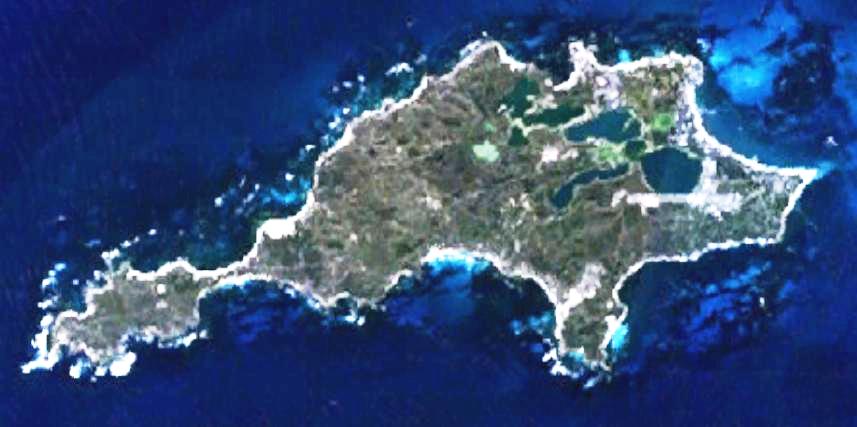
Rottnest Island, also called Rotto and known to the Noongar people as Wadjemup ("land across the water"), sits about 18 kilometres off the coast of Western Australia. The island is a popular holiday destination with sandy bays, rocky headlands and a compact network of trails and roads. Its compact size and car restrictions shape the visitor experience.
Image gallery
10 Images




Natural features and wildlife
Rottnest is formed largely of limestone with coastal dunes, salt lakes and sheltered reefs. Its best-known resident is the quokka, a small marsupial found on the island and celebrated for its friendly appearance. Birdlife, marine species and native vegetation add to its ecological value, and many visit to snorkel, dive or observe animals in a relatively undisturbed setting.
History and cultural significance
The island has long cultural ties to the Noongar people. European visitors named it after sightings of small marsupials in the 17th century. During colonial times Rottnest was used for a variety of purposes, including a penal site and military installations; these layers of history are visible in remaining buildings, lighthouses and interpretive displays.
Visiting and activities
Most visitors arrive by ferry or private boat. Cars are generally limited, so bicycles, shuttle buses and walking are the main ways to get around. Common activities include swimming, snorkeling on reef areas, diving, cycling, wildlife photography and guided heritage tours. Accommodation ranges from day-trip facilities to cabins and campsites.
Management and conservation
The island is managed to balance tourism with protection of natural and cultural values. Conservation measures focus on habitat protection, controlling introduced species and preserving historic structures. Visitors are encouraged to follow guidelines to minimise impact on wildlife and fragile landscapes.
Notable facts
- Wadjemup is the island's traditional Noongar name and reflects its Indigenous significance.
- Quokkas are a key attraction and a conservation priority; feeding wildlife is discouraged.
- Historic sites, a lighthouse and former military works provide insight into the island's varied past.
For practical information on travel options, facilities and seasonal events consult local transport operators and official visitor resources before planning a trip.
Related articles
Author
AlegsaOnline.com Rottnest Island (Wadjemup): overview, wildlife, history and visiting information Leandro Alegsa
URL: https://en.alegsaonline.com/art/84293
Sources
- rottnestisland.com : rottnestisland.com/about/rottnest-history
- rottnestisland.com : rottnestisland.com/about/rottnest-history/arboriginal-history
- rottnestisland.com : rottnestisland.com/about/rottnest-history/colonial-settlement
- rottnestisland.com : rottnestisland.com/about/rottnest-history/penal-settlement
- rottnestisland.com : rottnestisland.com/about/rottnest-history/military-history
- rottnestisland.com : rottnestisland.com/about/flora-and-fauna
- rottnestisland.com : rottnestisland.com/about/getting-to-rottnest