
Rosacea: overview, signs, triggers, types, diagnosis and management
Rosacea is a chronic inflammatory skin condition affecting the central face and sometimes the eyes. This article explains symptoms, subtypes, triggers, diagnosis, treatments and practical management strategies.
Overview
Rosacea is a long-term inflammatory disorder that primarily affects the central face. It most often causes flushing and persistent redness, visible blood vessels, and sometimes acne-like bumps. Although commonly described as a disease of fair-skinned adults, rosacea can occur in any skin type and at various ages. Symptoms typically develop gradually and tend to wax and wane; without recognition and management, changes can become more pronounced over time.
Image gallery
5 Images



Common signs and symptoms
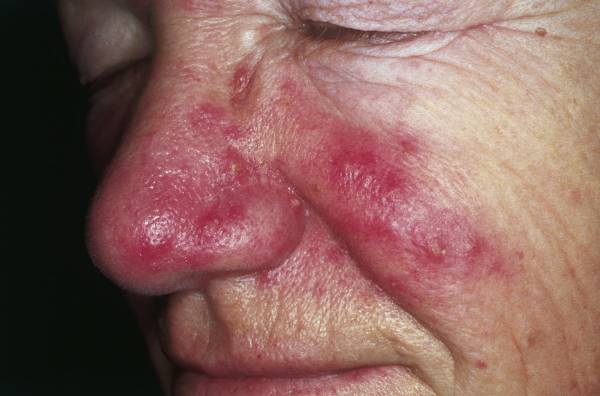
Typical features involve a combination of vascular and inflammatory changes concentrated on the cheeks, nose, forehead and chin. Patients may report episodes of flushing or blushing, a persistent background redness, tiny dilated blood vessels (telangiectasia), and small red bumps or pustules. Other complaints include burning, stinging, skin sensitivity, and visible thickening of the skin in advanced cases. When the eyes are involved, which is called ocular rosacea, symptoms can include redness, irritation, tearing, and a sensation of grittiness.
Subtypes and notable forms
Clinicians often describe rosacea in subtypes to reflect its different presentations. These include primarily vascular redness and flushing; inflammatory papules and pustules resembling acne; skin thickening and enlargement (commonly of the nose, known as rhinophyma); and ocular involvement affecting eyelids and the surface of the eye. For a concise clinical overview, see clinical classification.
Causes and common triggers
The exact cause of rosacea is unknown, but it appears to result from a combination of genetic predisposition, immune system factors, and blood-vessel reactivity. A variety of environmental and lifestyle factors commonly trigger flares. Frequent triggers include:
- Temperature extremes and changes in temperature, including hot or cold weather and rapid temperature shifts — see guidance on environmental precautions at temperature and sun exposure.
- Sunlight and ultraviolet exposure.
- Emotional stress and strong emotions.
- Spicy foods, alcohol and certain hot beverages; further discussion of diet and alcohol is available at alcohol and rosacea triggers.
- Topical irritants, some cosmetics, and certain medications that dilate blood vessels.
Diagnosis
Diagnosis is clinical, based on history and skin appearance. There is no single laboratory test for rosacea. A healthcare professional will evaluate patterns of redness, presence of bumps or visible vessels, and ask about triggers, eye symptoms and family history. When necessary, other causes of facial redness — such as acne, seborrheic dermatitis, lupus or allergic contact dermatitis — are considered and excluded.
Treatment and management
Management aims to control symptoms, reduce flares and minimize progression. Treatments are tailored to the predominant features and may include:
- Topical medications to reduce inflammation and redness.
- Oral antibiotics with anti-inflammatory properties for more widespread papules and pustules.
- Procedural options such as laser or intense pulsed light to diminish visible blood vessels and persistent redness.
- Ophthalmic treatments for ocular involvement, often in collaboration with an eye specialist.
Self-care measures are important: gentle skin cleansing, broad-spectrum sun protection, avoidance of known personal triggers and use of non-irritating moisturizers and cosmetics. Practical patient information and resources can be found through general medical and dermatology references epidemiology and patient guidance.
Course, outlook and notable facts
Rosacea is a chronic condition that varies in severity and impact. Many people have mild symptoms manageable with lifestyle measures and topical treatments. Others experience more persistent or disfiguring changes that benefit from medical therapies and procedural intervention. Early recognition, trigger avoidance and a partnership with a healthcare provider improve outcomes. Research continues into the underlying mechanisms, including immune responses and vascular regulation, to develop better-targeted therapies.
Author
AlegsaOnline.com Rosacea: overview, signs, triggers, types, diagnosis and management Leandro Alegsa
URL: https://en.alegsaonline.com/art/84118