
Rogny-les-Sept-Écluses
Rogny-les-Sept-Écluses is a small commune in the Yonne department of central France, famous for a historic flight of seven rock-cut staircase locks on the Briare Canal, now preserved as a heritage and visitor site.
Overview
Rogny-les-Sept-Écluses is a small rural commune in central France, situated in the Yonne department. The village is best known for a striking engineering monument: a flight of seven consecutive locks cut into the bedrock that once allowed barges to climb a steep river valley on the route of the Briare Canal. The settlement and its locks attract visitors for history, walking and inland-waterway heritage.
Image gallery
6 Images
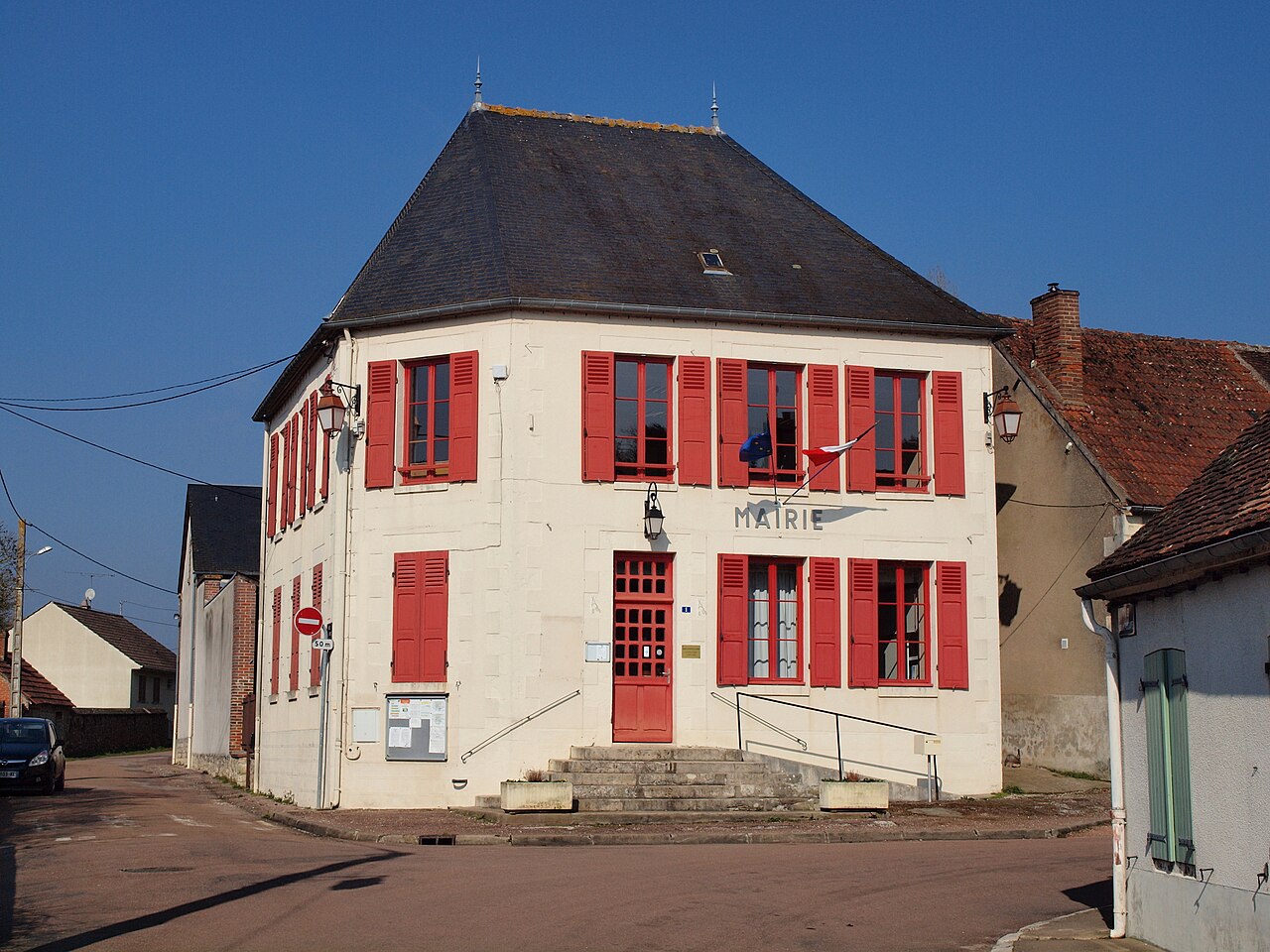


Location and administrative context
The commune lies within the administrative boundaries of Yonne and belongs to the broader territorial region served by nearby towns and services. Local municipal information can be consulted through the commune's own pages and notices, often linked from the official commune portal. The area forms part of the historic landscape of Bourgogne-Franche-Comté in central France and sits within the network of canals and rivers that once linked the Loire and Seine basins.
Historic importance and construction
The seven locks date from the early period of French canal-building and are associated with the creation of the Briare Canal, one of the country's earliest major navigable links. Engineers of the period adopted an unusual solution at Rogny by cutting a sequence of lock chambers directly into the rock to overcome a steep change of level. This rock-cut "staircase" became an important technical solution for moving goods by barge before the industrial-era enlargement of waterways.
Characteristics and preservation
The lock flight consists of successive chambers separated by gates; boats passed from chamber to chamber as water levels were raised or lowered in turn. The stonework and the carved rock remain visible today and the site has been the subject of conservation efforts so that the structural remains and their setting can be appreciated by visitors. Interpretation panels and guided walks help explain how the system worked and why it was significant in early modern inland navigation.
Uses, tourism and local life
Today Rogny-les-Sept-Écluses is valued for heritage tourism and outdoor recreation. Visitors come to view the engineering work, walk beside the canal, and learn about the history of inland navigation in France. The local economy mixes agriculture with services catering to tourists; the site is also a focus for cultural events and seasonal activities that highlight regional craftsmanship and river heritage.
Notable distinctions
- The flight of seven locks is notable for being carved into the bedrock rather than built wholly in masonry above ground.
- It represents an early and practical solution to steep gradients on a major 17th-century canal project.
- Visitors interested in French waterways often pair a visit with other neighbouring canal sights and regional attractions; practical visitor information is available from regional and national tourism resources such as tourist guides.
For further details on access, opening times of interpretation panels and any guided visits, check local notices or the commune's information channels before travelling.
Related articles
Author
AlegsaOnline.com Rogny-les-Sept-Écluses Leandro Alegsa
URL: https://en.alegsaonline.com/art/83741
Sources
- insee.fr : INSEE