
Rochester, Kent
Historic town on the River Medway in Kent, England, noted for its ancient cathedral, Norman castle, Dickens connections, medieval high street and role within the Medway conurbation.
Overview
Rochester is an ancient riverside town in the unitary authority of Medway, in North Kent. It sits on the River Medway and has long been a focal point for trade, administration and ecclesiastical life in the region. The town combines visible layers of Roman, Anglo-Saxon and medieval development with a compact historic centre and a mix of civic and cultural institutions.
Image gallery
8 Images




History
Archaeological and documentary evidence show settlement here since Roman times; the town later rose in importance during the Anglo-Saxon and Norman periods. A cathedral foundation established in the early medieval era anchored Rochester as a religious centre, while successive fortifications reflected its strategic river position. The surviving streets and timber-framed buildings on the High Street preserve the character of its long urban past.
Main landmarks
Several prominent sites draw visitors and researchers:
- Rochester Cathedral — an early medieval episcopal church that remains an active place of worship and a major architectural landmark.
- Rochester Castle — a well-known Norman fortress with a notably tall, largely intact keep set above the river.
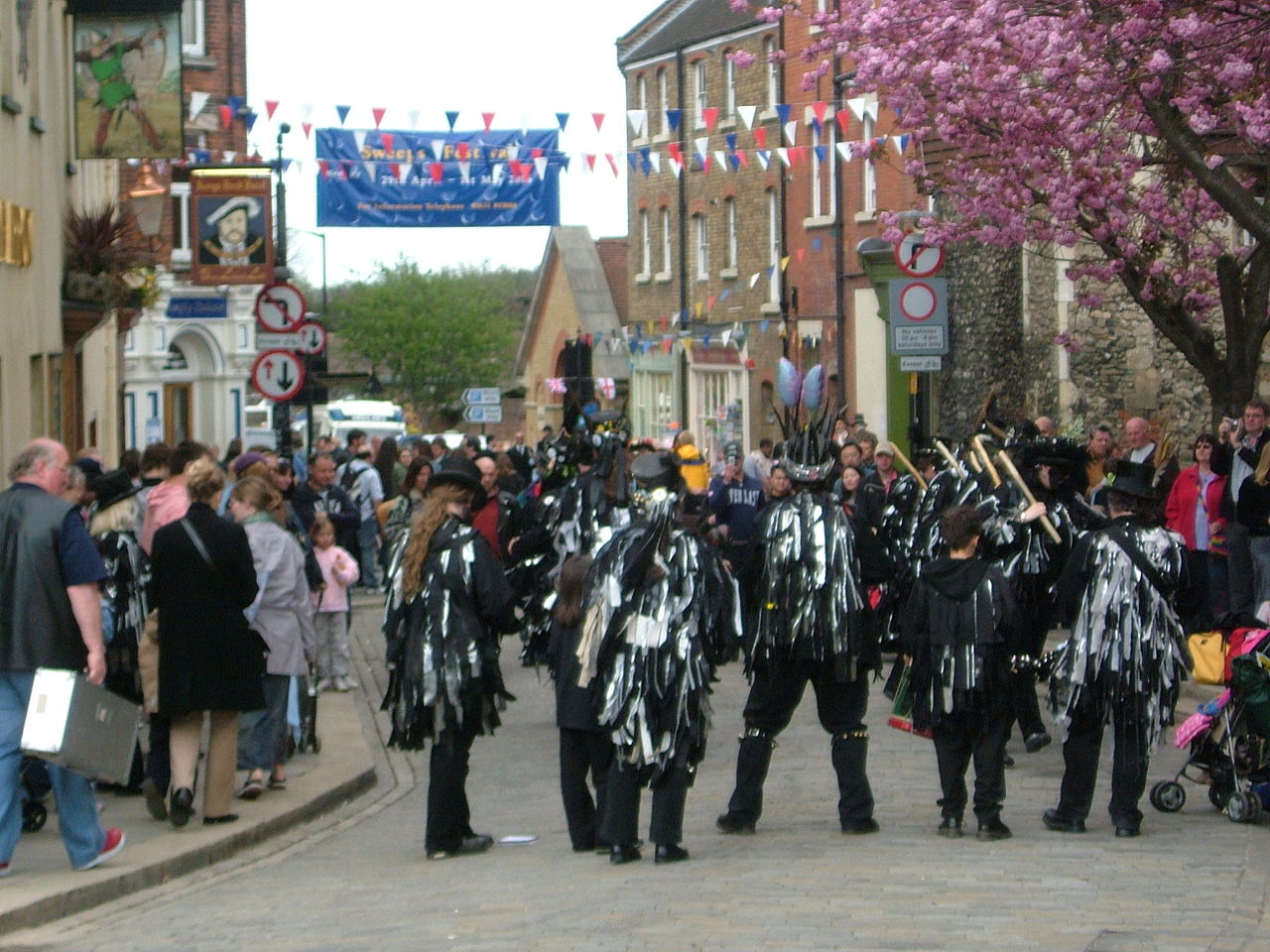
- Historic High Street and Guildhall — streets of timber-framed houses, civic buildings and small museums that reflect the town's mercantile past.
Transport and economy
Rochester is connected to nearby towns and London by road and rail. Rochester railway station provides commuter services on routes that link the Medway towns with the capital. The river crossing at Rochester Bridge has been a key transport link for centuries, and the local economy today mixes retail, heritage tourism and professional services.
Culture and notable facts
Rochester is strongly associated with the novelist Charles Dickens; many local streets and houses feature in his works and the town hosts an annual Dickens-themed festival and events that celebrate that legacy. Its compact historic centre, cathedral precincts and castle remain important for both community life and heritage tourism, making Rochester one of Kent's most visited historic towns.
Related articles
Author
AlegsaOnline.com Rochester, Kent Leandro Alegsa
URL: https://en.alegsaonline.com/art/83490