
Bahr el Gazel Region (Chad)
Bahr el Gazel is a semi‑arid region in central Chad with capital Moussoro, created in 2008 from part of Kanem. It comprises two departments and is characterised by seasonal wadis, pastoralism and development challenges.
Overview
Bahr el Gazel is one of the 23 administrative regions of Chad; it occupies a broad, mostly flat area in the central part of the country. The region's name refers to seasonal watercourses (bahr means "river" in Arabic) and reflects a landscape shaped by intermittent streams and wide plains. Bahr el Gazel serves as a transition zone between the Sahelian belt and the drier Saharan margins. For a list of Chad's regions see 23 regions of Chad.
Image gallery
3 Images

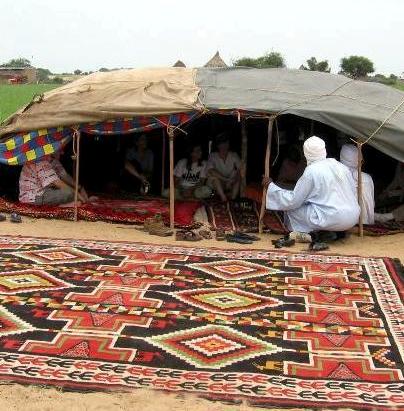
Geography and climate
The terrain is dominated by plains, shallow depressions and dry riverbeds that carry water during the brief rainy season. Rainfall is low and highly variable; temperatures are generally high for much of the year. Vegetation consists mainly of sparse grasses, shrubs and drought‑tolerant trees where soils and groundwater permit. These environmental conditions influence settlement patterns, land use and pastoral movements.
History and administration
The modern region of Bahr el Gazel was created in 2008 when the former Barh El Gazel Department was separated from the larger Kanem Region. Its administrative capital is the town of Moussoro, which functions as the main market, transport and public‑service centre for the surrounding countryside. The region is divided into two departments: Barh El Gazel Nord and Barh El Gazel Sud, each of which is further subdivided into subprefectures.
Economy and society
The local economy is based largely on extensive livestock herding, smallholder farming in more fertile or irrigated pockets, and trade centred on market towns. Communities include a mix of sedentary and mobile households; livelihoods often combine herding, seasonal agriculture and commerce. Social infrastructure such as schools, health clinics and roads is concentrated in towns and remains limited in remote areas.
Challenges and development
Bahr el Gazel faces common Sahelian challenges: water scarcity, land degradation, periodic droughts and pressure on grazing resources. Development priorities typically include improving water access, strengthening rural livelihoods, expanding basic services and building climate resilience. The region's strategic role as a crossroads between northern and central Chad also informs transport and security planning.
Notable facts
- The region takes its name from the seasonal channels that once supported wildlife and local grazing patterns.
- Moussoro is the administrative hub and principal market town for the region.
- Administrative reorganisation in 2008 created Bahr el Gazel as a separate region to improve local governance.
Tags
Related articles
Author
AlegsaOnline.com Bahr el Gazel Region (Chad) Leandro Alegsa
URL: https://en.alegsaonline.com/art/8329