
Rising Damp (British sitcom)
Rising Damp is a 1970s British sitcom about an old boarding house and its mismatched occupants, noted for its character-driven humour, created by Eric Chappell and led by Leonard Rossiter.
Rising Damp is a British television sitcom first broadcast in the 1970s. It was created and chiefly written by Eric Chappell and produced by Yorkshire Television for ITV. The programme ran for four series between 1974 and 1978, comprising twenty-eight half‑hour episodes, and later inspired a feature film released in 1980 (film adaptation).
Image gallery
2 Images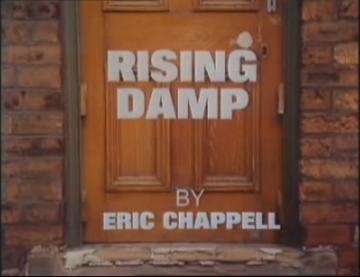
Premise and principal characters
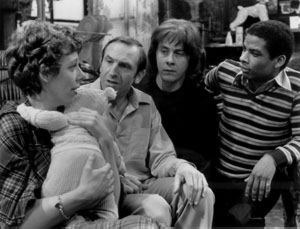
The action takes place in a dowdy, old boarding house run by the miserly landlord Rupert Rigsby, portrayed by Leonard Rossiter. The main ensemble includes a range of tenants whose differing backgrounds and ambitions generate much of the comedy: the earnest medical student Alan, the suave and educated Philip, and Ruth, a professional woman who becomes the focus of Rigsby’s romantic hopes. Performances by Richard Beckinsale, Don Warrington and Frances de la Tour helped define the show’s comic dynamics.
Style and themes
The series blends character-driven humour, farce and gentle social satire. Much of the comedy arises from Rigsby’s pompous prejudices, his romantic delusions and the collisions of class, race and aspiration among the house’s occupants. While rooted in sitcom conventions of the era, the show is remembered for sharply drawn characters and frequent one‑on‑one exchanges rather than broad slapstick.
Production and legacy
Originally produced for British commercial television, Rising Damp became one of the better‑known British comedies of its decade. It has continued to be shown in repeats and discussed in histories of television comedy. Modern viewers often note both the show’s strong writing and performances and the ways some attitudes reflected in the scripts appear dated today.
- Broadcast: 1974–1978 across four series.
- Episodes: 28, approximately 30 minutes each.
- Creator/Writer: Eric Chappell.
- Notable cast: Leonard Rossiter, Richard Beckinsale, Don Warrington, Frances de la Tour.
For those exploring British television history, Rising Damp is often cited as an example of 1970s sitcom craft: concise plotting, emphasis on recurring characters, and a mixture of situational humour with social observation. Its combination of memorable roles and quotable moments has kept it in the conversation about classic UK comedies.
Related articles
Author
AlegsaOnline.com Rising Damp (British sitcom) Leandro Alegsa
URL: https://en.alegsaonline.com/art/83051