
Richard Montgomery (1738–1775): Continental Army Officer
Irish-born soldier who served in the British army, became a Continental Army general, led the 1775 invasion of Canada, captured Montreal, and fell during the assault on Quebec.
Richard Montgomery (December 2, 1738 – December 31, 1775) was an Irish-born soldier who became an early general in the Continental Army during the American War for Independence. He is best known for leading American forces into Canada in 1775, taking Montreal, and dying while directing the attack on Quebec City later that year. His actions made him one of the first celebrated American casualties of the conflict; his name later became symbolic of patriotic sacrifice.
Image gallery
10 Images


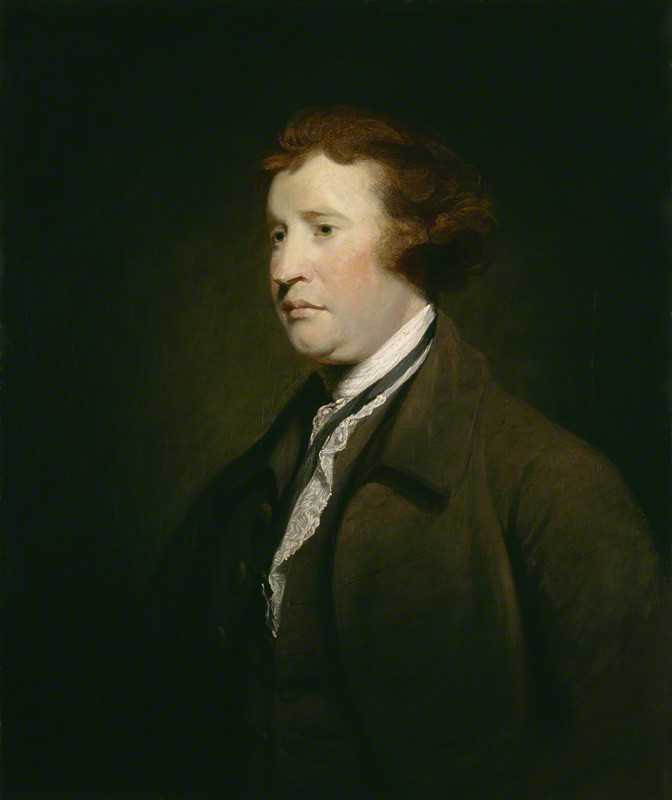
Early life and military service
Born in Ireland, Montgomery began his career as a professional soldier in the British army and saw active service in the mid-18th century. Like several other officers of his generation, he served in imperial campaigns before leaving British service and establishing himself in North America. He settled in the American colonies, where he became involved in local affairs and came to support colonial resistance to British policies as tensions grew in the 1770s.
Role in the American cause and the Canada campaign
When the Revolutionary crisis escalated, Montgomery was appointed a general in the Continental forces and entrusted with command of operations northward. In the autumn of 1775 he led a force that captured Montreal, a significant early success for the Patriot effort. He then advanced on Quebec City, coordinating with other expeditionary units in a campaign intended to bring the province into the rebellion.
Death at Quebec
On December 31, 1775, during an assault on Quebec, Montgomery was killed while leading his men. His death occurred before the campaign achieved its objectives, and the unsuccessful attack marked a turning point in the invasion of Canada. Reports from the period describe him as dying at the head of his troops, an image that contributed to his reputation as a heroic figure among American patriots.
Legacy and commemoration
Montgomery's reputation after his death grew quickly; contemporaries praised his character and courage, and public tributes followed in the months after the battle. He became a popular symbol of sacrifice for independence.
- Numerous American towns and counties were later named in his honor.
- His death was cited in contemporary speeches and memorials as an example of leadership and bravery.
Today Montgomery is remembered both for his early military experience and for his brief but consequential role in the opening campaigns of the revolution. For more on the wider conflict in which he served, see the American War for Independence.
Related articles
Author
AlegsaOnline.com Richard Montgomery (1738–1775): Continental Army Officer Leandro Alegsa
URL: https://en.alegsaonline.com/art/82705
Sources
- inside.fdu.edu : "Fairleigh Dickinson EDU"