
Ressons-le-Long — commune in Aisne, northern France
Ressons-le-Long is a small rural commune in the historic Picardie area of the Aisne department, known for agricultural landscapes, local heritage, and a quiet village community.
Overview
Ressons-le-Long is a small rural commune in the historic region of Picardie, located within the Aisne department. It lies in the north of France and forms part of the network of communes that characterise the French local government system. The village functions as a local centre for surrounding farms and hamlets, with communal facilities serving inhabitants and visiting residents.
Image gallery
2 Images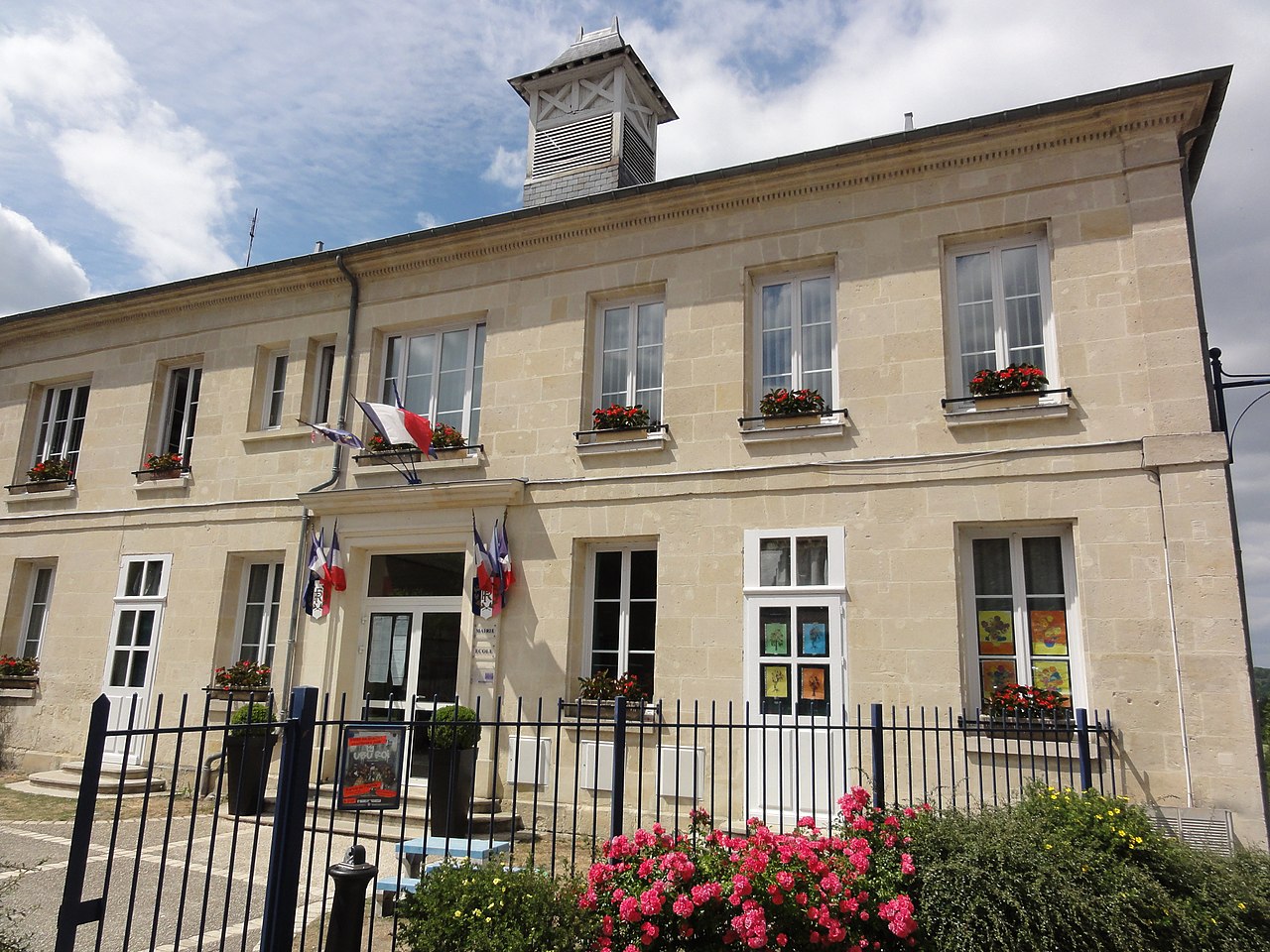

Geography and landscape
The countryside around Ressons-le-Long is typical of the Aisne lowlands: open arable fields, hedgerows, small woods and local drainage channels. The terrain offers broad views across cultivated parcels and seasonal changes in crops. The climate shows temperate, oceanic influences common in northern France, with moderate rainfall and distinct seasonal variation.
History and development
The settlement has roots extending back many centuries and developed as an agricultural parish community. As with many communes in the region, modern development reflects a mix of preserved rural buildings and postwar reconstruction; the locality bears memorials and traces of 20th-century history. Local archives and municipal records provide more detailed accounts of historical changes.
Administration and population
The commune is administered by a municipal council and a mayor under the French communal system and is associated with wider intercommunal structures and departmental services. Population is modest relative to urban centres, with residents living in the village core and scattered dwellings. For official departmental information consult the relevant department pages and regional resources.
Economy, landmarks and local life
Economic activity is dominated by agriculture, complemented by small local businesses and services that support daily life. Typical landmarks include a parish church, a communal hall and a war memorial; local fêtes, market days and communal gatherings mark the cultural calendar. Heritage features and traditional architecture can be seen in the village centre and surrounding farmsteads.
Transport and links
Access relies mainly on departmental roads and regional connections; residents commonly travel to nearby towns for higher-level services, education and healthcare. Information and practical links about the area and its place within northern France can be found through regional guides, local administration pages and tourism resources.
- Points of interest: village church, war memorial, communal spaces.
- Local economy: mixed arable farming, small enterprises, rural services.
- Further information: local commune entries and regional overviews such as the commune page or general Picardie references.
Related articles
Author
AlegsaOnline.com Ressons-le-Long — commune in Aisne, northern France Leandro Alegsa
URL: https://en.alegsaonline.com/art/82316