
In Search of Lost Time
A comprehensive overview of Marcel Proust's seven‑part novel, its structure, themes of memory and time, publication history, narrative style, and its cultural influence.
In Search of Lost Time is the commonly used English title for Marcel Proust's vast novel originally published in French as À la recherche du temps perdu. First rendered in English as Remembrance of Things Past, the work appears in seven volumes issued between 1913 and 1927. It follows a reflective narrator through recollections of childhood, social life, love, jealousy and the work of art, using memory as the main means to understand the passage of time.
Image gallery
10 Images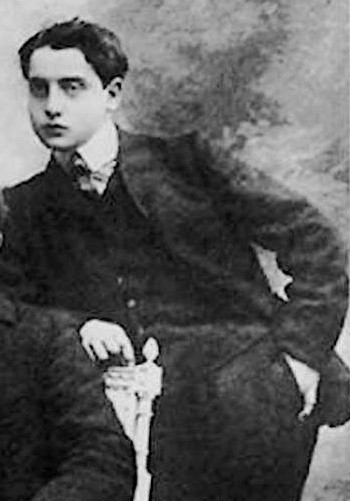


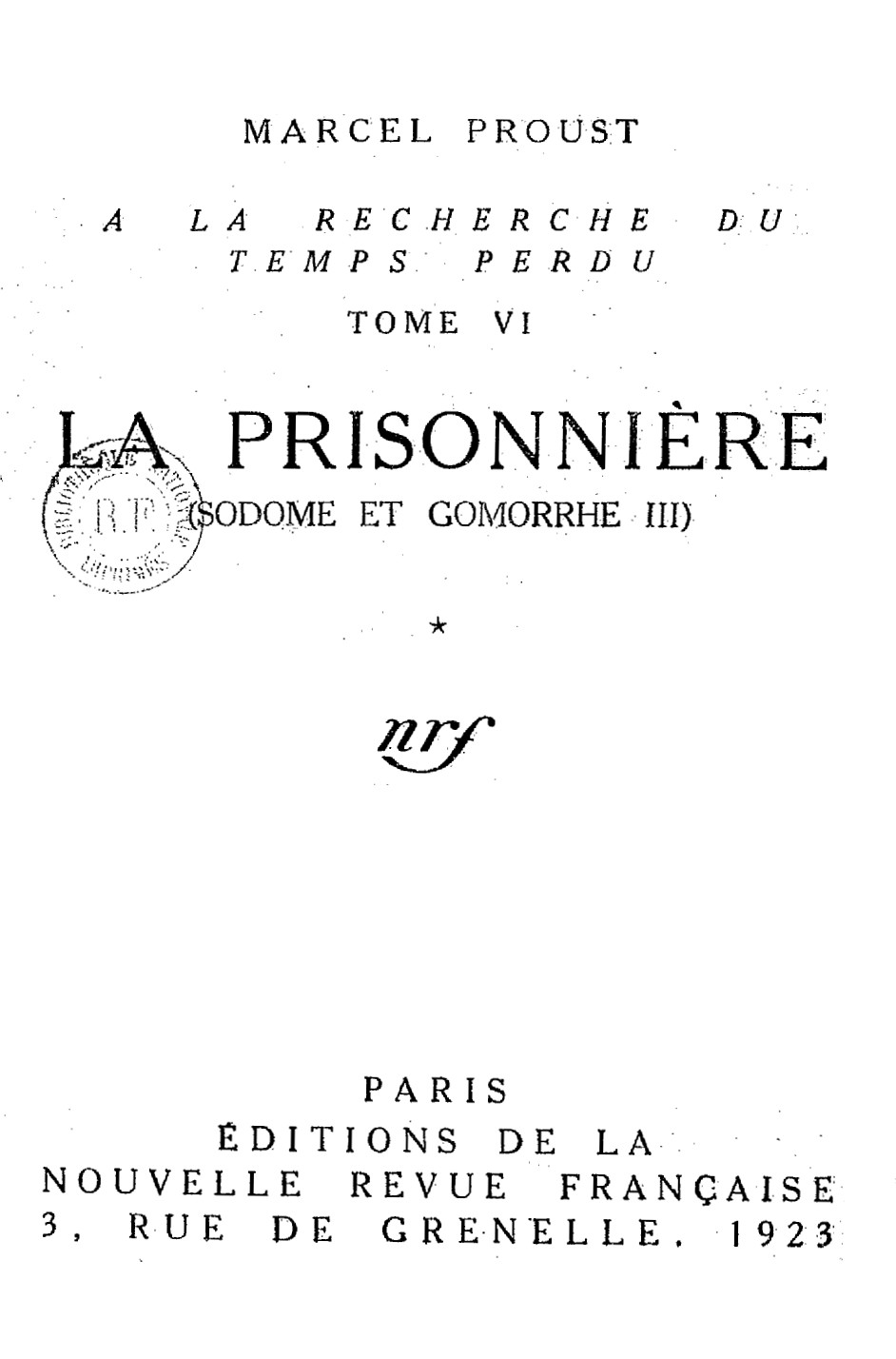

Structure and principal parts
The novel is published in seven discrete books that together form a continuous exploration of experience and recollection. Each volume concentrates on different episodes, characters and stages in the narrator's life while contributing to a single, developing perspective.
- Swann's Way (Du côté de chez Swann)
- Within a Budding Grove (À l'ombre des jeunes filles en fleurs)
- The Guermantes Way (Le Côté de Guermantes)
- Sodom and Gomorrah (Sodome et Gomorrhe)
- The Prisoner (La Prisonnière)
- The Fugitive / Albertine Gone (La Fugitive / Albertine disparue)
- Time Regained (Le Temps retrouvé)
Style, themes and techniques
Proust is noted for long, sinuous sentences, intense psychological observation and the frequent use of involuntary memory—moments when a sensory trigger suddenly unlocks a past experience. The famous madeleine episode is emblematic: a taste that returns a childhood scene to the narrator and inaugurates an inquiry into how art and memory recover lost time. Major themes include the nature of memory and time, social change and snobbery, love and jealousy, art and the role of the artist.
History and publication
Marcel Proust worked on the novel over many years. Initial volumes appeared in his lifetime, while later parts were published after his death; together they span pre‑ and post‑Belle Époque French society. English translations have evolved: early renderings used the title Remembrance of Things Past, and later translators adopted the more literal In Search of Lost Time. Readers and scholars continue to reassess phrasing and fidelity in translation.
Reception, influence and notable facts
The work is a cornerstone of modernist literature and has profoundly influenced 20th‑century fiction, narrative psychology and studies of memory. It is frequently read in university courses and admired for its depth rather than for plot momentum. Although the narrator resembles the author, the book resists simple autobiography and is better understood as a fictionalized meditation on experience. For more on Proust and the original French text see Marcel Proust.
Why it matters
Readers turn to this novel for its philosophical reach, detailed social portraiture and sustained attention to consciousness. Its experiments with time and recall continue to shape how writers depict inner life and how readers think about the persistence and recovery of the past.
Related articles
Author
AlegsaOnline.com In Search of Lost Time Leandro Alegsa
URL: https://en.alegsaonline.com/art/82063