
Res Gestae Divi Augusti: the self-published record of Augustus' achievements
A summary and analysis of the Res Gestae Divi Augusti, the funerary inscription in which the first Roman emperor presented his life, offices, expenditures and accomplishments to posterity.
Overview
The Res Gestae Divi Augusti (literally the "Deeds of the Divine Augustus") is a first‑person commemorative inscription in which the first Roman emperor outlined his offices, public works, financial gifts and military achievements. Augustus prepared the text near the end of his life and arranged for it to be displayed publicly. The document presents an authorized summary of his career and served as a centerpiece of his official memory.
This inscription is closely associated with the figure of Augustus and was originally engraved on bronze pillars placed before his tomb. The Latin title is commonly referenced in scholarship as Res Gestae.
Image gallery
9 Images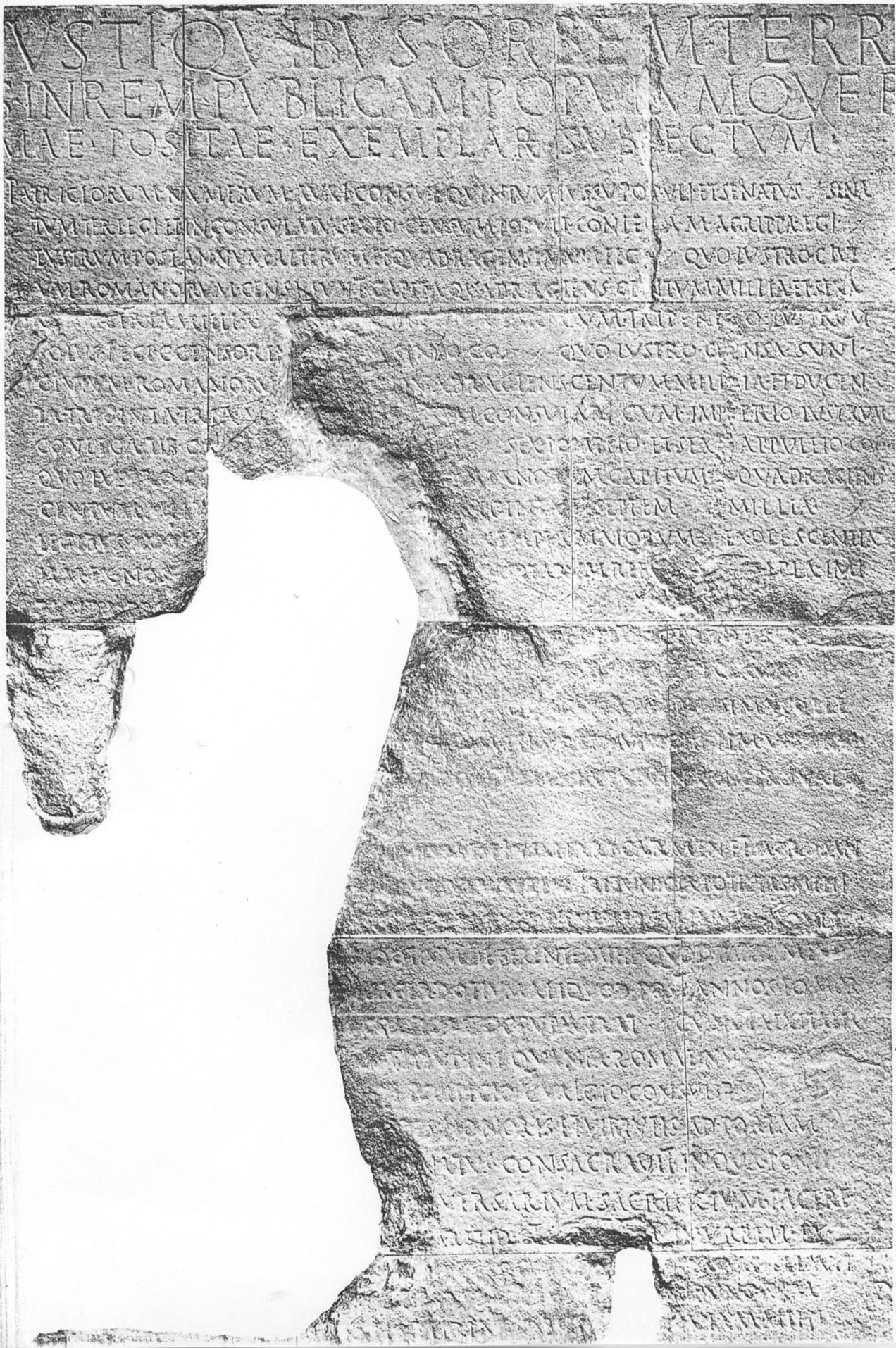


Composition and main contents
Written in a concise autobiographical style, the text is organized as a sequence of claims about offices held, honours received and public benefactions. Major themes include:
- magisterial and civic offices, and how they were obtained;
- military successes and the pacification of provinces;
- monetary contributions to the city of Rome and to individual communities;
- public building, grain distributions and other benefactions to citizens;
- a concluding funerary statement intended to preserve the emperor's legacy.
The text repeatedly frames Augustus' role as restorative — claiming the revival of traditional institutions and the consent of the people and Senate while setting out the legal and material bases of his authority.
Transmission and surviving copies
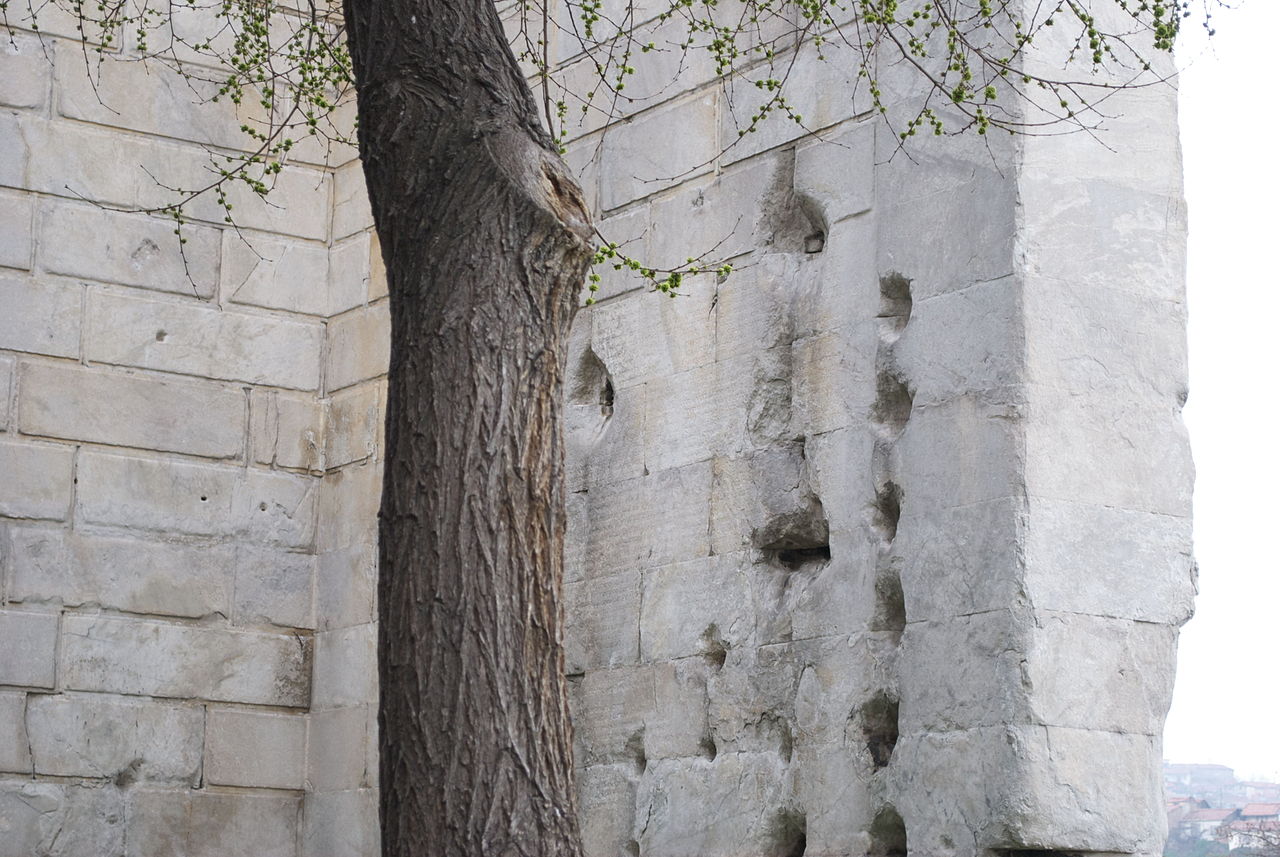
The original bronze display has not survived, but the inscription was copied widely in the Roman world. Most notable is the nearly complete bilingual copy carved on the wall of the temple of Augustus at Ancyra (modern Ankara) with the Latin text accompanied by a Greek translation. Other stone copies and fragments have been discovered in various provinces of the Roman Empire, a pattern that reflects official dissemination of the emperor's authorized narrative.
Reliability, omissions and purpose
As a primary source the Res Gestae is indispensable for reconstructing official dates, titles and broad policy, but it must be read as a deliberate act of self‑presentation. The inscription emphasizes beneficence, legal forms and public support while omitting or downplaying actions that might cast Augustus in a harsher light. For example, controversial episodes such as political proscriptions and the personal rivalries of the late Republic are treated tersely or avoided; rivals are sometimes referred to in impersonal terms rather than named directly. Scholars therefore use the Res Gestae alongside other literary and epigraphic sources to form a balanced view.
Historical importance and influence
The Res Gestae played a key role in shaping the memory of Augustus in antiquity and remains a central source for modern historians. It illustrates how an imperial program combined military authority, civic benefaction and legal legitimacy. Because copies were placed in provincial centers, the text also provides evidence about Roman self‑representation beyond Italy and offers material for studies of provincial reception, Latin‑Greek bilingualism and official propaganda.
Notable facts and further reading
Important points to remember include: the text was revised during Augustus' lifetime; the best preserved copy survives at Ancyra; and the inscription is as valuable for what it omits as for what it records. For introductions and translations consult standard editions and commentaries. For archaeological context see studies of the mausoleum and the original bronze display, as well as reports on inscriptions recovered elsewhere, including references to the bronze pillars and the funerary setting.
Relevant anchors in scholarship and inscription catalogues are often cited alongside the text: the Latin original (Res Gestae), the person of Augustus, the bronze pillars of display (bronze pillars), the funerary context such as his mausoleum, the spread through the Roman Empire, the bilingual presentation in Greek, the important monument at Ancyra (modern Turkey), and the deliberate omissions of politically sensitive matters like the proscriptions.
Questions and answers
Q: What is the Res Gestae Divi Augusti?
A: The Res Gestae Divi Augusti is a funerary inscription detailing the life and achievements of the first Roman Emperor, Augustus.
Q: Where was the original inscription placed?
A: The original inscription was engraved upon a pair of bronze pillars which were placed in front of Augustus' mausoleum.
Q: Where were various copies of the text found?
A: Various copies of the text were found throughout the Roman Empire, the most notable being a nearly full copy, written in both Greek and Latin, found preserved on a temple dedicated to Augustus in Ankara, Turkey.
Q: When was the final version of the Res Gestae usually dated to?
A: The final version which is usually dated to the same year as Augustus' death in 14 AD.
Q: Is the Res Gestae fully accurate as a source?
A: No, the Res Gestae is not fully accurate. Whilst not lying, he does not mention some things such as his proscriptions of his enemies. He refers to his rival Marc Antony as 'a faction'.
Q: What does the inscription say about the money Augustus spent?
A: The inscription says much about the money he spent on the people, Rome and the empire.
Q: How does Augustus refer to his titles?
A: Augustus only gains his titles because of the universal support from the people and, most importantly, the Senate.
Related articles
Author
AlegsaOnline.com Res Gestae Divi Augusti: the self-published record of Augustus' achievements Leandro Alegsa
URL: https://en.alegsaonline.com/art/82265