
Recife — capital of Pernambuco, Brazil
Recife is a major coastal city in northeastern Brazil, capital of Pernambuco. Known for waterways, historic districts, vibrant cultural traditions and beaches, it is an important regional port and cultural center.
Recife is the capital city of the Brazilian state of Pernambuco. Located on the Atlantic coast, the municipality covers roughly 218 km² and is home to about 1.4 million residents in the city proper. Its urban area mixes riverine islands, mangroves and sandy beaches, so waterways, bridges and canals are a defining feature of the local landscape.

Image gallery
10 Images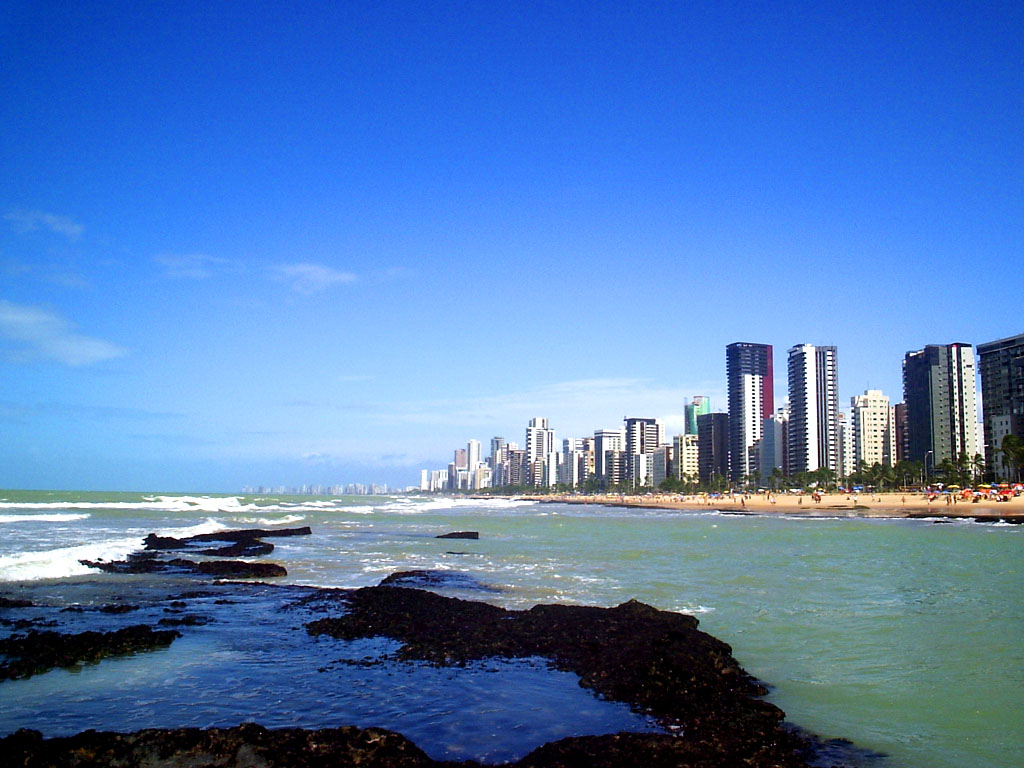


Geography and urban form
The city stands at the meeting of several rivers, including the Capibaribe and Beberibe, which flow into the Atlantic. These waterways created a network of islands and peninsulas connected by bridges and causeways, giving parts of Recife a famously watery character sometimes compared to other canal cities. The coastline includes urban beaches such as Boa Viagem, which are popular for recreation and tourism.
History and development
Recife grew from a colonial settlement in the 16th century and became a key port for the sugarcane economy. In the 17th century the area experienced a period of Dutch presence that influenced local architecture and planning. Over time Recife developed a dense historic center, with the neighborhood known as Recife Antigo preserving many colonial and republican-era buildings.
Culture, economy and society
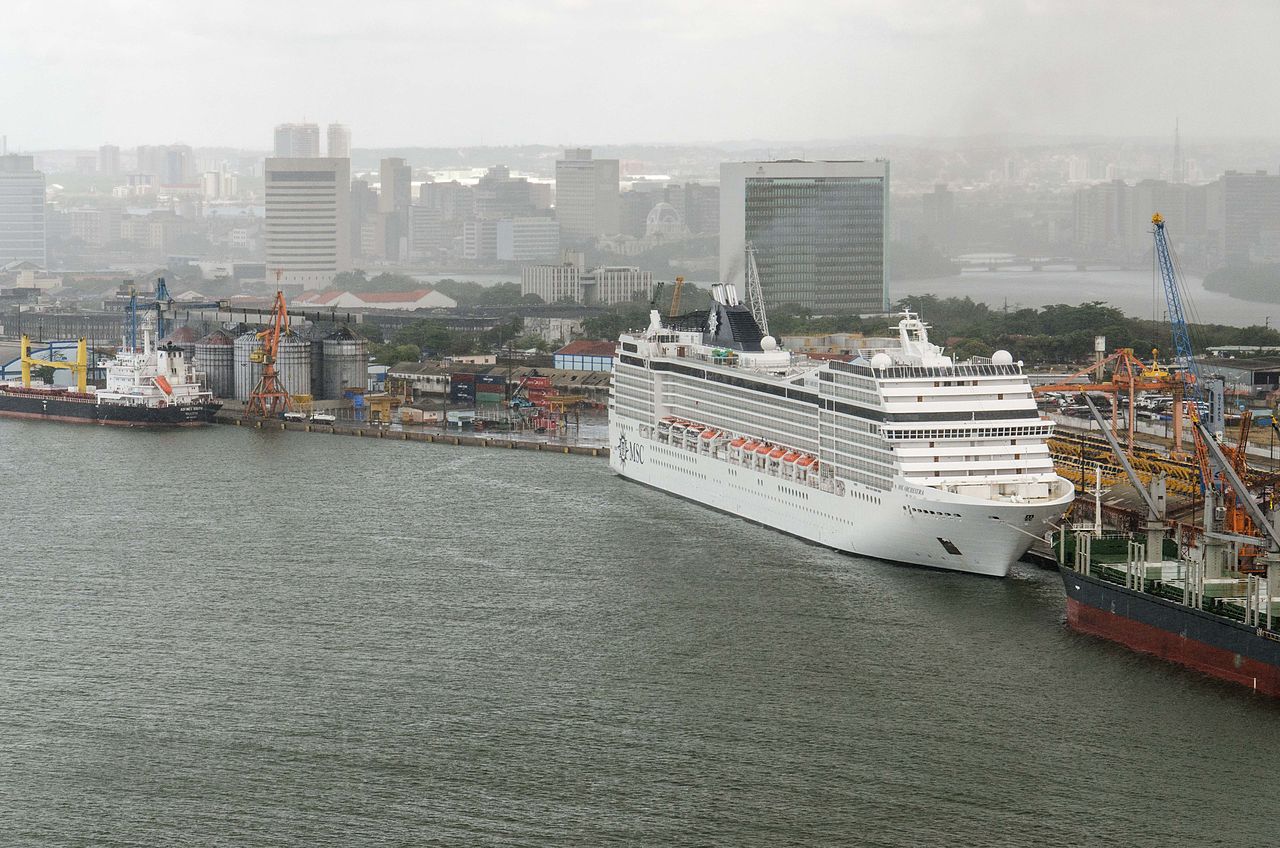
Recife is an important regional center for culture, education and commerce. It hosts lively musical and dance traditions such as frevo and maracatu, and its Carnival celebrations are among the most famous in northeastern Brazil. The city supports universities, museums and cultural institutions, and functions as a major port and commercial hub for Pernambuco. Urban contrasts are visible across neighborhoods, with modern business districts alongside older, working-class areas.

Transport, challenges and attractions
Transport links include an international airport that connects the region to other Brazilian cities and international destinations, as well as road and rail links serving the metropolitan area. Like many large coastal cities, Recife faces challenges such as coastal erosion, flooding in low-lying zones, and social inequality. Notable attractions include historic Recife Antigo, the cultural events of Carnival, nearby colonial Olinda, and several museums and strong culinary traditions centered on northeastern Brazilian cuisine.
Quick facts and notable features
- Capital of the state of Pernambuco with a substantial metropolitan influence.
- Distinctive network of rivers, islands and bridges shaping the urban layout.
- Strong cultural identity: music, dance and large Carnival celebrations.
- Historic districts, maritime commerce and growing technology and education sectors.
Related articles
Author
AlegsaOnline.com Recife — capital of Pernambuco, Brazil Leandro Alegsa
URL: https://en.alegsaonline.com/art/81558