
Ragged Island (Bahamas)
Ragged Island is a small, low‑lying island and district in the southern Bahamas, noted for its tiny population, coral geology, vulnerability to hurricanes, and subsistence fishing and salt‑related history.
Ragged Island is a small island and administrative district in the southern Bahamas, part of the chain often called the Out Islands or Family Islands. It is sparsely populated and remote compared with the larger population centres of the archipelago. Its landscape is generally flat, formed from limestone and coral, and it is surrounded by shallow banks, bays and reef systems that support local fisheries.
Image gallery
1 Image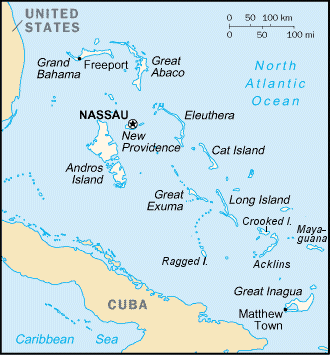
Geography and natural features
The island’s coastlines include mangrove stands, tidal flats and seagrass beds that provide habitat for conch, lobster and juvenile fish. Coral reefs and sand flats lie offshore, making the surrounding waters biologically productive but also shallow in places, which affects boat access. Being low‑lying, Ragged Island is exposed to storm surge and erosion during strong weather events.
History and development
Human use of Ragged Island has centred on small-scale fishing, conch and lobster harvesting, and historically salt collection in natural ponds and pans. Settlement levels have always been modest; for example, the recorded population in 2000 was only 72 people. The community’s size has fluctuated with economic opportunity and the impacts of storms.
Like many islands in the region, Ragged Island has been affected by major hurricanes. It suffered severe damage from storms including Hurricane Donna, and such events have periodically reduced infrastructure and prompted out-migration.
Economy, transport and conservation
Economic activity is largely subsistence and small‑scale commercial fishing, with occasional work in boat maintenance or service industries tied to inter-island transport. Access is typically by private boat and occasional scheduled or charter flights to nearby hubs. Conservation interest focuses on protecting reef and mangrove habitats important for fisheries and shoreline protection.
Notable facts and present situation
- Ragged Island is one of the most remote inhabited parts of the Bahamas and has one of the nation’s smallest district populations.
- Its low elevation makes it particularly vulnerable to hurricanes and sea‑level related erosion.
- Population and services have varied over time, and many who grew up on the island have relocated to larger islands for education and work.
Visitors interested in remote island life, bird and marine habitats, or quiet fishing communities may find Ragged Island an example of the challenges and resilience of small Caribbean islands.
Related articles
Author
AlegsaOnline.com Ragged Island (Bahamas) Leandro Alegsa
URL: https://en.alegsaonline.com/art/80839
Sources
- bahamas.co.uk : "About Ragged Island | The Islands of The Bahamas"
- bahamas.gov.bs : "RAGGED ISLAND - Government - Details"
- tools.wmflabs.org : 22°13′N 75°44′W / 22.217°N 75.733°W / 22.217; -75.733