
Bacardi: History, Production, Brands, and Cultural Impact
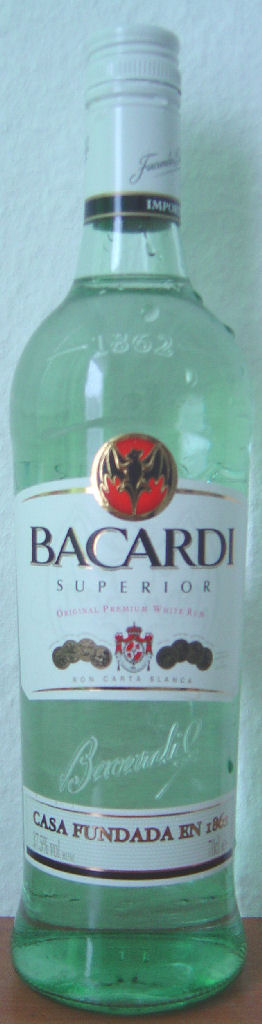
Bacardi, founded in Cuba in 1862 by Facundo Bacardí, became a global rum company through technical innovations, family ownership, and a portfolio of light and aged rums used in classic cocktails and global markets.
Overview
Bacardi is a privately held spirits company best known for its rums. Founded in Santiago de Cuba on February 4, 1862, by Facundo Bacardí Massó, the company grew from a small family distillery into an international producer with rums that are widely used in both cocktails and as sipping spirits. The brand is closely associated with lighter, blended rums designed for mixing, while also offering aged expressions intended for neat drinking.
Image gallery
10 Images


Early innovations and production
Facundo Bacardí introduced refinements that shaped the house style: filtration to remove congeners and oak ageing to mellow and add complexity. Over time Bacardi refined its approach to fermentation, distillation, filtration and blending to produce consistent, clean-tasting spirits. Many modern Bacardi products emphasize a neutral, light base spirit suitable for cocktails, while selected expressions undergo longer ageing in oak to develop color and richer flavors.
Typical production steps
- Selection of raw materials (molasses or cane derivatives).
- Fermentation to develop alcohol and base flavor precursors.
- Distillation to concentrate alcohol and shape the spirit’s profile.
- Filtration to reduce harsh congeners and control clarity.
- Ageing in oak barrels for darker or premium expressions.
- Blending to achieve a consistent house style across batches.
History and global development
Family ownership and international expansion characterized Bacardi’s growth. Political changes in mid-20th century Cuba prompted the company to move much of its production and corporate functions outside the island; thereafter it developed a broad manufacturing and distribution network in the Caribbean and elsewhere. The company retained its family leadership and continued to market rums under the Bacardi name worldwide.
Brands, cocktails and cultural impact
Bacardi rums are a staple in classic cocktails such as the Mojito, Daiquiri and Cuba Libre, and the brand has become synonymous with tropical and bar culture. Its bat logo, inspired by bats that were associated with the original distillery and viewed as a symbol of good fortune, remains a central element of the brand identity. Bacardi’s portfolio ranges from white mixing rums to darker, aged offerings marketed for sipping or special occasions.
Reputation and modern focus
Today the Bacardi name evokes a blend of technical innovation, marketing, and cocktail heritage. The company emphasizes consistent quality, product diversity, and global reach. Like many major spirits producers, it also faces contemporary issues such as evolving consumer tastes, regulatory environments, and attention to sustainability and supply-chain practices.
Related articles
Author
AlegsaOnline.com Bacardi: History, Production, Brands, and Cultural Impact Leandro Alegsa
URL: https://en.alegsaonline.com/art/8066